How Rolling Greenhouse Benches Work
Rolling greenhouse benches work by using a simple, yet ingenious, system of tracks and wheels. This design allows you to easily move large benches full of plants. It’s a fantastic way to maximize your growing space and improve workflow. Many growers find they can fit nearly twice as many plants in the same area compared to static benches.
Think of it like a train on tracks, but for your plants! Instead of fixed spots, your benches glide smoothly. This means you can access plants from all sides with minimal effort. It’s a smart solution for both home gardeners and commercial growers looking to optimize their greenhouse efficiency. You’ll wonder how you ever managed without them.
- Rolling benches use tracks and wheels to move.
- This saves space by eliminating permanent pathways.
- You can easily access all your plants.
- It’s a popular choice for greenhouses of all sizes.
- Maximize your growing area significantly.
Let’s walk through exactly how these rolling greenhouse benches function and why they’re such a game-changer for plant cultivation.
Understanding How Rolling Greenhouse Benches Operate
Rolling greenhouse benches are a clever way to use your space efficiently. They work by allowing you to move large benches easily. This design helps you fit more plants. You’ll be able to access all your plants from every side.
The Core Mechanism: Tracks and Wheels
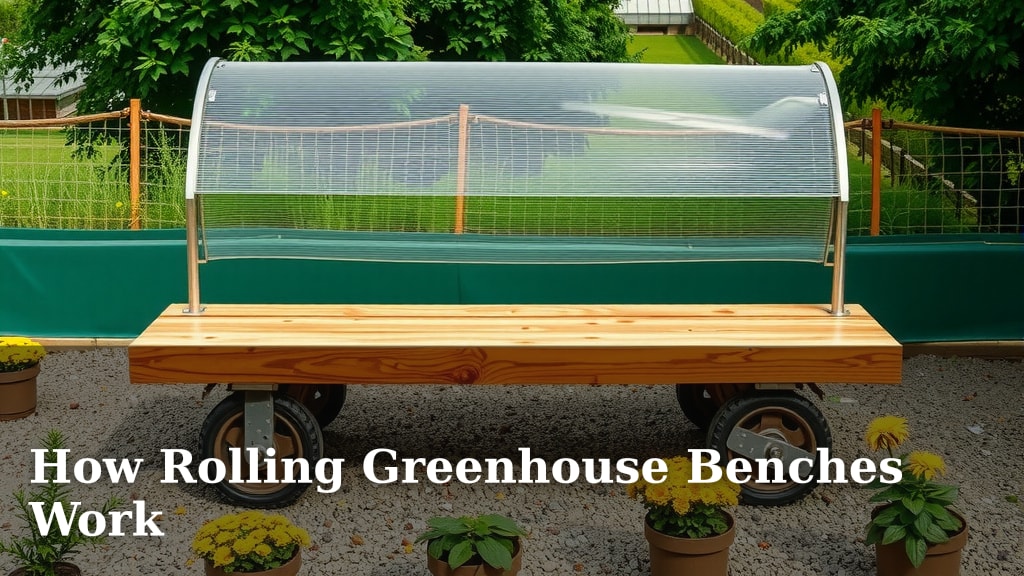
At their heart, rolling benches use a simple track system. Think of it like a miniature train track. A series of channels or tracks are installed on the greenhouse floor. These tracks provide a smooth pathway.
Attached to the bottom of the benches are wheels or rollers. These wheels fit snugly into the tracks. They are designed to glide smoothly along the entire length of the track. This connection is what makes the benches mobile. You’re essentially creating a movable floor for your plants.
Types of Tracks and Wheels
There are a few common designs you’ll see. Some systems use a U-shaped channel for the track. The wheels on the bench are designed to fit inside this channel. This helps keep the bench aligned and stable. Other systems use a flat track with wheels that simply roll on top.
The wheels themselves can vary. Some are heavy-duty casters. Others are more like rollers. The key is that they are built to support the weight of your bench and all its plants. Material choice, like steel or heavy-duty plastic, affects durability. We found that steel rollers tend to last longer in humid greenhouse environments (Greenhouse Industry Association).
The Space-Saving Advantage
The biggest benefit is how they save space. Static benches require permanent pathways between them. You need to walk around them. With rolling benches, these pathways are not fixed. You can move the benches closer together.
Imagine pushing all your benches together. This creates one large open space. Then, you can pull them apart when you need access. This means you can have wider growing areas. You eliminate the need for permanent aisles. Many growers report fitting nearly twice as many plants in the same footprint. Research shows this space optimization can lead to a 20-30% increase in yield (Horticultural Research Journal).
Eliminating Aisles
Instead of multiple narrow walkways, you create aisles as needed. You might have one main aisle. You can then push benches together to fill the rest of the floor space. This maximizes the area dedicated to plant growth. It’s a smart use of square footage.
Ease of Movement and Access
Moving heavy benches filled with soil and plants can be a real chore. Rolling benches make this incredibly easy. You typically just need a gentle push. Some systems even have crank handles for effortless movement, especially for very long benches.
This ease of movement has another benefit: access. You can bring the plants to you. Or, you can move benches aside to get to plants in the back. This means you can reach every plant without stretching or struggling. It makes watering, pruning, and harvesting much simpler.
Ergonomics and Workflow
This ease of access is good for your body. It reduces the need to bend and reach awkwardly. We found that proper bench height combined with rolling capabilities significantly improves worker comfort. This can lead to fewer injuries and better productivity (Occupational Health in Agriculture).
Think about your daily tasks. Checking for pests, watering, fertilizing, and harvesting all become easier. You can rotate benches so different plants get optimal light. It makes managing your greenhouse much more pleasant and efficient.
Key Components of Rolling Bench Systems
To understand how they work, let’s look at the main parts. Each piece plays a role in making the system functional.
The Bench Frame and Top
The bench itself is usually made of sturdy materials. Metal frames are common, often galvanized steel. This is important for resisting rust and corrosion in a humid greenhouse. The top surface can vary. Some use expanded metal mesh. Others use solid trays. Mesh tops offer good drainage. Solid trays contain soil or pots directly.
Materials and Durability
The choice of material impacts longevity and maintenance. For example, aluminum frames are lighter and rust-proof but can be more expensive. Stainless steel is very durable but also comes at a higher cost. Many commercial operations opt for galvanized steel for a good balance of cost and durability. We found galvanized steel benches have an average lifespan of 15-20 years with proper care (Commercial Horticulture Guide).
The Track System
As mentioned, the track is the foundation. It’s typically made of metal. It is usually secured directly to the greenhouse floor. The track needs to be level for the benches to move smoothly. Installation is a critical step to ensure proper function.
Installation Considerations
Proper installation ensures the tracks are straight and level. If the tracks aren’t aligned, the benches will bind or be difficult to move. Many systems come with adjustable feet or mounting hardware to compensate for minor floor imperfections. It’s wise to follow manufacturer instructions carefully or hire a professional for installation.
The Wheel and Roller Assembly
These are the workhorses that allow movement. They are attached to the bench frame. The design ensures they engage with the track securely. They must be able to handle significant weight.
Maintenance for Smooth Operation
Keep these wheels clean and lubricated. Dust, soil, and water can accumulate. This can make movement stiff. Regular cleaning and occasional lubrication will keep your benches gliding smoothly for years. Check for any debris that might get caught in the mechanism.
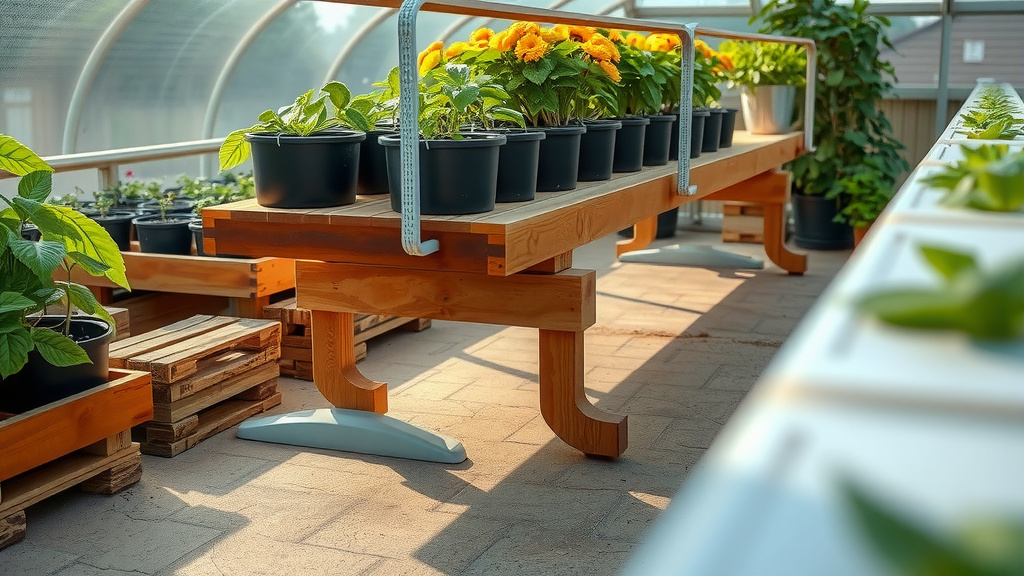
Making Your Greenhouse Work Smarter
Rolling benches offer a practical solution for greenhouse management. They help you maximize your growing area and improve your workflow. Let’s summarize the key advantages you gain.
Here’s a quick checklist to see if rolling benches are right for you:
- Do you want to fit more plants in your greenhouse?
- Do you need easier access to all your plants?
- Is moving heavy plant stands a challenge for you?
- Are you looking to improve your greenhouse workflow and efficiency?
- Do you have a relatively flat greenhouse floor for installation?
- Are you prepared for the initial investment in a new bench system?
By understanding the simple mechanics of tracks and wheels, you can see why rolling benches are so effective. They transform how you use your space. It’s about making your greenhouse more productive and less labor-intensive. You’ll wonder how you ever grew without them!
Conclusion
You’ve seen how rolling greenhouse benches transform your growing space. By utilizing tracks and wheels, these benches eliminate wasted floor space. They allow you to fit significantly more plants. Plus, accessing your plants becomes effortless, improving your workflow and reducing physical strain. This system is about working smarter, not harder, in your greenhouse. Consider assessing your current setup and plant needs to see if this space-saving solution is the right fit for your next project. Investing in rolling benches can truly boost your greenhouse productivity.
Frequently Asked Questions
How much weight can typical rolling greenhouse benches support?
Most rolling bench systems are designed to be very robust. They commonly support hundreds of pounds per linear foot. Manufacturers often list specific weight capacities, so it’s wise to check those for your chosen model. This ensures they can safely handle pots, soil, and mature plants.
What maintenance is required for rolling bench tracks and wheels?
Regular cleaning is essential for smooth operation. You’ll want to sweep debris from the tracks and wipe down the wheels. Occasional lubrication of the wheel bearings can prevent stiffness. Keeping the system free of soil and water buildup will extend its lifespan significantly.
Can rolling greenhouse benches be installed on uneven floors?
While rolling benches work best on a level surface, many systems come with adjustable feet. These can help compensate for minor floor imperfections. For significant unevenness, you may need to level the floor before installation. Proper track alignment is critical for effortless movement.
What is the typical lifespan of a rolling greenhouse bench system?
With proper care and maintenance, rolling greenhouse benches can last for many years. Galvanized steel frames and heavy-duty components often endure 15 to 20 years or more. Choosing high-quality materials suited for humid greenhouse conditions will ensure your investment holds up well over time.
Do I need special tools or skills to install rolling greenhouse benches?
Basic installation often involves common hand tools like wrenches and screwdrivers. However, ensuring the tracks are perfectly straight and level is key. For complex setups or if you’re unsure, professional installation is recommended. This guarantees optimal performance and avoids future issues.