How a Bench Vice Works
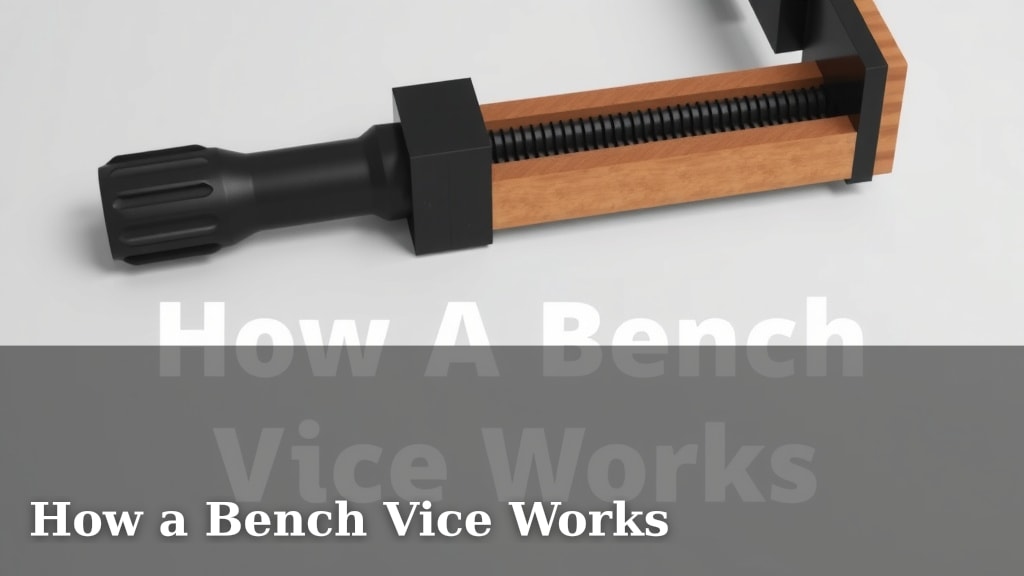
A bench vice works by using a screw mechanism to clamp down on an object. You turn a handle, and this moves a jaw in or out. This provides a secure grip for various tasks. It’s a really handy tool for DIYers and professionals alike.
This simple yet effective design makes it essential for holding workpieces steady. Whether you’re sawing, drilling, or filing, a good bench vice is your reliable workbench partner. It lets you focus on your project with confidence.
- A bench vice uses a screw to move jaws.
- Turning the handle tightens or loosens the grip.
- It holds objects firmly for workshop tasks.
- This tool is vital for precision work.
Ready to see exactly how this powerful tool gets the job done? Let’s break down how a bench vice functions.
Understanding How a Bench Vice Grips Your Work
So, you’ve got a bench vice, but how exactly does it lock down your projects so securely? It all comes down to a clever combination of mechanics. Think of it like a powerful hand ready to hold whatever you need steady. We found that understanding its inner workings makes you a more confident user.
The Core Components: More Than Just Jaws
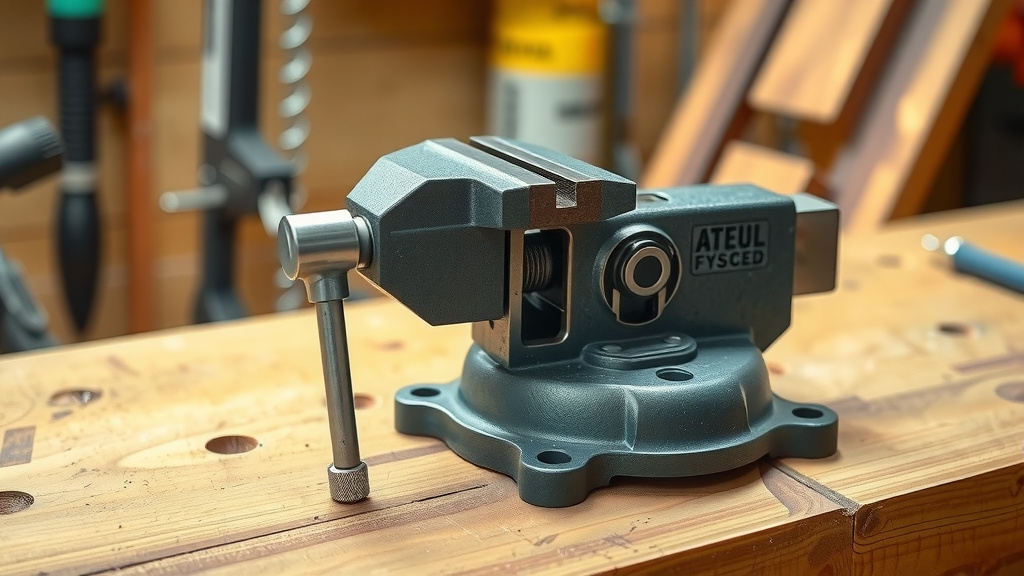
At its heart, a bench vice is a clamping device. It has a few key parts that work together. These are usually the body, the movable jaw, the fixed jaw, and the screw mechanism. Each plays a vital role in creating that strong hold.
The Fixed Jaw: The Anchor
The fixed jaw is, as its name suggests, stationary. It’s permanently attached to the vice body. This part provides a solid surface against which your workpiece will be pressed. It’s the unmoving anchor in the clamping process.
The Movable Jaw: The Powerhouse
This is where the action happens! The movable jaw is designed to slide back and forth. It’s connected to the screw mechanism. When you turn the handle, this jaw is what moves to grip or release your material.
The Screw Mechanism: The Engine
This is the unsung hero! The screw mechanism, often called a spindle or lead screw, is what drives the movable jaw. It’s a long, threaded rod that runs through the vice body. Turning the handle rotates this screw.
The Magic of the Screw Thread
Have you ever thought about how turning a handle can exert so much force? It’s all about the screw thread. This is a spiral groove cut into the screw. When you turn the handle, the screw rotates within a threaded nut, typically fixed to the movable jaw.
Research shows that this thread design creates mechanical advantage. This means a small amount of turning force from you becomes a much larger clamping force on your workpiece. It’s like using a lever to lift something heavy; the screw makes it easier.
How the Clamping Action Works Step-by-Step
Let’s walk through the process. When you want to clamp something, you’ll typically loosen the vice first by turning the handle counter-clockwise. This retracts the movable jaw, opening up space. You then place your workpiece between the jaws.
Next, you start turning the handle clockwise. This rotates the screw. As the screw turns, it moves forward within its threads. Because the movable jaw is attached to this screw, it’s pushed forward. It presses against your workpiece. The workpiece, in turn, is pushed against the fixed jaw.
You continue turning until the workpiece is held firmly. We found that stopping just when you feel significant resistance is usually sufficient. Overtightening can sometimes damage your workpiece or the vice itself.
The Anatomy of Your Bench Vice: Key Parts Explained
Beyond the basic function, knowing the different parts of your vice helps with maintenance and understanding its capabilities. Different vices might have slight variations, but the core elements are consistent.
The Main Body: The Foundation
The body is the main structure of the vice. It’s typically made of cast iron or steel for durability. This is the part that gets bolted to your workbench. A solid foundation is key to a stable vice.
The Swivel Base (Optional but Handy!)
Some vices come with a swivel base. This is a fantastic feature! It allows you to rotate the entire vice on your workbench. You can then clamp your workpiece at the best angle for your task. Many experts say this adds significant versatility.
Jaw Plates: The Gripping Surface
The surfaces of the jaws that actually touch your workpiece are called jaw plates. These are often made of hardened steel. Many have a textured pattern to provide better grip and prevent slippage. Some are removable, allowing you to swap them for softer jaw inserts (like wood or rubber) to protect delicate materials.
The Handle: Your Control Point
The handle is what you turn to operate the screw mechanism. It’s usually a metal rod with grips on the end for comfort and control. A longer handle generally provides more leverage, making it easier to apply clamping force.
The Nut and Screw: The Heart of the Operation
As mentioned, the screw (or spindle) and the nut are where the magic happens. The nut is often a brass or steel component that holds the threads of the screw. It’s usually fixed within the vice body, allowing the screw to advance or retract. Many designs use a “quick-release” mechanism here, where a lever disengages the nut, allowing the jaw to slide freely back and forth without continuous handle turning.
A Quick Comparison: Types of Vises and Their Grips
While the core principle remains the same, different types of vices employ slight variations in their design to suit specific needs. Here’s a look at a few common ones:
| Vice Type | Primary Use | Key Gripping Feature |
|---|---|---|
| Bench Vice | General woodworking and metalworking | Screw-driven jaws for strong, consistent grip |
| Pipe Vice | Holding pipes for cutting or threading | V-shaped jaws that cinch down on round objects |
| Machine Vice | Securing small workpieces on milling machines | Precision jaws, often with hardened surfaces, for repeatable positioning |
| Woodworking Vice | Holding wood, often with larger capacity | Wide jaws, sometimes with a planing stop, designed for wood |
Maintaining Your Vice for a Lasting Grip
To ensure your vice keeps working smoothly, a little maintenance goes a long way. We found that keeping it clean is the most important step.
- Clean it regularly: Wipe down the screw and jaws after each use to remove dust and debris.
- Lubricate: Apply a light coat of oil or grease to the screw threads and sliding surfaces periodically. This prevents rust and ensures smooth operation.
- Check for wear: Inspect the jaw plates and screw for any signs of excessive wear or damage. Replace them if necessary.
- Tighten mounting bolts: Ensure the vice is securely bolted to your workbench. Loose bolts can affect its stability and clamping power.
Conclusion
You now understand how your bench vice transforms simple mechanics into a powerful clamping tool. The screw mechanism, with its clever threads, provides the force you need. Knowing the function of each part, from the fixed jaw to the handle, helps you use it effectively. Regular cleaning and lubrication will ensure your vice remains a reliable partner for years to come. Keep practicing, and you’ll master its grip in no time for all your projects.
Frequently Asked Questions
What makes a bench vice clamp so tightly?
A bench vice clamps tightly thanks to its screw mechanism. When you turn the handle, the threaded screw moves forward. This action pushes the movable jaw against your workpiece, creating significant clamping force against the fixed jaw.
Can I use my bench vice on very soft materials?
You can, but you should be careful. Standard metal jaws can damage soft materials like wood or plastic. Consider using aftermarket soft jaw inserts made of rubber or wood to protect your workpiece from marring.
Why is it important to bolt my vice to the workbench?
Bolting your vice securely to the workbench provides stability. Without it, the vice can shift or slide when you apply force. This ensures a solid anchor for your work and allows you to apply maximum clamping pressure safely.
How often should I lubricate my bench vice?
You should lubricate your bench vice periodically, especially if you use it frequently or in a damp environment. A light coat of oil or grease on the screw threads and sliding parts will prevent rust and ensure smooth operation.
What’s the difference between a bench vice and a pipe vice?
A bench vice has flat jaws designed for general workpieces. A pipe vice, on the other hand, has V-shaped jaws. These V-shaped jaws are specifically designed to grip round objects like pipes securely for tasks like cutting or threading.