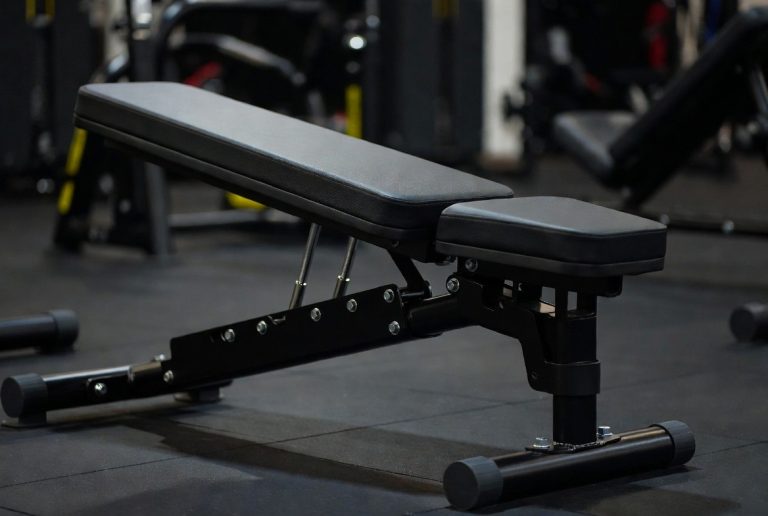

How Adding Weight Works on Bench Press
Yes, adding weight to your bench press is the primary way to get stronger and build more muscle. You can expect to see improvements by consistently increasing the load you lift, provided you use proper form. This progressive overload is the fundamental principle for bench press progress.
Getting stronger on the bench press isn’t just about throwing more plates on the bar. It involves smart programming and listening to your body. Many coaches agree that tracking your lifts and understanding your recovery are key to avoiding plateaus and injury. It’s about building a stronger chest, shoulders, and triceps.
- Bench press strength comes from lifting heavier weights over time.
- Proper form is essential to avoid injury and build muscle effectively.
- Consistency in your training is more important than occasional heavy lifts.
- Tracking your progress helps you know when and how much to increase.
Let’s break down exactly how adding weight works for your bench press, and what you should consider as you get stronger.
Progressive Overload: Your Key to a Stronger Bench Press
Adding weight to your bench press is the most direct path to building strength. This concept is called progressive overload. You consistently challenge your muscles to do more. Your body then adapts by becoming stronger. This is the fundamental principle for getting better at any lift, especially the bench press.
Understanding the Science Behind Strength Gains
When you lift a weight, you create tiny tears in your muscle fibers. This is normal and expected. Your body then repairs these tears. It makes the fibers thicker and stronger to handle similar stress in the future. This repair and rebuilding process is how you get stronger over time. You need to give your muscles a reason to grow.
How Much Weight Should You Add?
The amount of weight you add depends on where you are in your training journey. For beginners, adding 5-10 pounds per week or every other week is often achievable. As you get more experienced, these increases will become smaller. You might only add 2.5 pounds or even 1.25 pounds at a time. The goal is to make consistent progress, not massive leaps.
Beginner Progressions
If you’re new to lifting, you can likely add weight quickly. Focus on perfecting your form. Once you hit all your target reps with good form, it’s time to add a little more weight. A common strategy is to add 5 pounds to the bar each week. Some people find success adding 10 pounds. Listen to your body, and don’t rush the process.
Intermediate and Advanced Progressions
Once you’ve been benching for a while, your progress will slow down. You might be able to add 5 pounds for a few weeks. Then, you might get stuck. At this point, smaller jumps are key. Adding 2.5 pounds to each side of the bar can make a difference. You might also use fractional plates for even smaller increases. This helps you keep moving forward.
Structuring Your Bench Press Workouts for Growth
Simply adding weight isn’t enough. You need a smart plan. How you structure your workouts matters greatly. It ensures you’re challenging yourself safely and effectively.
The Importance of Rep Ranges
Different rep ranges serve different purposes. Lower rep ranges (1-5) are best for building raw strength. Higher rep ranges (8-15) are great for muscle growth, also known as hypertrophy. For a balanced bench press, you’ll want to incorporate both.
Strength-Focused Sets
When you want to lift the most weight possible, stick to lower reps. Doing sets of 3-5 reps with a heavy weight is excellent for strength. You’ll feel fatigued after these sets. This is where you’re pushing your central nervous system to its limits.
Hypertrophy-Focused Sets
To build bigger chest, shoulder, and tricep muscles, aim for higher reps. Sets of 8-12 reps with a challenging weight work well. You should feel a good pump and muscle fatigue. This type of training is vital for increasing your bench press potential.
Using Different Types of Sets
Not all sets are created equal. You can use various set types to stimulate muscle growth and strength in different ways. Research indicates that varying your training can lead to better results (ACSM).
| Set Type | Description | Best For |
|---|---|---|
| Working Sets | These are your main sets where you aim for your target reps and weight. | Overall strength and muscle building. |
| Warm-up Sets | Lighter sets before your working sets to prepare your muscles. | Injury prevention and performance. |
| Drop Sets | After a set, immediately reduce the weight and do more reps. | Muscle fatigue and hypertrophy. |
| Rest-Pause Sets | Do a set, rest briefly, then do a few more reps with the same weight. | Increased volume and intensity. |
Listening to Your Body: Recovery is Key
Progressive overload works best when your body can recover. Pushing too hard without enough rest can lead to injury. It can also stall your progress. You need to give your muscles time to rebuild. Proper sleep and nutrition are non-negotiable for recovery.
The Role of Rest Days
Rest days are not days off from training; they are days when your body gets stronger. Your muscles repair and grow on these days. Many fitness professionals recommend at least 1-2 rest days per week for weightlifters (NSCA). Don’t skip them!
Nutrition for Muscle Growth
Eating enough protein is essential for muscle repair. Aim for about 0.7 to 1 gram of protein per pound of body weight daily. Carbohydrates provide energy for your workouts. Healthy fats support hormone production. Your diet directly impacts how well you recover and grow.
Sleep: The Ultimate Recovery Tool
During deep sleep, your body releases growth hormone. This hormone is critical for muscle repair and growth. Most adults need 7-9 hours of quality sleep per night. Poor sleep will sabotage your bench press gains. Make it a priority.
When to Increase the Weight on Your Bench Press
Knowing when to add more weight is a skill. You don’t want to add weight too soon or too late. Here’s a simple checklist to guide you:
- Did you hit all your target reps with good, controlled form?
- Do you feel like you could have done 1-2 more reps on your last set?
- Are you feeling generally recovered from your last bench press session?
- Does the next logical weight increase feel achievable, not impossible?
- Have you been consistent with your training schedule?
- Are you fueling your body properly and getting enough sleep?
If you answered yes to most of these, it’s likely time to add a little more weight. This consistent, smart approach is how you build a powerful bench press.

Conclusion
Adding weight to your bench press is all about smart, consistent effort. Remember, progressive overload is your best friend here. It means gradually increasing the demand on your muscles. This process, combined with proper form and a structured workout plan, is how you build real strength. Don’t forget that recovery — through sleep, nutrition, and rest days — is just as important as the lifts themselves. Keep tracking your progress and listening to your body. Your next personal best is within reach if you stay dedicated.
Frequently Asked Questions
How often should I try to add weight to my bench press?
For beginners, adding weight weekly or bi-weekly is often feasible. As you advance, aim to add weight only when you consistently hit your target reps with good form. This might be every 2-4 weeks, or even longer for more advanced lifters.
What if I can’t add weight every workout?
That’s completely normal! Progress slows down as you get stronger. Focus on improving your form, increasing reps, or using slightly smaller weight increments. Sometimes, a deload week or focusing on recovery can help you break through plateaus.
Is it okay to add very small amounts of weight, like 1.25 pounds?
Absolutely. For intermediate and advanced lifters, small increases are key to continued progress. Using fractional plates or small dumbbells ensures you’re always moving forward, even if the jumps are tiny. This prevents burnout and injury.
Should I always add weight to all my sets?
Not necessarily. You typically add weight to your main “working sets” once you’ve completed them successfully. Warm-up sets should remain lighter to prepare your muscles. Focusing on progressive overload on your heaviest sets is most impactful.
What’s more important: adding weight or doing more reps?
Both are forms of progressive overload. For raw strength, adding weight in lower rep ranges is key. For muscle growth (hypertrophy), increasing reps with a challenging weight or increasing weight in higher rep ranges is effective. A balanced program includes both.