
How Many Muscles Does Bench Press Work?
The bench press is a fantastic exercise that works many muscles in your upper body. When you perform a bench press, you’re primarily targeting your chest muscles, or pectorals. But it doesn’t stop there; your shoulders and triceps are also heavily involved.
Research and fitness experts agree that the bench press is a compound movement. This means it recruits multiple muscle groups to complete the lift. It’s a foundational exercise for building upper body strength and size, engaging not just the prime movers but also stabilizing muscles throughout your core and back. Think of it as a full upper body workout in one go!
- The bench press mainly works your chest.
- Your shoulders and triceps are also key players.
- It’s a compound exercise that engages multiple muscle groups.
- It’s great for building overall upper body strength.
We’ve gathered the key information to help you understand just how much work your body is doing with every rep. Let’s break down exactly which muscles are firing during your bench press sets.
The Muscle Powerhouse Behind Your Bench Press
So, you’re curious about just how many muscles are firing when you lower that barbell? The bench press isn’t just a chest exercise; it’s a full-on upper body recruitment mission!
Research and fitness experts generally agree that a standard bench press engages around 5-6 primary muscle groups. But when you consider all the secondary and stabilizing muscles, that number jumps significantly. Think of it like a team effort, with different players stepping up at various points.
Primary Movers: The Big Guns
These are the muscles doing the heavy lifting. They are the stars of the show!
1. Pectoralis Major (Your Chest)
This is your main chest muscle. It’s a large, fan-shaped muscle that covers the front of your chest. When you push the bar away from your chest, your pectoralis major is working overtime. It has two main heads: the clavicular head (upper chest) and the sternocostal head (mid and lower chest). Both get a great workout here.
2. Deltoids (Your Shoulders)
Your shoulder muscles, specifically the anterior (front) deltoids, play a crucial role. They help stabilize the weight and assist in the pressing motion, especially at the bottom of the movement. You’ll feel this in the front of your shoulders as you press.
3. Triceps Brachii (Your Back of Upper Arms)
These are the muscles on the back of your upper arm. Their main job is to extend your elbow. As you push the bar up, your triceps are working hard to straighten your arms. They’re essential for completing the lift, especially in the final lockout phase.
Secondary Muscles: The Supporting Cast
While not the primary drivers, these muscles are vital for form and stability. They help you lift safely and effectively.
1. Serratus Anterior
Located on the side of your rib cage, this muscle helps protract your shoulder blades. This means it helps you push your shoulders forward and away from your body. It’s key for shoulder health and stability during the press.
2. Rotator Cuff Muscles
This group of four small muscles (supraspinatus, infraspinatus, teres minor, and subscapularis) works together to stabilize your shoulder joint. They prevent your shoulder from dislocating and ensure smooth movement. A strong rotator cuff is essential for injury prevention.
3. Biceps Brachii
Though primarily known for pulling motions, your biceps do contribute to stabilizing the elbow joint during the bench press. They act as a minor helper, preventing your arm from collapsing under the weight.
Stabilizing Muscles: The Unsung Heroes
These muscles might not seem obvious, but they are working hard to keep your entire body tight and controlled. Without them, you’d be wobbly and weak!
1. Core Muscles (Abs and Obliques)
Your abdominal muscles and obliques are crucial for maintaining a stable torso. They prevent your back from arching too much and help transfer force efficiently. A tight core means a stronger, safer bench press. Many guidelines point to core engagement as key for overall lifting strength (National Academy of Sports Medicine).
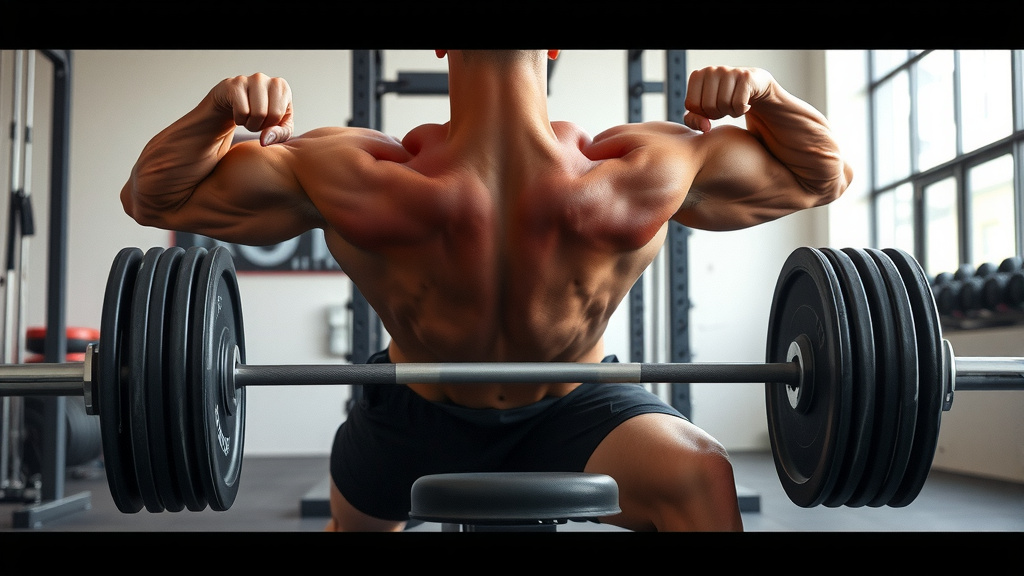
2. Back Muscles (Rhomboids, Trapezius)
Muscles like your rhomboids and trapezius in your upper back help retract your shoulder blades. This means they pull your shoulder blades back and down. This creates a stable platform for your shoulders and protects them from injury. Think of squeezing your shoulder blades together as you lie on the bench.
How Different Bench Press Variations Change Muscle Engagement
Did you know that slightly changing your grip or angle can shift the focus? It’s true!
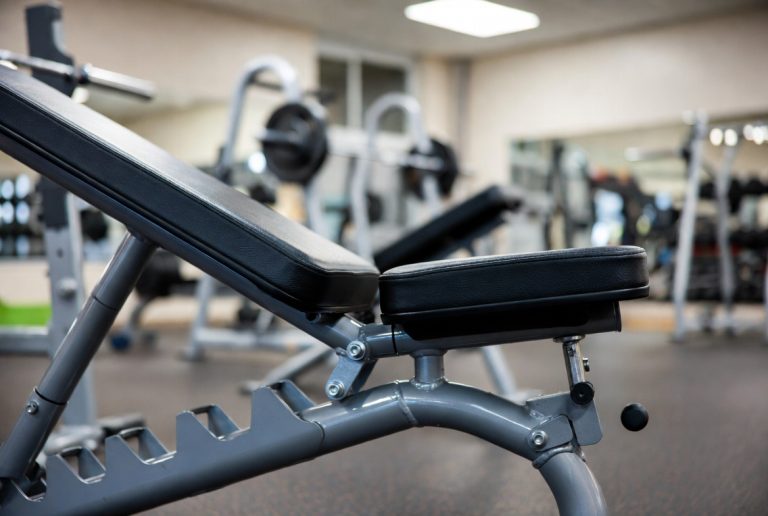
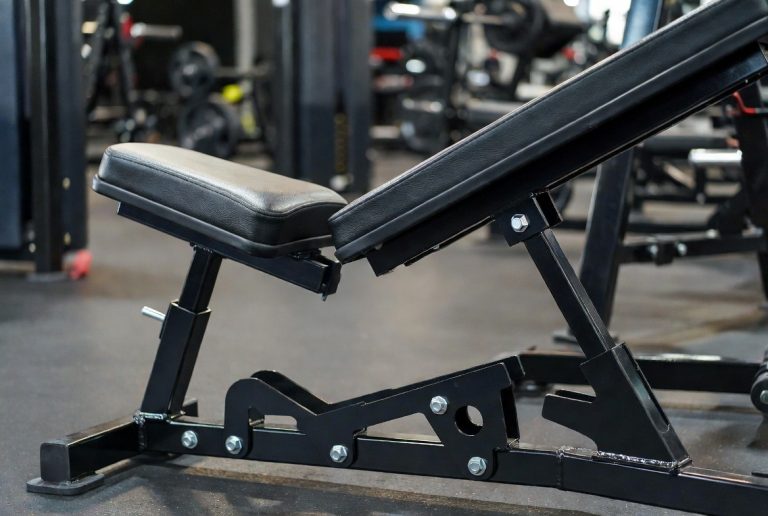
Incline Bench Press
When you perform an incline bench press, you tilt the bench upwards. This places more emphasis on the upper chest (clavicular head of the pectoralis major) and the front deltoids. The overall number of muscles worked remains high, but the distribution shifts.
Decline Bench Press
Conversely, the decline bench press, where the bench is angled downwards, targets the lower chest (sternocostal head of the pectoralis major) more intensely. It can also put a bit more stress on the lower portion of your shoulders.
Close-Grip Bench Press
As the name suggests, a closer grip shifts more of the workload to your triceps. This variation is excellent for building triceps strength and can be a good accessory exercise for improving your standard bench press lockout.
Bench Press Checklist for Muscle Activation
Ready to feel the burn? Here’s a quick rundown of what should be firing:
- Your chest muscles (pectoralis major).
- The front of your shoulders (anterior deltoids).
- The back of your upper arms (triceps brachii).
- Your core for stability (abs, obliques).
- Your upper back for shoulder support (rhomboids, traps).
- Your rotator cuff muscles for joint safety.
| Primary Muscle Group | Secondary Muscle Group | Stabilizing Muscles |
|---|---|---|
| Pectoralis Major (Chest) | Anterior Deltoids (Front Shoulders) | Core (Abs, Obliques) |
| Serratus Anterior | Upper Back (Rhomboids, Trapezius) | |
| Triceps Brachii (Back of Upper Arm) | Rotator Cuff Muscles | |
| Biceps Brachii (Assists) |
Conclusion
As you can see, your bench press is much more than just a chest exercise. It’s a complex movement that engages a wide network of muscles throughout your upper body. You’re hitting your chest, shoulders, and triceps hard as primary movers. Plus, your core, back, and rotator cuff muscles are working diligently to keep you stable and safe. You’re getting a fantastic workout with every rep you perform. Now that you know which muscles are firing, focus on proper form to maximize your gains and minimize your risk of injury. Try incorporating variations to target different areas even more effectively in your next session!
Frequently Asked Questions
Does bench press work my biceps?
Your biceps play a supporting role during the bench press. They help stabilize your elbow joint, preventing your arm from collapsing under the weight. While not primary movers, they do contribute to the overall stability of the lift.
How many muscles does bench press work in total?
While 5-6 primary muscle groups are heavily involved, the total number of muscles activated, including secondary and stabilizing muscles, is much higher. Research shows it’s a full upper body recruitment exercise. You’re using many smaller muscles for balance and control.
Does the bench press work my back muscles?
Yes, your upper back muscles like the rhomboids and trapezius are engaged. They help retract your shoulder blades, creating a stable platform. This action protects your shoulders and supports the pressing movement.
Which bench press variation works the triceps the most?
The close-grip bench press places the most emphasis on your triceps. By bringing your hands closer together on the bar, you shift more of the workload to your upper arms. This variation is great for building triceps strength.
Is bench press good for shoulder health?
A properly performed bench press can contribute to shoulder health by strengthening the rotator cuff muscles. These muscles stabilize your shoulder joint. However, maintaining good form and avoiding excessive weight is key to preventing shoulder injuries.