
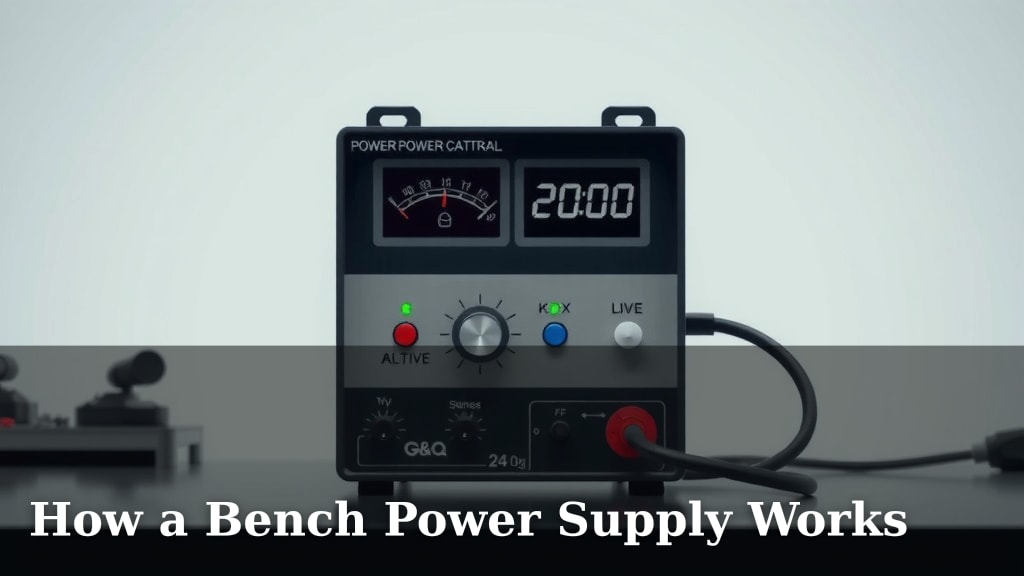
How a Bench Power Supply Works
A bench power supply works by taking AC power from your wall outlet and converting it into a stable, adjustable DC voltage. It acts like a voltage magician, giving you precise control over the electrical power your projects need. This makes it a super handy tool for electronics hobbyists and professionals alike.
Think of it as the power gatekeeper for your electronics. It not only provides the right kind of power but also ensures it’s clean and steady, preventing damage to sensitive components. Many bench power supplies offer features like current limiting and overload protection, keeping your work safe.
- Provides stable DC power.
- Converts AC to adjustable DC.
- Offers current limiting and protection.
- Essential for electronics projects.
Let’s walk through exactly how this amazing device functions step by step, so you can get the most out of yours.
Understanding Your Bench Power Supply’s Inner Workings
So, you’ve got this neat bench power supply, right? It hums along, giving your projects just the juice they need. But have you ever wondered what’s happening inside that box to make it all work? It’s not magic, though it sometimes feels like it! Let’s break down the journey of electricity from your wall to your circuit board.
The AC to DC Transformation: The Core Process
Your home’s electrical outlets supply Alternating Current (AC). This means the voltage and current direction flip-flop rapidly, usually 60 times per second in the US. Most electronic components, however, need Direct Current (DC). DC is steady; the voltage and current flow in one constant direction. Your bench power supply’s primary job is to bridge this gap.
1. The Transformer: Stepping Down the Voltage
First, the incoming AC power from your wall goes through a transformer. Think of a transformer like a gear system for electricity. It uses electromagnetic induction to change the voltage level. For most bench power supplies, this means stepping the high household AC voltage (like 120V) down to a much lower AC voltage. This lower voltage is more manageable for the next stages.
Why is this important? Well, directly using household voltage would fry most sensitive electronics. The transformer provides a safe starting point for the conversion process.
2. The Rectifier: Making it Flow One Way
After the transformer, the voltage is lower, but it’s still AC. This is where the rectifier comes in. A rectifier is typically made of diodes, which are like one-way gates for electricity. They allow current to flow through in only one direction.
The most common type is a full-wave bridge rectifier. It uses four diodes arranged in a specific way. This arrangement effectively “flips” the negative halves of the AC waveform to become positive. The result is a pulsating DC voltage. It’s not smooth yet, but it’s now flowing in one direction.
Imagine pushing a swing. A rectifier makes sure you always push it forward, even if the natural tendency is to swing back a bit. This consistent direction is key to DC power.
3. The Filter: Smoothing Out the Ripples
The pulsating DC from the rectifier is still bumpy. It’s like a bumpy road for electrons. To make it smooth enough for delicate electronics, we need a filter. The most common filter component is a capacitor. A capacitor acts like a small, temporary storage tank for electrical charge.
As the rectified voltage rises, the capacitor charges up. When the voltage starts to dip between pulses, the capacitor slowly discharges, filling in the gaps. This process significantly smooths out the voltage, reducing the “ripple” effect. The output is much closer to a steady DC voltage.
Think of the capacitor as a shock absorber. It smooths out the jolts so your sensitive components don’t get shaken around too much. This smoother power is essential for stable operation.
4. The Voltage Regulator: Keeping it Constant
Even with filtering, the DC voltage might still fluctuate slightly due to changes in the input AC or the load (the device you’re powering). This is where the voltage regulator takes over. It’s the precision component that ensures your output voltage stays exactly where you set it.
Modern bench power supplies often use sophisticated integrated circuits (ICs) for regulation. These regulators constantly monitor the output voltage. If it starts to drift, they make tiny adjustments to correct it. This keeps the voltage remarkably stable, even under varying conditions.
Some older or simpler supplies might use Zener diodes or even just a series of resistors. However, IC regulators offer superior performance and protection. They are the brain of the operation, making sure you get precisely the voltage you dialed in.
Beyond Basic Conversion: Essential Features
While the AC-to-DC conversion is the heart of a bench power supply, many other features make them incredibly useful and safe.
Current Limiting: Protecting Your Work
One of the most critical safety features is current limiting. What happens if you accidentally short-circuit your project, or if a component draws too much current? Without current limiting, the power supply could be damaged, or worse, your project could be destroyed by excessive heat.
Your bench power supply has a circuit that monitors the current flowing out. If it exceeds a preset limit, the supply will reduce the voltage to keep the current at or below that limit. It might even shut off completely. This is a lifesaver for beginners and experienced users alike.
Overload and Short-Circuit Protection
Closely related to current limiting is overload and short-circuit protection. These systems are designed to safeguard both your project and the power supply itself. They act as an electronic fuse, tripping when things go wrong. When protection engages, you’ll usually see an indicator light or a display message.
Adjustable Voltage and Current Controls
The knobs and buttons on your power supply aren’t just for show! They allow you to precisely dial in the exact voltage and current your project requires. This adjustability is what makes a bench power supply so versatile. You can start with a low voltage to test a simple circuit and then gradually increase it.
Display and Monitoring
Most modern supplies have clear digital displays. These show you the exact voltage and current being delivered. Some even show power (watts) or have features like output on/off buttons. Being able to see exactly what’s happening can prevent mistakes and help you understand your circuit’s behavior.
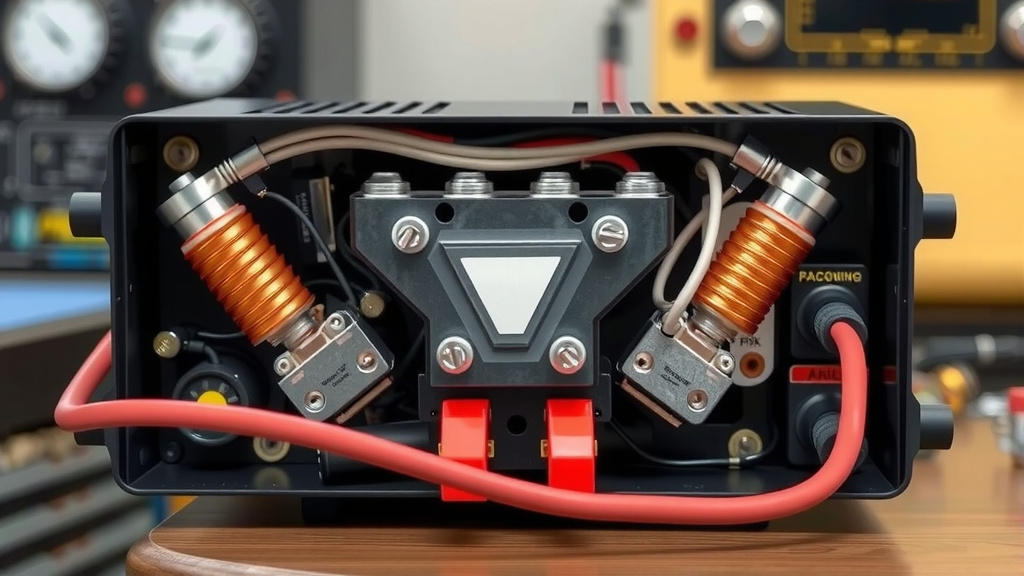
A Quick Checklist for Your Power Supply’s Journey
To recap, here’s the path electricity takes within your bench power supply:
- Wall AC power enters.
- Transformer lowers the AC voltage.
- Rectifier converts AC to pulsating DC.
- Filter smooths out the DC ripples.
- Regulator sets and holds the precise DC voltage.
- Protection circuits monitor for safety.
Understanding these steps helps you appreciate the technology involved. It also gives you confidence when setting up your next electronics experiment. It’s all about providing clean, stable, and controlled electrical power for your creative endeavors!
Conclusion
You’ve now journeyed through the essential components that make your bench power supply a reliable workhorse. From the transformer stepping down voltage to the regulator holding it steady, each part plays a vital role. You understand how it takes noisy AC power and delivers the clean, stable DC your sensitive projects demand.
This knowledge isn’t just academic; it empowers you to use your power supply with confidence. Now, you can confidently set those voltage and current knobs, knowing exactly what’s happening under the hood. Your next step? Power up your latest project with the precision and safety you’ve learned about!
Frequently Asked Questions
Can I use any wall adapter instead of a bench power supply?
No, you generally can’t. Wall adapters provide a fixed DC voltage and lack the adjustable controls and safety features like current limiting that a bench power supply offers. Using a fixed adapter could easily damage your project if the voltage is too high or too low.
What does “ripple” mean in a power supply?
Ripple refers to the small AC voltage fluctuations that remain on the DC output after rectification and filtering. Think of it as a slight waviness on an otherwise flat line. Too much ripple can cause erratic behavior or damage sensitive electronic components.
Why is current limiting so important?
Current limiting is a crucial safety feature that prevents too much current from flowing into your circuit. If you accidentally create a short circuit or a component fails and draws excessive current, the power supply will reduce or shut off the output to protect both your project and the supply itself from damage.
How do I know what voltage and current to set for my project?
You’ll typically find the required voltage and current specifications in your project’s documentation or the datasheets for the components you are using. It’s also a good practice to start with a lower voltage and gradually increase it while monitoring your circuit.
Is a bench power supply necessary for all electronics projects?
While not every simple project requires one, a bench power supply is highly recommended for anyone serious about electronics. Its adjustability, stability, and protection features make it indispensable for testing, troubleshooting, and developing a wide range of circuits safely and effectively.