Incline Bench Press Muscles Worked vs Bench Press: The Complete Science of Upper Body Growth
When you walk into any gym, you’ll notice one piece of equipment getting more attention than almost any other: the bench press. It’s the gold standard of upper body exercises, the one lift that gets casually brought up in conversations between lifters. But here’s what I’ve learned after years of training and studying exercise science: there’s so much more to the story than just lying flat and pressing weight.
The question I hear most often is this: what’s really the difference between the incline bench press and the traditional flat bench press? Sure, they both involve pressing movements, but do they actually target different muscles? Should you be doing both? And which one is going to give you the growth you’re looking for? These aren’t simple yes or no questions, and I’m going to walk you through everything you need to know.
Understanding the Basic Movement Mechanics
Before we dive into the specifics of which muscles get worked, let me break down what’s actually happening when you perform these movements. Think of your chest as a complex piece of machinery with different sections that can be emphasized depending on how you approach them.
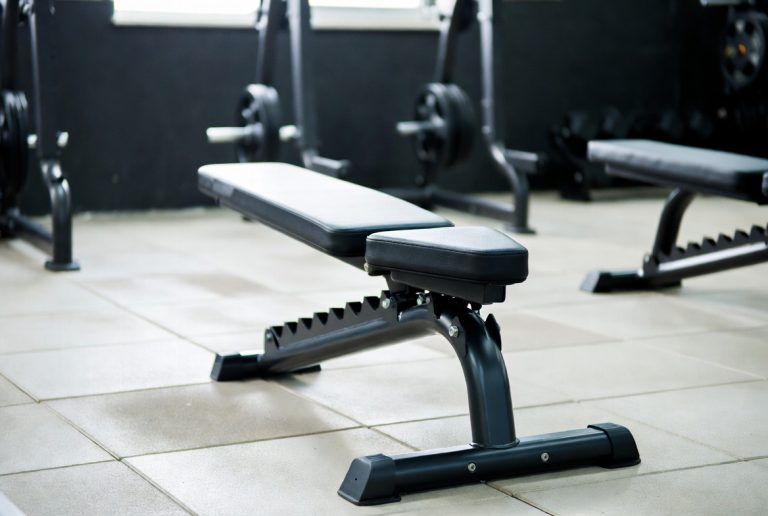
When you lie flat on a standard bench and press weight upward, you’re performing the classic flat bench press. Your body is perfectly horizontal, and the barbell moves in a straight line perpendicular to your torso. It’s simple, it’s fundamental, and it’s been the basis of chest development for generations.
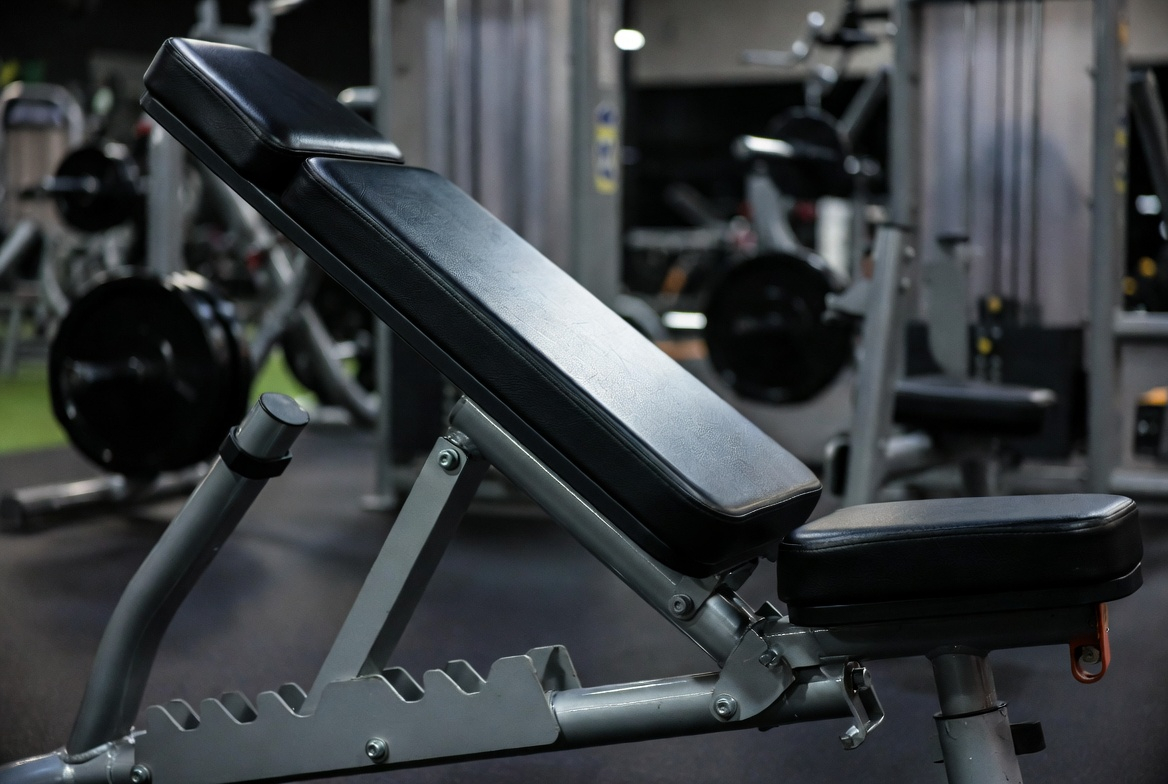
Now, incline the bench to somewhere between 30 and 45 degrees, and everything shifts slightly. The angle changes the trajectory of the movement, which fundamentally alters the muscle engagement throughout your lift.
The Chest: How Fiber Direction Matters More Than You Think
Upper Chest Activation: Why Incline Dominates
Here’s something that many beginners don’t realize: your pectoral muscles aren’t just one giant slab of tissue. The chest is actually divided into distinct regions, and understanding these divisions is crucial to smart programming.
Your upper chest, technically called the clavicular head of the pectoralis major, has a different fiber direction than the lower and middle portions. When you perform an incline bench press, you’re essentially aligning the direction of resistance with these upper chest fibers. It’s like steering a river in a particular direction—when the water flows the way the terrain is sloped, it follows much more efficiently.
The incline angle creates a movement pattern where your shoulders are elevated, and the barbell path naturally emphasizes the upper chest more intensely. Studies have shown that when the bench is inclined at around 40 degrees, the upper chest activation increases significantly compared to a flat bench position. This is biomechanically favorable for that particular region.
Lower and Middle Chest: The Flat Bench Advantage
If the incline bench press is the upper chest specialist, then the flat bench press is the generalist. When your body is horizontal, the resistance is distributed more evenly across your entire chest.
Your lower chest, or the sternocostal head of the pectoralis major, actually gets substantial stimulation during the flat bench press. The angle of your torso means that the lower fibers have to work harder to drive the weight upward. Additionally, your middle chest fibers are optimally positioned for growth during this flat variation.
Think of it this way: if you only did incline work, you’d develop a really impressive upper chest, but your overall chest development might look incomplete. The flat bench press ensures balanced development across all chest regions.
Shoulder Involvement: The Anterior Deltoid Story
Primary vs Secondary Shoulder Work
Both the incline and flat bench press involve your shoulders, but the degree of involvement varies significantly.
The incline bench press places your shoulders in a more active role. Because of the elevated angle, your anterior deltoids (front shoulders) have to generate more force to move the weight. Some lifters describe this as their shoulders working harder during incline movements, and they’re absolutely right.
The flat bench press still engages your anterior deltoids, but they’re more of a supporting cast member rather than the main character. The emphasis is truly on the chest, while the shoulders play a stabilizing and assisting role.
If you’re someone who’s dealing with shoulder issues or wants to minimize shoulder stress while maximizing chest development, the flat bench press might be your better choice. However, if you’re looking to develop well-rounded shoulders alongside your chest, the incline variation brings more to the table.
Triceps Engagement: A Closer Look at the Secondary Movers
How Grip Width and Angle Affect Triceps Involvement
Your triceps are working hard during both movements, but like the shoulders, the degree of involvement differs.
During a flat bench press with a moderate grip width, your triceps act as a secondary mover. They’re definitely working, but they’re not the primary driver of the movement. The chest is leading the action.
With the incline bench press, here’s where it gets interesting. The incline angle actually reduces triceps involvement slightly compared to the flat bench. This might seem counterintuitive, but it makes sense when you understand the mechanics. The angle of the incline means that the pressing movement aligns more with the chest fibers and less with triceps extension patterns.
However, if you use a closer grip on either variation, triceps engagement increases across the board. This is why grip width matters enormously in bench press training.
Stabilizer Muscles: The Unsung Heroes
Core and Rotator Cuff Considerations
When we talk about muscles worked, we often forget about the stabilizers. Your core muscles are working hard during both variations to keep your spine stable. Your rotator cuff muscles are also active, helping to protect your shoulder joint throughout the movement.
The flat bench press actually demands more stabilization work from your core because you’re lying completely horizontal. The incline position is slightly more forgiving for spinal stability, though your core is still very much engaged.
Your rotator cuff muscles, particularly the infraspinatus and teres minor, work to externally rotate your shoulders and keep the joint in a safe position. Both movements demand this, but the mechanics differ slightly based on the angle of your torso.
Comparative Muscle Activation: The Research Perspective
What the Studies Actually Tell Us
I’ve spent time reviewing the scientific literature on this topic, and the findings are pretty consistent. When researchers use electromyography (EMG) to measure muscle activation, here’s what they consistently find:
- Upper chest activation is significantly higher during incline bench press compared to flat bench press
- Lower chest activation is higher during flat bench press variations
- Anterior deltoid activation increases with incline angle but is still present during flat bench work
- Triceps activation is relatively similar between both variations, though grip width matters more than bench angle
- Overall chest mass gains can occur with either movement, but the distribution of growth differs
The takeaway here is that neither movement is objectively “better” for overall development. They each have specific strengths that you can leverage depending on your goals.
Real-World Performance Differences You’ll Actually Notice
Strength Standards and Loading Capacity
Here’s something practical that matters: most people can lift more weight on a flat bench than an incline bench. This isn’t random. The biomechanics of the flat bench position allow for greater force production.
When you’re horizontal, you have better leverage, less stress on your shoulder joints, and a more stable base. Your triceps are also in a more favorable position to contribute. All of this means you can generally handle heavier loads.
The incline bench press is inherently more challenging, not because it’s worse, but because the mechanics are less mechanically efficient. You’re pressing weight at an angle that requires more shoulder stability and less triceps contribution. This is actually beneficial for targeted upper chest development, even if it means slightly lighter weights.
Recovery and Joint Stress
If you’re training multiple times per week and need your joints to stay healthy, pay attention to this. The incline bench press can place more stress on your anterior shoulders due to the increased angle and deltoid involvement.
Some lifters find that alternating between flat and incline work allows them to train more frequently while managing fatigue and joint stress. You might do flat bench on one day and incline on another, getting excellent chest development without overloading any single movement pattern.
Designing Your Training Program: Practical Applications
Should You Do Both or Choose One?
This is the million-dollar question, and the answer depends on your specific circumstances.
If you’re training your chest twice per week, there’s a strong argument for including both movements. You get complete chest development, different stimulus for the upper and lower fibers, and variation that can help prevent plateaus. This is what most serious lifters do.
If you’re only training chest once per week and have limited time, you need to choose based on your goals. Want a big, impressive overall chest? Do the flat bench press. Specifically trying to build up a lagging upper chest? Emphasize incline work.
Many people benefit from using the flat bench press as their primary movement because it’s generally stronger and allows for heavier loads and more volume. Then they’ll add incline work as an accessory to target the upper chest.
Volume and Frequency Recommendations
Based on current training science, you should aim for at least 10 to 20 sets per week of chest-focused work if you want serious growth. This might look like:
- 4 to 8 sets of flat bench press as your primary chest movement
- 4 to 8 sets of incline work targeting the upper chest
- 2 to 6 sets of additional chest-focused exercises like dumbbell work or machines
This approach ensures you’re hitting all regions of your chest while respecting the principle of progressive overload, which is essential for continued growth.
Common Mistakes People Make When Choosing Between These Movements
Mistake One: Only Doing One Variation
I see lifters who’ve been doing only flat bench press for years, and their upper chest development lags behind. Then I see others who only do incline work and wonder why their overall chest doesn’t look impressive. The answer is almost always to include both.
Mistake Two: Using Incorrect Incline Angles
Some people set their bench to a 60 or 70-degree angle and call it an incline bench press. At that angle, you’ve essentially turned it into a shoulder press. You want somewhere between 30 and 45 degrees for optimal upper chest targeting while still maintaining chest emphasis.
Mistake Three: Sacrificing Form for Weight
Because the incline bench is harder, people sometimes sacrifice proper form to lift heavier weight. They bounce the bar off their chest, lose scapular stability, or hyperextend their lower back. This reduces effectiveness and increases injury risk.
Mistake Four: Ignoring Individual Differences
Some people have shoulder issues that make incline pressing problematic. Others have mobility limitations that make flat benching uncomfortable. The best exercise is the one you can do with good form, consistently, without pain.
Maximizing Results: Technique and Form Considerations
Positioning and Setup for Each Variation
For the flat bench press, your shoulder blades should be retracted and pressed into the bench. Your feet should be firmly planted on the ground, creating a stable base. The bar should touch your mid-chest, roughly at nipple level, and your elbows should track at roughly a 45-degree angle from your body.
For the incline bench press, the setup is similar, but you’ll want your shoulder blades retracted against the inclined surface. Your chest should be proud and engaged. The bar path will be slightly different because of the angle, typically coming down toward your upper chest and lower neck area rather than your mid-chest.
Range of Motion and Control
Both movements should involve a full range of motion where you lower the weight until your elbows are bent at roughly 90 degrees, then press back up. Going deeper doesn’t necessarily mean better results—it can actually increase shoulder strain.
Control during both movements is crucial. You should take about two seconds to lower the weight and one second to press it up. This tempo provides good muscle tension without relying on excessive momentum.
Nutrition and Recovery: The Often-Overlooked Variables
Here’s something important: choosing the right exercise means nothing if you’re not supporting your training with proper nutrition and recovery. Regardless of whether you’re doing incline or flat bench press, your muscles need adequate protein, calories, and rest to grow.
Aim for at least 0.7 to 1 gram of protein per pound of body weight daily. Make sure you’re eating in a slight caloric surplus if growth is your goal. And get adequate sleep—most muscle growth actually happens while you’re sleeping, not while you’re lifting.
Comparing Overall Chest Development Outcomes
Aesthetic Results: What You’ll Actually Look Like
If you do only flat bench press for years, you’ll develop a large chest that’s well-rounded with perhaps slightly more emphasis on the lower portion. Your chest will look big and impressive, especially from the front.
If you do only incline bench press, your upper chest will be more pronounced, creating a fuller appearance when viewed from certain angles. Your overall chest might not be as large, but the upper portion will stand out.
If you do both variations intelligently, you get the best of both worlds. Your chest develops fully across all regions, creating a balanced, impressive appearance from any angle.
Making Your Final Decision: A Practical Framework
Before you finalize your training plan, ask yourself these questions:
- How many days per week can I dedicate to chest training?
- Do I have any existing shoulder or joint issues?
- Is my upper chest noticeably lagging compared to other areas?
- What’s my current strength level on both movements?
- Do I have access to both a flat and incline bench?
- What are my specific aesthetic goals?
Your answers to these questions should guide your decision on how to incorporate these movements into your training.
Conclusion
The question of incline bench press versus flat bench press isn’t really about which one is superior. They’re actually complementary tools in your chest development toolkit, each with specific strengths and applications.
The flat bench press is your workhorse movement—it allows for heavier loading, builds overall chest mass, and has been proven effective for generations. The incline bench press is your specialist, targeting the upper chest with precision and adding valuable variation to your training.
Most serious lifters benefit from including both movements in their programming. The flat bench press typically serves as the primary chest movement, where you focus on progressive overload and heavier weights. The incline bench press complements this as a secondary movement, ensuring complete chest development and preventing gaps in muscular development.
Remember that consistency matters more than perfection in exercise selection. A good program that you’ll stick with beats a perfect program you won’t follow. Choose variations that you can perform with good form, that don’t cause pain, and that fit into a realistic training schedule.
Start where you are, track your progress, and be willing to adjust based on your results. Your chest development over the next year will ultimately depend not on which single exercise you choose, but on your dedication to progressive training, proper nutrition, and recovery. Both the