How Tall Should a Garage Workbench Be?
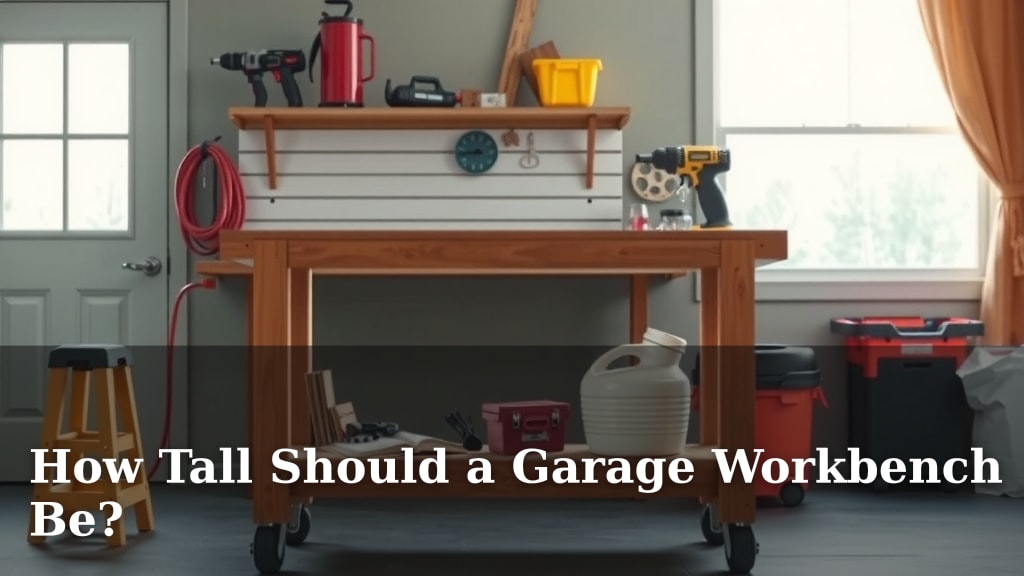
The ideal garage workbench height is typically between 34 and 36 inches off the floor. This range comfortably accommodates most users for standing tasks. You want your workbench height to feel natural, allowing you to work without hunching over or reaching too high. Getting this right makes a big difference in your comfort and efficiency.
Finding the perfect height depends on a few factors. Your own height is the most important consideration. You also need to think about the types of projects you do. Some tasks benefit from a slightly lower bench. Others might be easier at a standard counter height. Getting this measurement right is key for a functional and ergonomic workspace.
- The best workbench height is usually 34-36 inches.
- It should allow you to work comfortably without straining.
- Consider your own height and the tasks you perform.
- Ergonomics play a big role in workshop comfort.
Ready to figure out the perfect workbench height for your space? Let’s break down how to measure and choose the best setup for you.
Choosing the Right Garage Workbench Height for You
So, you’re ready to build or buy the perfect garage workbench. A big part of that is getting the height just right. It might seem simple, but the correct height makes a huge difference in comfort and how well you can work. Let’s figure out what works best for your space.
Why Workbench Height Matters for Your Projects
Your workbench height impacts your posture. Working at the wrong height can lead to backaches and sore shoulders. It can even affect the accuracy of your work. Imagine trying to drill a precise hole while hunching over. That’s not ideal for anyone.
Understanding Ergonomics in Your Workshop
Ergonomics is all about designing a workspace that fits the user. It’s about making things comfortable and efficient. For a workbench, this means aligning it with your body’s natural position. We want you to be able to work for hours without feeling worn out.
The “Elbow Rule” for Bench Height
A common guideline is the “elbow rule.” Stand up straight with your arms relaxed at your sides. Then, bend your elbow to a 90-degree angle. The space between your bent elbow and your hand is roughly the ideal workbench height for standing tasks. This allows you to work with a slight bend in your arm, which is a relaxed and natural position. Many DIYers find this method very helpful for finding their sweet spot (National Institute for Occupational Safety and Health).
Considering Your Own Height
Your personal height is the biggest factor. Taller people will naturally need a higher bench. Shorter individuals will need a lower one. Trying to use a bench that’s too high or too low can be really uncomfortable. It’s like wearing shoes that are too big or too small – they just don’t feel right.
Adjustable vs. Fixed Height Workbenches
Some workbenches come with adjustable legs. These are fantastic if you’re unsure about the perfect height or if multiple people will use the bench. You can tweak them until they feel just right. Fixed-height benches are simpler and often sturdier, but you need to be confident in your measurement before committing.
Different Tasks, Different Heights?
While the elbow rule is a great starting point, some tasks might benefit from slightly different heights. Think about the type of work you do most often in your garage. Are you mostly doing fine detail work? Or are you hammering, sawing, and doing heavier assembly?
Standing Work vs. Seated Tasks
For most general garage tasks like assembly, repair, or woodworking, a standing height is ideal. This is where the 34-36 inch range usually comes into play. However, if you do a lot of fine, detailed work that requires intense focus, or if you prefer to sit, you might consider a lower bench. A workbench that’s about 30 inches high can be comfortable for seated work, similar to a standard kitchen counter or desk height.
Specialty Projects and Workbench Adaptations
Sometimes, a project might call for a specific workbench height. For example, if you’re building large items, you might want a lower bench to provide a stable base. Or, if you need to do a lot of sanding or finishing, a slightly lower bench might give you better leverage. It’s worth thinking about your dream projects too!
A Quick Guide to Measuring Your Ideal Height
Let’s put the elbow rule into action. Grab a measuring tape and get ready to stand tall.
- Stand barefoot on a level floor.
- Relax your shoulders and let your arms hang naturally at your sides.
- Bend one arm at the elbow, creating a 90-degree angle.
- Have a friend measure the distance from the floor to your bent elbow.
- This measurement is a great starting point for your workbench height.
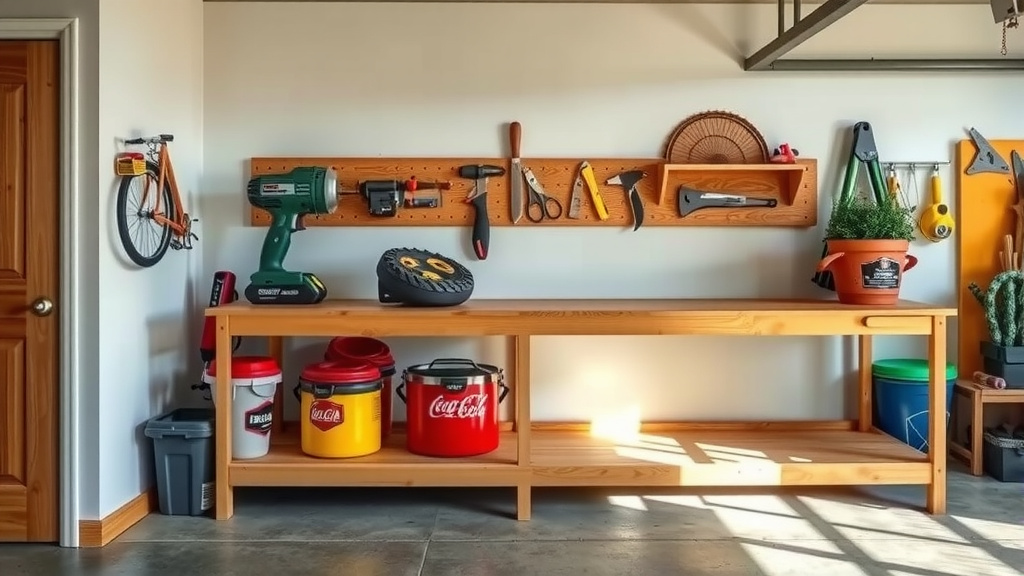
Bench Height Examples Based on User Height
To give you a general idea, here are some typical workbench heights that might work for different user heights. Remember, these are just guidelines, and personal preference is key!
| Your Height (inches) | Approximate Workbench Height (inches) | Notes |
|---|---|---|
| Under 5’4″ | 30-32 | May prefer a lower bench for comfort. |
| 5’4″ – 5’10” | 32-36 | Fits the standard recommendation well. |
| Over 5’10” | 36-38+ | May need a taller bench to avoid hunching. |
Key Takeaways for Your Workbench Setup
Before you finalize your workbench design or purchase, consider these quick points:
- Prioritize your own comfort above all else.
- Use the elbow rule as a strong starting point.
- Think about the majority of tasks you’ll perform.
- Adjust for specialized projects if needed.
- Consider if an adjustable height bench is right for you.
- A well-chosen height makes your garage a more enjoyable place to work.
Conclusion
You’ve got a solid plan for your garage workbench height now! Remember, the goal is comfort and efficiency. Using the elbow rule is your best starting point, but always factor in your own height and the specific tasks you’ll be doing. A well-chosen workbench height can transform your garage into a place you truly enjoy working. Don’t settle for just okay; measure, test, and build a bench that fits YOU perfectly.
Your next step is simple: grab a tape measure and put that elbow rule into practice. Then, you’ll be well on your way to a more ergonomic and productive workshop!
Frequently Asked Questions
Can I use a standard kitchen counter height for my workbench?
A standard kitchen counter height is typically around 36 inches. This height works well for many people as a general standing workbench height. If you’re around average height and do a lot of standing work, this might be perfect for you.
What if I share my garage workshop with someone taller or shorter than me?
If multiple people use the bench, an adjustable height workbench is your best bet. You can easily change the height to suit whoever is working. Alternatively, you could aim for a compromise height that’s tolerable for both users, or set up secondary, lower surfaces for seated tasks.
How do I adjust my workbench height if it’s already built?
You can often adjust a fixed workbench height by adding or removing materials to the legs. Adding sturdy wood blocks or metal risers to the bottom of the legs can increase the height. For lowering it, you might need to cut down the legs, which requires careful measurement and sturdy reattachment.
Is a lower workbench better for heavy-duty hammering?
For tasks like heavy hammering or chopping, a slightly lower workbench can actually provide better leverage and stability. You’ll want to feel grounded. While the standard 34-36 inch range is great for most things, consider a bench closer to 30-32 inches if you do a lot of high-impact work.
What’s the difference between workbench height for sitting versus standing?
When standing, your elbows should be at about a 90-degree angle when your hands are on the workbench surface. For seated work, aim for a height where your elbows are also at a 90-degree angle while you’re sitting comfortably in a chair. This is often closer to desk or kitchen table height, around 30-32 inches.