How Much Does Making a Workbench Cost?
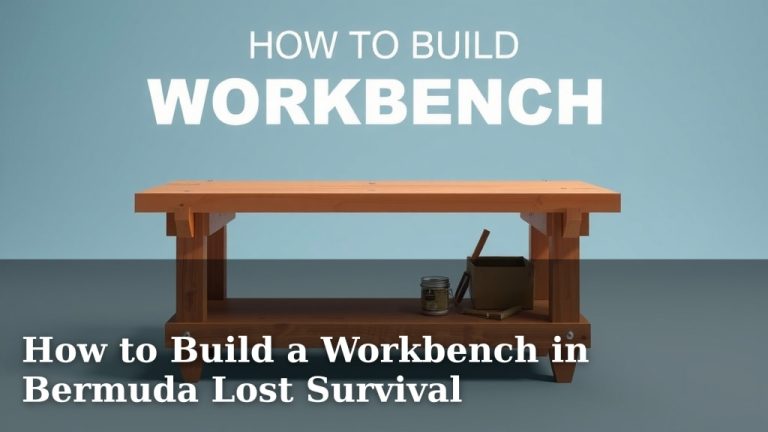
The cost to build your own workbench can range from an affordable $50 to $300, depending on your material choices and design. You might spend a little more for heavy-duty hardware or specific wood types. But you can also keep costs down by using reclaimed lumber or simpler designs. It’s a project where you have a lot of control over the final price.
Many factors influence how much your new workbench will cost. The size and complexity of your design play a big role. So do the types of wood and fasteners you select. We found that opting for basic dimensional lumber like pine or fir is usually the most budget-friendly route. Fancy hardwoods or specialized metal components will certainly drive up the expense.
- Basic build: $50 – $100
- Mid-range build: $100 – $200
- Heavy-duty/premium: $200 – $300+
- Material choice is a big factor.
- Simple designs save money.
Ready to get a clearer picture of what your project might cost? Let’s break down the typical expenses involved in building a workbench so you can plan your budget effectively.
Understanding Your Workbench Budget
Building your own workbench is a rewarding project. It allows you to customize it exactly to your needs. But how much will it actually set you back? We found that the cost can vary widely. It all depends on the materials you choose and the complexity of your design.
Material Costs: The Biggest Variable
The type of wood you select is often the biggest driver of cost. Different woods offer different strengths, aesthetics, and price tags. Think about what you’ll be doing on your workbench. Will it hold light crafts, or will it bear the brunt of heavy tools and projects?
Budget-Friendly Woods
For a very affordable build, you can look at common construction lumber. Pine and fir are excellent choices for a budget-conscious project. You can often find these at any home improvement store. We found that a 2×4 stud or a 2×6 plank can cost anywhere from $3 to $10 depending on length and grade. These woods are relatively soft, so they might show wear and tear more easily. But for general use, they are perfectly adequate.
Mid-Range Woods
If you want something a bit more durable and attractive, consider woods like poplar or even some grades of oak. Poplar is harder than pine and takes paint well, making it a good option if you plan to finish your workbench. Oak is a hardwood that’s much stronger and more resistant to dents. We found that poplar might cost you $8 to $15 per board foot. Oak can range from $12 to $25 per board foot, or even higher for premium grades.
Premium Woods and Alternatives
For a workbench that’s built to last a lifetime and looks fantastic, you might consider higher-end hardwoods. Maple, butcher block, or even exotic woods can be used. These are significantly more expensive. Butcher block countertops, for example, can cost $50 to $100 or more per linear foot. We’ve also seen some incredible workbenches built with steel frames, which adds another layer of expense but offers incredible strength.
Hardware and Fasteners: Don’t Forget the Little Things
Beyond the wood, you’ll need hardware. This includes screws, bolts, brackets, and possibly specialized workbench hardware. The type and quantity will affect your total cost.
Screws and Bolts
Standard wood screws are inexpensive. A box of 100 can cost as little as $5. For structural connections, you might need lag bolts or carriage bolts. These are a bit pricier, maybe $1 to $3 each. If your design requires a lot of heavy-duty connections, this cost can add up. We found that using the right fasteners for the job ensures stability and safety.
Specialty Workbench Hardware
Are you planning to add features like a vise, pegboard, or drawers? These accessories come with their own costs. A basic vise might be $20 to $50. Drawer slides can range from $15 to $50 per pair. These extras can add a noticeable amount to your project total. Think about what features are essential for your work. You can always add more later.
Tools and Supplies: What You Might Need
Do you have all the necessary tools on hand? If not, this can add to your initial workbench investment. Basic tools like a saw, drill, measuring tape, and clamps are pretty standard for woodworking. We found that if you need to buy these, it could add $100 to $300 or more to your project cost.
Consumables
Don’t forget about items like wood glue, sandpaper, and finishing supplies (paint, stain, or sealant). These are often overlooked but are essential for a professional-looking and durable workbench. A can of wood glue might be $5 to $10. Sandpaper packs are usually under $10. Finishing products can vary from $15 to $50 depending on your choice.
Labor: Your Time is Money (But It’s Also Rewarding!)
This is where you have the most control. Building it yourself means your labor is free! However, the time you invest is still a factor. We found that even a simple workbench can take a weekend to build. More complex designs might require several days. If you were to hire someone, labor costs could easily double or triple the material expenses.
Cost Breakdown Table
To give you a clearer picture, here’s a general breakdown of costs. This is based on common DIY workbench builds we’ve researched.
| Workbench Type | Estimated Material Cost | Notes |
|---|---|---|
| Basic/Light Duty | $50 – $100 | Uses common pine or fir, simple design, basic fasteners. |
| Intermediate/Standard Duty | $100 – $200 | Might use poplar or better grade pine, slightly more robust design, better hardware. |
| Heavy Duty/Premium | $200 – $300+ | Hardwoods, thick tops, steel components, specialized hardware, robust joinery. |
Tips for Staying Within Budget
Want to keep your workbench build affordable? Here are a few strategies we found helpful:
- Shop for sales on lumber and hardware.
- Consider using reclaimed wood from old projects or salvaged sources.
- Keep the design simple. Fewer parts mean less material and less labor.
- Rent or borrow tools if you only need them for this one project.
- Prioritize your needs. Start with a functional workbench and add features later.
Conclusion
Building your own workbench is a fantastic project that truly lets you control the final cost. We found that your budget can comfortably range from $50 to $300, depending on your choices. By carefully selecting your materials—whether it’s budget-friendly pine or sturdy hardwoods—and keeping your design simple, you can create a workspace that fits your needs and your wallet. Don’t forget to factor in hardware and any extras you might want. Your next step? Grab your tape measure, sketch out your ideal workbench, and head to the store with a clear budget in mind. You’re ready to build!
Frequently Asked Questions
What’s the cheapest way to build a workbench?
The most affordable workbench often uses basic construction lumber like pine or fir. Keeping the design very simple, with minimal cuts and joinery, also cuts down costs. You’ll want to use standard screws and skip any specialized hardware for the lowest price point.
Can I build a workbench for under $100?
Yes, it’s definitely possible! A basic workbench for under $100 is achievable if you stick to inexpensive dimensional lumber and a straightforward design. You might find materials like 2x4s and plywood are quite budget-friendly when bought in bulk or on sale.
How much does a heavy-duty workbench typically cost to build?
For a heavy-duty workbench, expect costs to start around $200 and go up from there. This usually involves using hardwoods or thicker material, robust joinery, and possibly metal components. Premium hardware, like drawer slides or a strong vise, will also increase the price.
Should I use hardwood or pine for my workbench top?
Pine is a more budget-friendly option and is easier to work with. However, hardwoods like oak or maple are much more durable and resistant to dents and scratches, making them better for heavy-duty use. Your choice depends on your budget and how you plan to use the workbench.
Does adding a vise or other accessories increase the cost significantly?
Yes, adding accessories like vises, drawers, or pegboards will add to your total cost. A basic vise might add $20-$50, while drawer slides can be $15-$50 per pair. Plan for these additions if they are essential for your workflow, or consider adding them later to spread out the expense.