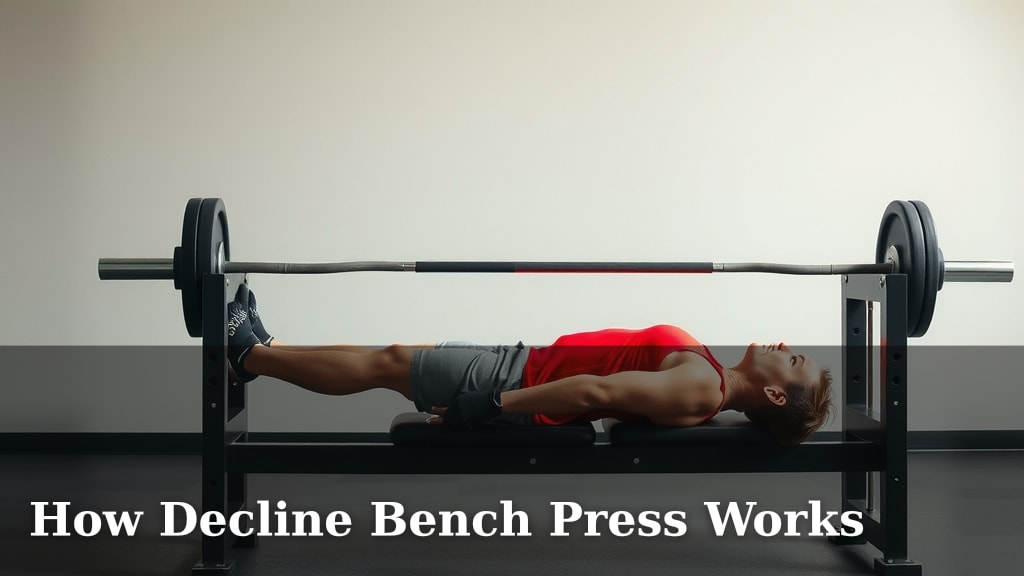
How Decline Bench Press Works
The decline bench press works by targeting your lower chest muscles, primarily the pectoralis major and its lower fibers. This movement engages your triceps and anterior deltoids as secondary movers. It’s a great way to build chest mass and strength from a different angle than a flat bench press.
By pressing a weight downwards at an angle, you shift the emphasis. This variation is excellent for developing that often harder-to-reach lower chest area. Many find it provides a good stretch and a strong contraction. It’s a staple for anyone looking to add dimension to their chest.
TL;DR:
- Targets lower chest muscles.
- Engages triceps and front shoulders.
- Helps build lower chest mass.
- Works by pressing weight at an angle.
Ready to get your lower chest working? Let’s break down exactly how the decline bench press functions and what makes it so effective.
Understanding How the Decline Bench Press Engages Your Muscles
This exercise is a fantastic way to target the lower portion of your chest. You’re essentially pressing a weight downwards away from your body. This downward angle is key. It shifts the workload away from the upper chest and shoulders. Your primary chest muscle, the pectoralis major, gets a good workout here. Specifically, the lower fibers of this muscle are highly activated.
The Pectoralis Major: Your Chest’s Main Engine
The pectoralis major is a large, fan-shaped muscle. It covers the upper part of your chest. It has two main heads: the clavicular head (upper chest) and the sternocostal head (middle and lower chest). The decline bench press really calls on the sternocostal head to do the heavy lifting. You’ll feel this contraction deep in your lower pecs.
Secondary Muscle Groups at Play
While your chest is the star, other muscles help out. Your triceps, the muscles on the back of your upper arm, are crucial. They help extend your elbows to push the weight up. Your anterior deltoids, the front part of your shoulder muscles, also assist. They help stabilize and move the weight through the pressing motion.
The Biomechanics of a Decline Press
So, what’s happening mechanically? You’re lying on a bench that’s angled downwards. This means your head is lower than your feet. When you lower the bar to your chest, it typically lands lower. Think around your sternum or upper abdomen. Then, you press the bar upwards and slightly back towards your face. This movement path is different from a flat or incline press.
Why the Angle Matters for Muscle Activation
That downward angle puts your chest muscles in a slightly different starting position. Research shows this can increase the activation of the lower pectoral fibers (NCBI). It allows for a greater stretch at the bottom of the movement. This deeper stretch can contribute to muscle growth over time. It also forces a strong contraction as you push the weight back up.
Comparing Decline to Other Bench Presses
How does it stack up against other presses? The flat bench press is great for overall chest development. The incline bench press targets the upper chest more. The decline press, therefore, offers a way to hit the lower chest specifically. If you feel like your lower pecs are lagging, this exercise is for you.
Here’s a quick look at the primary muscle focus:
| Exercise | Primary Chest Area Targeted |
|---|---|
| Incline Bench Press | Upper Chest |
| Flat Bench Press | Mid-Chest |
| Decline Bench Press | Lower Chest |
Proper Form: The Foundation of Effectiveness
To get the most out of the decline bench press, form is everything. Poor form can lead to injury and less effective muscle stimulation. You want to feel it in your chest, not strain your shoulders or back.
Setting Up for Success
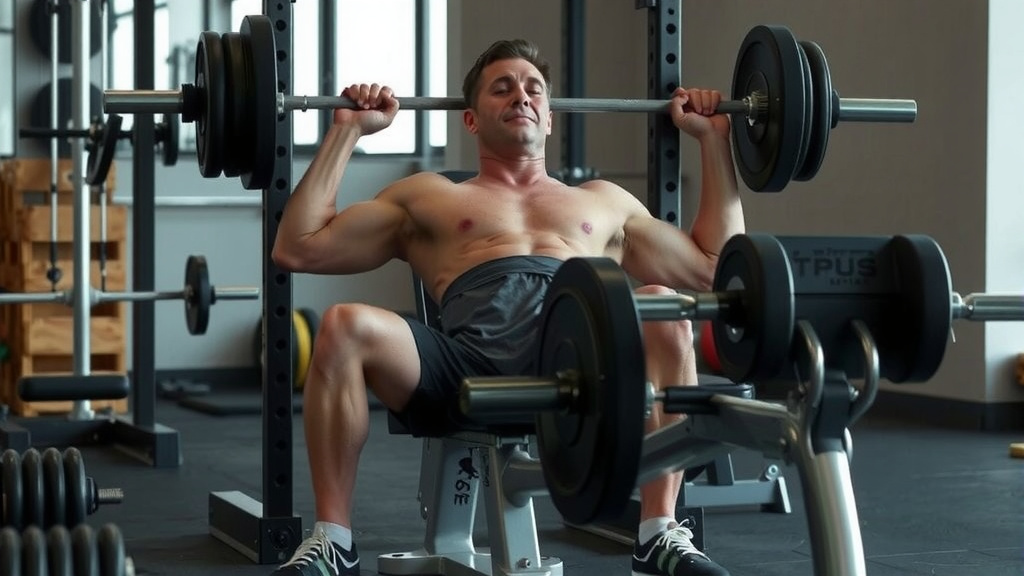
First, secure yourself on the bench. Your feet should be firmly planted on the floor or the leg holders provided. This helps stabilize your body. Keep your back slightly arched, but your glutes should be firmly on the bench. You want a stable base.
The Movement Path
Lower the bar slowly and under control. Aim for your lower chest, around your rib cage. Your elbows should be tucked slightly, not flared out wide. This protects your shoulder joints. As you press up, think about driving the bar back towards your face. This helps engage your chest more effectively.
Benefits Beyond Just Muscle Building
While building a strong, well-defined lower chest is a major draw, there are other advantages. This exercise can help improve your pressing strength from a different angle. It can also contribute to overall upper body pushing power. Many find it gives a good mind-muscle connection with their chest.
Developing a More Complete Physique
A balanced chest doesn’t just mean a big chest. It means a chest that looks full and well-developed from all sides. The decline press helps fill out that lower sweep. This can make your chest look more impressive when you’re wearing a t-shirt or swimming. It contributes to that “V-taper” look.
How to Incorporate Decline Press Into Your Routine
You don’t need to do decline presses every workout. A good strategy is to include them once a week. You might do them after your main compound lifts. Consider it a way to add a targeted stimulus for your lower chest. Start with a weight you can control for 8-12 repetitions.
Here’s a quick checklist to keep in mind:
- Secure your feet.
- Keep your back slightly arched.
- Lower bar to lower chest.
- Keep elbows slightly tucked.
- Control the weight throughout.
- Focus on chest contraction.
Conclusion
You’ve learned how the decline bench press effectively targets your lower chest muscles. This exercise uses a downward angle to shift focus to the pectoralis major’s lower fibers. Your triceps and anterior deltoids also play supporting roles. By mastering the proper form and incorporating it wisely into your routine, you can build a more complete and balanced physique. Don’t just go through the motions; focus on that mind-muscle connection. Ready to give your lower chest the attention it deserves? Try adding two sets of 8-12 reps of the decline bench press to your next chest workout.
Frequently Asked Questions
Is the decline bench press safe for my shoulders?
Yes, when performed with proper form, the decline bench press can be safe. Keeping your elbows slightly tucked and controlling the descent helps protect your shoulder joints. Avoid flaring your elbows too wide during the movement.
Can I do decline bench press without a decline bench?
While a decline bench is ideal, you can simulate the angle on a flat bench. You might try elevating your upper body slightly with pillows or a mat. However, this method is less stable and may not provide the same benefits or safety.
How often should I do decline bench presses?
For most people, doing decline bench presses once a week is sufficient. This allows your muscles adequate time to recover and grow. You might place it as a secondary exercise after your primary chest movements.
Will decline bench press build my upper chest?
The decline bench press primarily targets your lower chest. If your goal is to build your upper chest, you’ll want to focus more on incline bench presses. The decline variation is best for filling out the bottom portion of your pecs.
What weight should I use for decline bench press?
Start with a weight that allows you to complete 8-12 repetitions with good form. Focus on feeling the contraction in your lower chest rather than lifting as much weight as possible. You can gradually increase the weight as you get stronger.