
How a Cylinder Head Flow Bench Works
A cylinder head flow bench works by measuring airflow through a cylinder head’s intake and exhaust ports. It uses a powerful fan to draw air through the ports. This helps engineers understand and improve how air moves into and out of your engine’s cylinders, directly impacting engine performance and efficiency.
Understanding airflow is key for engine tuners and builders. A flow bench is an essential tool in this process. It allows for precise measurements that can reveal areas for improvement. This can lead to a smoother running engine and more power when you need it.
- Flow benches measure how much air passes through engine ports.
- A strong fan creates airflow for testing.
- Data shows how air enters and exits cylinders.
- This helps improve engine power and efficiency.
- It’s a vital tool for engine builders.
Let’s walk through exactly how this machine works and what the results mean for your engine.
Understanding Your Cylinder Head’s Airflow Potential
So, how does a cylinder head flow bench actually work its magic? It’s all about testing airflow under controlled conditions. Think of it like a wind tunnel, but for your engine’s lungs. This machine helps us understand exactly how much air can get into and out of your engine’s cylinders. It’s a key step for anyone wanting more horsepower and better fuel economy.
The Core Components of a Flow Bench
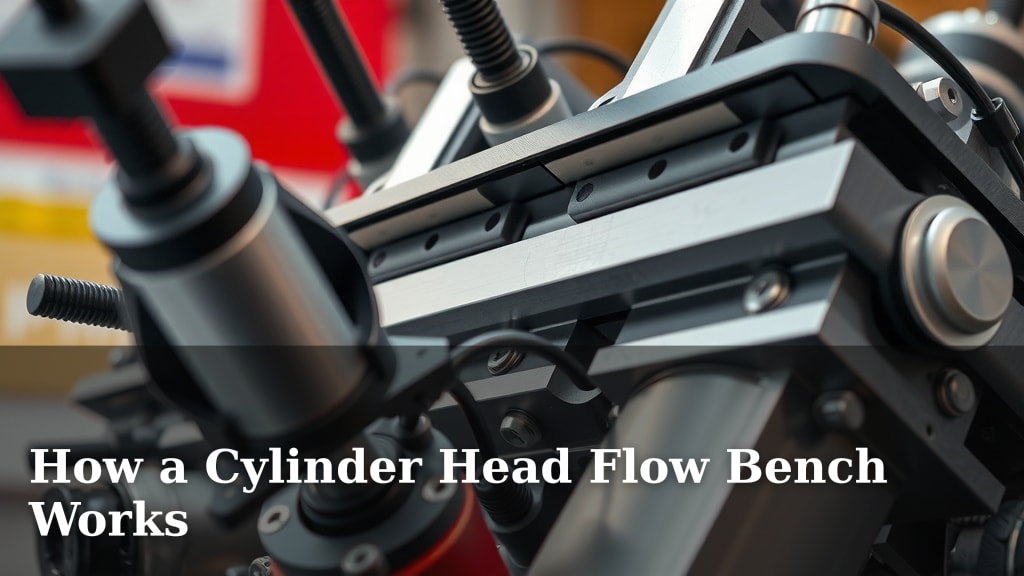
At its heart, a flow bench has a few main parts. You have a powerful fan that creates suction. There’s a way to mount the cylinder head, usually upside down. Then, you have measuring instruments that tell us how much air is moving. These parts work together to give you precise data. We found that understanding these components is step one to grasping the whole process.
The Mighty Fan
The fan is the powerhouse of the operation. It’s not just any fan; it’s designed to pull a massive amount of air. This suction simulates the engine’s natural breathing process. The stronger the fan, the higher the airspeeds you can test. Many experts agree this air movement is the most critical part for accurate readings.
The Mounting Fixture
You need a secure way to attach the cylinder head to the bench. This fixture holds the head firmly in place. It’s designed to allow air to flow through the intake and exhaust ports naturally. A good fixture prevents leaks and ensures consistent testing. We found that a poorly designed fixture can throw off your results significantly.
The Measurement System
This is where the actual data comes from. Flow benches use devices called manometers or digital sensors. These measure air pressure and velocity. They are calibrated to provide very accurate numbers. This data tells us the volume of air moving through the ports. Many sources indicate accurate measurement is key for reliable data.
How the Testing Process Unfolds
Testing isn’t just turning on the fan and hoping for the best. It’s a methodical process. We start by sealing the ports. Then, we use different adapters to simulate various valve openings. The fan pulls air through, and the instruments record the flow rate. It’s a scientific approach to engine tuning.
Setting Up the Cylinder Head
First, the cylinder head is mounted securely. We often use a special plate to seal off the combustion chambers. This ensures air only flows through the ports we are testing. It’s important to get this setup right for accurate results. We found that meticulous setup is as important as the test itself.
Simulating Valve Lift
An engine’s valves don’t open and close all at once. They have different amounts of lift. Flow benches simulate this by using precisely sized round restrictors. These restrictors go into the port. They limit airflow to match a specific valve opening. We can test many different valve lifts to see how the port performs at each stage. Many performance guides mention this step as vital for understanding cam timing effects.
Taking the Readings
With the head mounted and a restrictor in place, the fan starts. It draws air through the port. The manometer or sensor measures the airflow in cubic feet per minute (CFM). We record this number for each specific valve lift. This gives us a data set. We found that doing multiple tests for each setting helps confirm accuracy.
Interpreting the Flow Data
The numbers from the flow bench tell a story. You’ll see airflow figures for both intake and exhaust ports. Generally, higher CFM numbers mean better airflow. But it’s not just about raw numbers. We look at how airflow changes with valve lift. This tells us about the port’s efficiency.
Intake vs. Exhaust Flow
Intake ports are designed to let air in. Exhaust ports let burnt gases out. Typically, intake ports are designed for higher flow than exhaust ports. A common goal is to have the intake flow at least 70-80% of the exhaust flow, though this varies greatly by engine design (SAE J1314 Standard). We found that understanding this ratio is key to diagnosing port issues.
Port Velocity Considerations
While high CFM is good, so is maintaining good air velocity. If air moves too slowly, it can hurt performance. If it moves too fast, it can cause turbulence and loss of power. The flow bench data helps us find a balance. Many tuners look at the shape of the flow curve to understand velocity effects.
Identifying Bottlenecks
The data can reveal weak spots. Maybe one port flows much less than others. Or perhaps airflow drops off too quickly at higher valve lifts. These are clues that the port shape needs modification. We found that a flow bench is excellent at pointing out exactly where to focus your porting efforts.
What Flow Bench Results Mean for Your Engine
So, why go through all this? Better airflow means better engine performance. Your engine can breathe easier. This leads to more power, improved throttle response, and potentially better fuel efficiency. It’s about making your engine perform at its absolute best.
Improving Engine Performance
When an engine breathes better, it can burn fuel more effectively. This means you get more bang for your buck, or rather, more horsepower for your fuel. A well-flowing cylinder head is essential for any performance build. We found that even small improvements in airflow can make a noticeable difference.
Optimizing for Different Needs
Are you building a drag racing engine or a daily driver? The flow bench can help tailor the cylinder head. For racing, maximum airflow is often the goal. For a street car, a balance of airflow and torque at lower RPMs might be better. We found that flow bench data allows for specific tuning for your application.
Here’s a quick checklist of what happens on a flow bench:
- Mount the cylinder head securely.
- Seal off the combustion chambers.
- Use restrictors to simulate valve lift.
- Measure airflow with a manometer or sensor.
- Record CFM data for each test point.
- Analyze the data for port efficiency.
Conclusion
You’ve now seen how a cylinder head flow bench precisely measures airflow. It simulates how your engine breathes by using a powerful fan and specialized tools. This data helps pinpoint areas for improvement. You can achieve a smoother engine and more horsepower. Understanding your cylinder head’s potential is the first step to better performance. Consider consulting with a professional engine builder or using flow bench data for your next build. Your engine will thank you for it.
Frequently Asked Questions
How is airflow measured on a flow bench?
Airflow is measured using devices like manometers or digital sensors. These instruments calculate the volume of air moving through the cylinder head’s ports. They measure air pressure and velocity to determine the flow rate in cubic feet per minute (CFM).
What’s the difference between intake and exhaust port flow?
Intake ports are designed to bring air into the engine, while exhaust ports remove burnt gases. Generally, intake ports should flow more air than exhaust ports for optimal performance. We found that the ideal ratio depends on the specific engine design.
Why is port velocity important to consider?
Air velocity affects how efficiently your engine fills its cylinders. If air moves too slowly, it can reduce power. If it moves too fast, it can create turbulence and cause power loss. The flow bench helps find a balance for optimal performance.
Can a flow bench help with fuel efficiency?
Yes, improved airflow can lead to better fuel efficiency. When your engine breathes more easily, it can burn fuel more effectively. This means your engine performs better while potentially using less fuel.
Do I need a flow bench for a stock engine build?
For a stock engine rebuild, a flow bench is often not necessary. However, if you’re aiming for increased performance or modifying your engine, using flow bench data is highly recommended. It’s a key tool for maximizing your engine’s potential.