
How a Transfer Bench Works
A transfer bench is a sturdy seat that helps you safely move in and out of your bathtub or shower. It works by providing a stable platform that bridges the gap between your bathroom floor and the tub or shower floor. This greatly reduces the risk of slips and falls, especially for those with mobility challenges. You simply sit on the bench and slide over the tub wall. It’s a game-changer for bathroom safety and independence.
Many people wonder how to make bathing easier and safer. A transfer bench is specifically designed for this purpose. It’s often used by seniors, individuals recovering from surgery, or anyone who finds it difficult to step over a high tub wall. The bench allows you to keep your feet on the dry floor while you swing your legs into the tub. This makes the transition into and out of the wet area much more manageable and reduces strain on your body.
- What it is: A specialized bench for safe bathroom transfers.
- How it works: Bridges the tub wall to let you slide in.
- Key benefit: Prevents slips and falls in the bathroom.
- Who it’s for: Seniors, those with mobility issues, or recovering from injury.
Let’s dive into the specifics of how a transfer bench can make your bathing routine much simpler and more secure. We’ll cover the different types and how to use them effectively.
How a Transfer Bench Aids Bathroom Mobility
A transfer bench is ingeniously designed to make moving in and out of your tub or shower much safer and simpler. It works by providing a stable seat that extends partially into the tub. This means you can sit down on the bench while still on your bathroom floor. Then, you gracefully slide over the tub wall into the shower or tub. It’s a real lifesaver for anyone with balance issues.
Many people find stepping over the high edge of a bathtub to be a major challenge. This is where a transfer bench shines. Research has shown that the bathroom is a common place for falls, especially for older adults (CDC). A transfer bench significantly reduces the risk of these dangerous slips. You can keep your feet on the dry floor for longer, giving you more control. It feels much more secure than trying to balance on one leg.
Understanding the Design of a Transfer Bench
You might be wondering what makes these benches so effective. Their design is quite clever and focuses on stability and ease of use. Most transfer benches have a seat and a backrest. They also feature sturdy legs. Some models have adjustable legs. This allows you to customize the height to match your needs. The key is that it’s much more than just a shower stool.
The Seat and Back Support
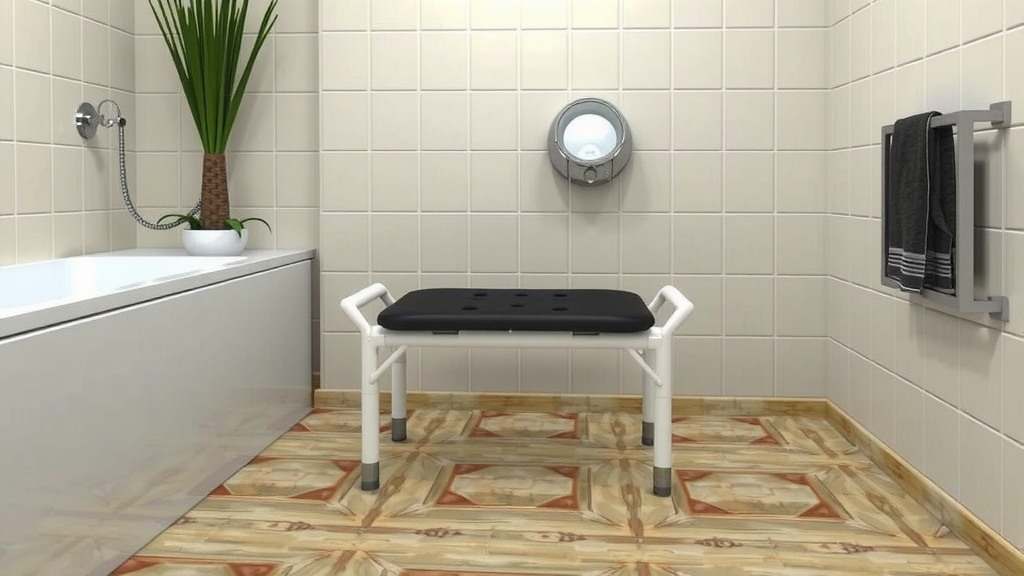
The seat of a transfer bench is typically wider than a standard shower chair. This provides ample room for you to reposition yourself. Many seats are slightly sloped. This helps with drainage, keeping the surface drier. The backrest offers additional support. It’s a great place to lean on as you slide. It provides a sense of security, which is so important.
Legs and Stability Features
Transfer benches usually have four legs, but some designs differ slightly. Two legs are typically placed on the outside of the tub. The other two legs sit inside the tub or shower stall. This configuration creates a bridge. It’s this bridge that gives the bench its name and its function. Many benches have non-slip feet. These grip the floor and tub surface firmly. This prevents the bench from sliding during use.
Materials Used
Most transfer benches are made from durable, water-resistant materials. You’ll often find them constructed from heavy-duty plastic or aluminum. These materials are easy to clean and won’t rust. This is essential for a bathroom environment. Some models might have padded seats for extra comfort. Always check the weight capacity before purchasing. Most can support several hundred pounds (Cleveland Clinic).
Putting a Transfer Bench to Use: Step-by-Step
Using a transfer bench might seem daunting at first. However, it’s quite straightforward once you get the hang of it. Following these steps can help you master the process safely. Always ensure the bench is properly assembled and placed before you start.
Proper Placement is Key
First, you’ll want to position the bench. Place it so that about half of the seat is inside the tub or shower. The other half should remain on your bathroom floor. Make sure the legs are firmly on the ground. Check that the suction cups or rubber feet are secure. The bench should feel very stable. If it wobbles at all, stop and readjust it. Safety first, always!
The Transfer Process
Now, here’s how you actually use it. Approach the bench from the side that is outside the tub. Sit down on the edge of the seat that is on the dry floor. Once you are seated comfortably, gently lift your legs one at a time. You’ll swing them over the tub wall and into the shower or tub. You are now seated entirely within the bathing area. This eliminates the risky step over the tub wall.
Exiting the Tub Safely
Getting out is just as simple. Reverse the process. Swing your legs back over the tub wall, one at a time, until they are on the bathroom floor. You will then be sitting on the bench, with your feet on the dry floor. You can then stand up from the bench. This is much easier and safer than standing up from inside the tub.
Different Types of Transfer Benches
While the basic function is the same, transfer benches come in a few variations. Understanding these can help you choose the best one for your specific bathroom and needs.
Standard Transfer Benches
These are the most common type. They have a fixed seat and a backrest. They provide good support and stability. They work well for most standard bathtubs and showers.
Swinging Door Transfer Benches
Some advanced models feature a swinging door. This door opens outward from the tub. It allows for even easier entry and exit. You simply step through the open door onto the seat. This can feel very freeing for some users.
Corner Transfer Benches
If you have a corner shower or tub, a corner transfer bench might be ideal. These are designed to fit into corner spaces. They offer a snug fit and efficient use of space.
| Feature | Benefit | Consideration |
|---|---|---|
| Adjustable Legs | Customizable height for better fit. | Ensure legs fit your tub/shower floor. |
| Backrest | Added support and comfort. | Some prefer benches without backs for more room. |
| Drainage Holes | Prevents water pooling, keeps seat drier. | Important for slip prevention. |
| Weight Capacity | Ensures safe and sturdy use. | Always check before buying. |
| Non-Slip Feet | Enhances stability and safety. | Crucial for preventing falls. |
Tips for Safe Transfer Bench Usage
To get the most out of your transfer bench, follow these simple tips. They will help ensure your safety and confidence every time you bathe.
- Always ensure the bench is stable before use.
- Do not rush the transfer process.
- Keep the seat dry as much as possible.
- Make sure your caregiver knows how to assist safely.
- Clean the bench regularly to prevent mold and mildew.
When to Consider a Transfer Bench
You might be wondering if a transfer bench is right for you or a loved one. Many situations call for this helpful device. If you have difficulty stepping over the tub wall, it’s a clear sign. This includes individuals recovering from surgery or injury. Seniors often benefit greatly. Anyone experiencing dizziness or balance issues should consider one. It can be a key to maintaining independence in daily routines.
Conclusion
You’ve learned how a transfer bench can truly improve your bathroom safety and independence. By providing a stable bridge over the tub wall, it dramatically reduces the risk of falls. You can now enter and exit your tub or shower with much greater ease and confidence. Remember to always place the bench correctly and never rush the transfer process. Taking this simple step can make a world of difference in your daily routine.
Ready to regain your bathing independence? Consider exploring transfer bench options that best fit your bathroom setup and personal needs. Your safety and comfort are worth it.
Frequently Asked Questions
Do I need a caregiver to help me use a transfer bench?
While a caregiver can assist, a transfer bench is designed to increase your independence. If you have some mobility, you can often use it safely on your own. Always ensure the bench is stable and practice the transfer slowly until you feel comfortable.
Can I use a transfer bench in any bathtub?
Transfer benches are designed for most standard bathtubs and shower stalls. You’ll want to measure your tub’s height and width to ensure a good fit. Some models are specifically designed for corner showers or deeper tubs.
How do I clean and maintain a transfer bench?
Cleaning is usually simple. Wipe down the bench regularly with mild soap and water. Ensure it’s dry after use to prevent mildew. Check the non-slip feet and legs periodically to make sure they are secure and free from debris.
What’s the difference between a transfer bench and a shower chair?
A transfer bench straddles the tub wall, with part of the seat inside the tub and part outside. This allows you to sit on the dry side and slide over. A shower chair typically sits entirely within the tub or shower, requiring you to step over the wall first.
How much weight can a transfer bench hold?
Transfer benches come with varying weight capacities, but most are quite sturdy. Standard models often support between 250 to 350 pounds. Always check the product specifications for the exact weight limit to ensure your safety.