
How a Flow Bench Works
A flow bench works by measuring airflow through an engine’s cylinder head ports. It helps engineers understand how efficiently air enters and exits your engine. This is done by creating a controlled airflow and then measuring it precisely. Understanding this process can lead to better engine performance.
Think of it like a super-powered wind tunnel for tiny engine parts. It simulates the air your engine breathes. By testing different port shapes, we can find out which ones allow the most air to pass through. This directly impacts your engine’s power and fuel economy.
- Measures airflow in engine parts.
- Uses controlled air pressure.
- Tests port efficiency.
- Helps improve engine power.
- Impacts fuel savings too.
Let’s walk through exactly how a flow bench measures this airflow and what it all means for your car.
Understanding How a Flow Bench Measures Airflow
So, how does this magic machine actually work? A flow bench is essentially a highly sophisticated device designed to measure the volume and speed of air moving through an engine’s intake and exhaust ports. Think of it as a precise scientific instrument for engine builders and tuners. It lets them quantify exactly how much air an engine part can handle. This data is critical for performance gains.
The core principle is creating a controlled pressure difference. This difference then forces air through the component being tested. The bench then measures how much air is flowing under these specific conditions. It’s all about quantifying the breathing capability of engine components.
The Basic Setup: What You’ll Find on a Flow Bench
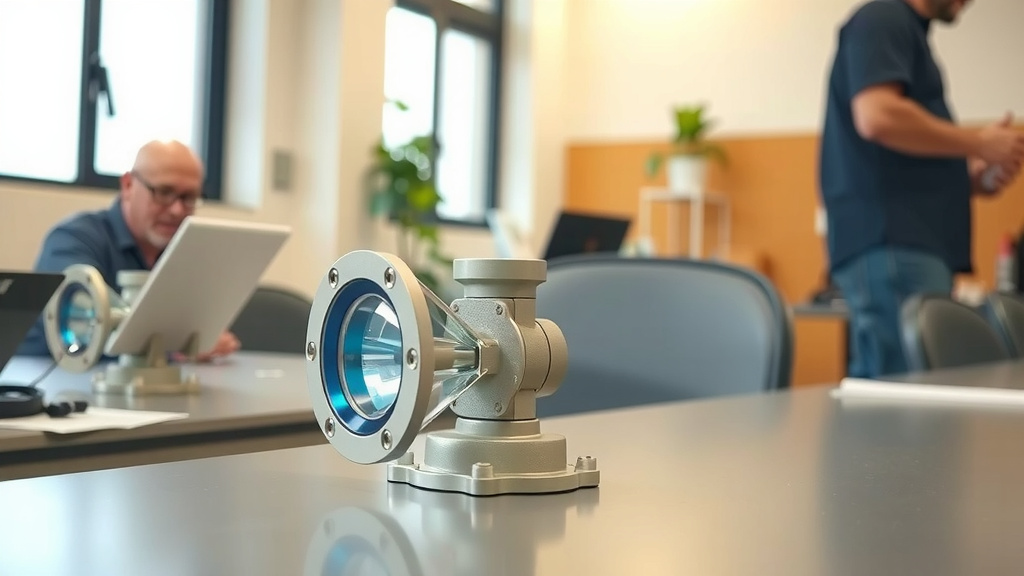
A typical flow bench has a few key components. You’ll see a large vacuum source, usually a powerful blower or pump. There’s a calibrated flow meter to measure the airflow. A way to create a precise vacuum or pressure is also essential. Finally, there are adapters to connect engine ports to the bench itself.
The Vacuum Source: The Engine’s “Breath”
The blower is the heart of the operation. It creates a consistent vacuum. This vacuum pulls air through the engine port being tested. The strength of this vacuum is carefully controlled and monitored. It mimics the engine drawing in air during its intake stroke. This process is fundamental to the test.
The Flow Meter: Measuring the Air
This is where the actual measurement happens. Flow meters come in various types. Some use rotating vanes, others use a swirling vortex of air. The goal is to accurately count how much air passes through. This is usually measured in cubic feet per minute (CFM). A precise reading is absolutely necessary.
The Manometer: Reading the Pressure
A manometer is used to measure the pressure difference. This tells us how hard the vacuum source is working. It also helps calibrate the flow meter. Accurately knowing the pressure helps ensure consistent test results. This consistency is key for comparing different parts.
The Testing Process: Step-by-Step
Testing with a flow bench follows a structured procedure. First, the engine component, like a cylinder head, is secured to the bench. Seals are used to prevent any air leaks. This is vital for accurate readings. Leaks would skew the airflow numbers significantly.
Setting the Conditions
Engineers set a specific vacuum level. This level is chosen to simulate real-world engine conditions. For example, a certain amount of vacuum might represent full throttle. Another might represent lower engine speeds. This allows for targeted testing. You want to test under relevant scenarios.
Taking the Measurement
With the vacuum set, air is pulled through the port. The flow meter records the CFM. This is done for each port on the cylinder head. Sometimes, tests are run at different vacuum levels. This gives a broader picture of the port’s performance. It shows how it behaves under various loads. This detailed approach is highly informative.
Comparing Ports and Designs
Engineers can then compare the airflow numbers. They might test multiple cylinder heads. Or they could test different versions of the same port. This helps identify which design flows the best. They look for the smoothest path for air.
Why This Matters for Your Engine’s Performance
So, why do we go through all this trouble? More airflow means your engine can burn more fuel. More fuel and air burned equals more power. It’s a simple concept with big implications. A well-designed intake port helps your engine breathe more efficiently.
This efficiency isn’t just about peak horsepower. It also impacts how the engine performs across its entire RPM range. Better airflow can lead to improved throttle response. You might also notice better fuel economy. When the engine breathes easier, it doesn’t have to work as hard. This saves energy.
Optimizing Intake and Exhaust Ports
The shape and size of intake and exhaust ports are critical. A flow bench helps engineers find the ideal dimensions. They can smooth out rough edges. They can enlarge or reshape the ports. The goal is to reduce resistance to airflow. Less resistance means more air can enter and exit. This is a direct path to more power.
Understanding Valve and Seat Flow
It’s not just about the port itself. The valve and its seat also play a huge role. Flow benches can measure airflow around the valve. This helps in selecting the right valve size. It also guides in the careful shaping of the valve seat. These areas are often bottlenecks for airflow. Optimizing them provides noticeable improvements.
Flow Bench Data in Action: Real-World Benefits
The data gathered from a flow bench is not just theoretical. It has very practical applications. Performance engine builders use it constantly. They select components based on these airflow numbers. They make porting and polishing decisions. This ensures they are actually improving the engine’s breathing.
For the everyday driver, this can mean several things. You might experience a car with a more responsive engine. Acceleration could feel stronger. While not always directly advertised, many performance upgrades start with flow bench testing. It’s a foundational step in making an engine perform better.
Even manufacturers use flow benches. They use them to refine their production engines. They aim for a balance between performance and efficiency. This ensures their engines meet emissions standards. They also need to ensure reliability. Flow bench data helps them achieve these goals. It’s a tool for engineering excellence.
A Quick Checklist for Flow Bench Basics
Here’s a quick rundown of what we’ve covered:
- Flow benches measure airflow volume and speed.
- They use a vacuum source to simulate engine breathing.
- Calibrated flow meters provide precise CFM readings.
- Manometers track pressure differences for accuracy.
- Testing helps optimize port shape for better performance.
- The data leads to more powerful and efficient engines.
Conclusion
You’ve learned how a flow bench acts as a crucial tool. It precisely measures airflow through engine components. This process helps engineers optimize breathing for better power and efficiency. By simulating an engine’s intake, they can identify bottlenecks. This leads to smoother airflow, improved throttle response, and even better fuel economy. Understanding flow bench data is key for any performance build. Ready to see how it can improve your engine? Consider consulting with a performance shop that uses flow bench testing for their builds.
Frequently Asked Questions
What is CFM, and why is it important for flow bench testing?
CFM stands for Cubic Feet per Minute. It’s the standard unit for measuring airflow volume. On a flow bench, CFM tells you how much air can pass through an engine port. Higher CFM generally means your engine can breathe better, leading to more power.
Can a flow bench measure airflow for exhaust ports too?
Yes, absolutely. A flow bench can be set up to test both intake and exhaust ports. Testing exhaust flow is just as important for understanding how efficiently your engine expels waste gases. This helps in designing better exhaust systems.
Do I need a flow bench to build a performance engine?
While you can build a performance engine without direct access to a flow bench, it’s a tool used by professionals for precision tuning. For the best results, especially in competitive or high-performance builds, using flow bench data is highly recommended to achieve optimal airflow characteristics.
How does flow bench testing help with fuel economy?
When an engine can breathe more easily, it doesn’t have to work as hard to draw in air. This improved efficiency means less energy is wasted. Therefore, an engine optimized with flow bench data can often achieve better fuel economy, especially under normal driving conditions.
What’s the difference between testing at different vacuum levels?
Testing at different vacuum levels simulates various engine operating conditions. A higher vacuum might represent full throttle, while a lower vacuum could be cruising or idle. This allows engineers to see how a port performs across the engine’s entire RPM range, not just at one specific speed.