Flat vs Incline Bench Press Muscles Worked: A Complete Guide to Chest Activation
When you walk into a gym and look at the bench press station, you’re probably wondering why some lifters choose to adjust that bench to an angle while others keep it completely flat. It’s not just a random preference, and it’s definitely not overthinking things. The angle you choose for your bench press fundamentally changes which muscles do the heavy lifting, and understanding these differences can transform your chest development.
Think of your chest like a map with different regions. The flat bench press and incline bench press are two different routes you can take to explore that map, and each one lights up different areas. Let me walk you through exactly what happens in your muscles when you press that bar in each position.
Understanding the Basic Mechanics: Why Angle Matters So Much
Your pectoral muscles aren’t just one giant slab of tissue. They’re actually divided into different sections, and the angle at which you perform your pressing movement determines which sections work hardest. When you lie flat on a bench, you’re pressing horizontally. When you incline that bench, you’re pressing at an upward angle. This seemingly small change creates a completely different stimulus for your muscles.
Here’s the thing: your chest fibers run in different directions. Some run horizontally across your torso, while others angle upward toward your shoulders. By changing your body position, you’re essentially changing the line of pull and pressure on these different fiber groups. It’s like adjusting a camera angle to photograph different parts of a landscape.
The Flat Bench Press: Complete Chest Engagement
Which Muscles Does the Flat Bench Press Target?
The flat bench press is often considered the king of chest exercises, and for good reason. When you’re lying completely horizontal and pressing the barbell straight up, you’re activating your entire chest, from top to bottom.
- The sternal head of your pectoralis major gets the most attention during flat pressing
- Your clavicular head (upper chest) still receives significant activation
- Your abdominal muscles stabilize your entire body
- Your triceps work as secondary movers
- Your anterior deltoids assist throughout the movement
- Your serratus anterior helps stabilize your shoulder blades
Why the Sternal Head Dominates in Flat Pressing
The sternal head is the larger portion of your chest muscle. It makes up most of your pectoral mass, which is why lifters who want to build an impressive overall chest size often prioritize flat bench pressing. When you’re pressing horizontally, the sternal head is in the most mechanically advantageous position to generate force. Your arms are extended almost parallel to the ground, creating a perfect line of force for this muscle group.
Secondary Muscles and Stabilizers
Don’t make the mistake of thinking only your chest works during a flat bench press. Your triceps are doing serious work here. In fact, some studies suggest that triceps activation during flat bench pressing is higher than during incline pressing. Your shoulders also get involved, particularly your front deltoids, which assist in pressing the weight upward. This is why people with shoulder issues sometimes struggle with flat bench pressing—there’s significant shoulder joint stress involved.
The Incline Bench Press: Targeting the Upper Chest
Muscle Activation During Incline Pressing
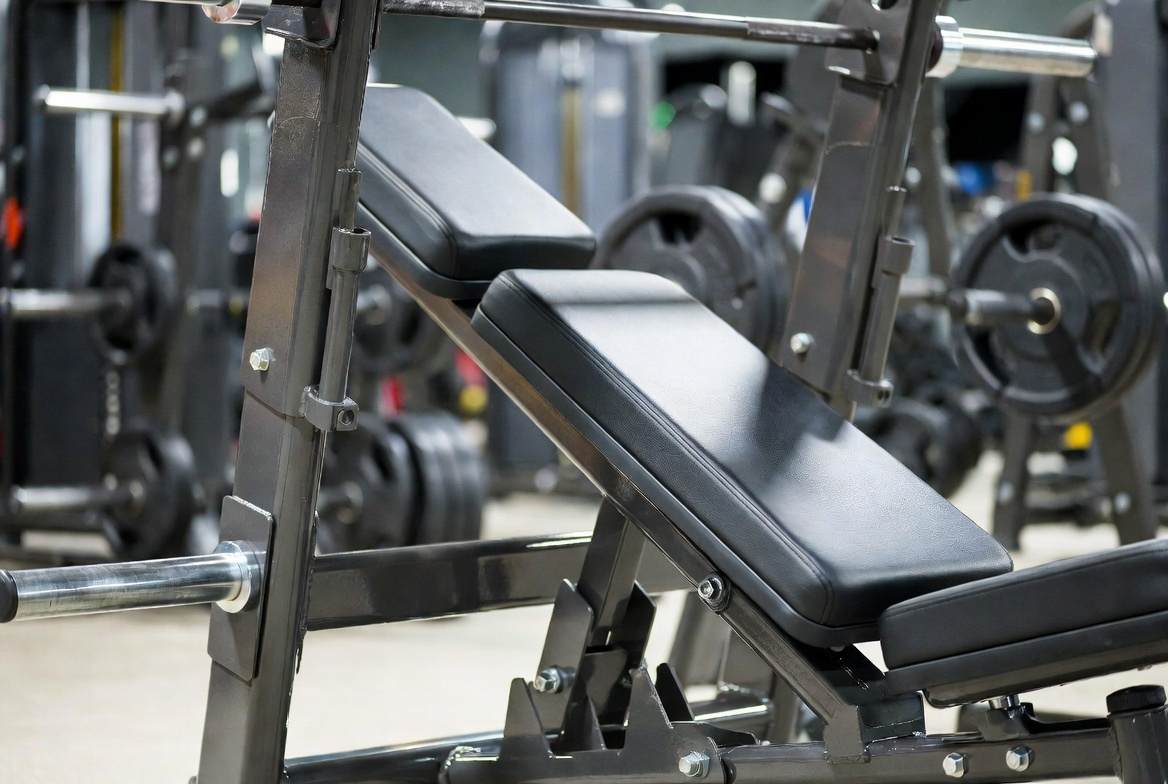
Now let’s talk about the incline bench press. When you adjust that bench to a 30 to 45-degree angle and press upward against gravity at that steeper angle, your muscle recruitment pattern shifts dramatically. The clavicular head of your pectoralis major becomes the primary mover.
- Your upper chest (clavicular head) takes on the primary workload
- Your anterior deltoids receive greater activation than in flat pressing
- Your triceps still work, but with less intensity than in flat pressing
- Your stabilizer muscles engage differently due to the angle
- Your serratus anterior still provides scapular stability
The Upper Chest Development Advantage
Here’s something many lifters miss: your upper chest is notoriously stubborn to develop. It’s the section that really defines whether your chest looks full and impressive from the front. The incline bench press is essentially the best tool you have for targeting this area specifically. The increased angle shifts the mechanical tension directly onto those upper fibers, forcing them to work harder than they would during flat pressing.
Think of it this way: if the flat bench press is your general chest builder, the incline bench press is your upper chest specialist. They work in harmony, but each has its own specialty.
Shoulder Involvement in Incline Pressing
Your anterior deltoids get significantly more work during incline pressing compared to flat pressing. Depending on how steep your incline angle is, some people find incline pressing feels more like a shoulder-dominant movement. This can actually be beneficial if your goal is balanced shoulder development, but it also means less of the stimulus goes directly to your chest muscle fibers themselves.
Direct Comparison: Flat vs Incline Chest Activation
Mechanical Tension and Force Distribution
When we talk about which exercise creates more chest development, we need to consider mechanical tension. Mechanical tension is the amount of force your muscles have to produce to move a weight. In flat bench pressing, because you’re pressing horizontally and the mechanics are generally more efficient, you can typically lift more weight. More weight means more mechanical tension, which means more potential for muscle growth.
In incline pressing, you’re fighting gravity at a more challenging angle, so you typically can’t lift as much weight. However, the weight you can lift still applies significant tension to your upper chest specifically, making it an excellent exercise despite the reduced overall load.
Range of Motion Differences
Here’s an interesting point that doesn’t get discussed enough: the range of motion differs between these two exercises. During flat bench pressing, your arms move through a wide arc. During incline bench pressing at steeper angles, your range of motion changes slightly because the angle of your body affects how far the bar can descend safely. This affects muscle fiber recruitment and the effectiveness of each exercise for specific muscle regions.
Stability and Core Engagement
Your core muscles work differently in each position. During flat bench pressing, your back is completely flat against the bench, and your core provides stability in a specific way. During incline pressing, especially at steeper angles, your core has to work harder to keep your body stable against the inclined surface. This might seem like a small difference, but it affects overall muscle activation patterns.
The Science Behind Muscle Fiber Recruitment
How Your Nervous System Chooses Which Muscles to Activate
Your body is incredibly smart. When you press a weight, your nervous system automatically recruits the muscles most capable of moving that weight in that specific direction. During flat pressing, the sternal chest fibers are in an optimal position to contribute force, so they’re recruited heavily. During incline pressing, the upper chest fibers are in an optimal position, so they’re recruited preferentially.
This isn’t something you consciously control. Your nervous system figures it out automatically based on the biomechanics of the movement. This is why you can’t just “squeeze your upper chest” during flat bench pressing and get the same effect as incline pressing. The mechanics don’t allow for the same level of activation.
Fiber Type Recruitment at Different Angles
Your chest contains both Type I (slow-twitch) and Type II (fast-twitch) muscle fibers. The angle of your bench press affects which fibers get recruited most prominently. Generally, when you’re moving a heavy weight that you can only do for several reps, you’re recruiting more fast-twitch fibers. Both flat and incline pressing recruit these fibers, but the angle determines which chest regions are doing the recruiting.
Which Exercise Should You Use for Specific Goals?
For Maximum Overall Chest Size
If your primary goal is building a big chest, the flat bench press is your foundation. You can lift the most weight, apply the most mechanical tension, and recruit your largest chest muscle (the sternal head) most effectively. This is why most chest-focused training programs prioritize flat bench pressing as the main lift.
For Upper Chest Aesthetics and Definition
If you’re frustrated because your upper chest lags behind your lower chest, or if you want that impressive upper chest shelf that really shows in t-shirts, incline pressing is your answer. You can’t achieve the same upper chest development through flat pressing alone, no matter how hard you try. The mechanics simply don’t allow for it.
For Shoulder Health and Long-Term Sustainability
Some people find incline pressing feels less stressful on their shoulders than flat pressing, especially at steep incline angles. If you have shoulder issues or are training to avoid them, incorporating more incline work might be beneficial. However, this isn’t universal—everyone’s shoulder mechanics are slightly different.
The Optimal Approach: Combining Both Variations
Why Serious Lifters Use Both
Every serious strength athlete and bodybuilder worth their salt includes both flat and incline bench pressing in their training program. Here’s why: they’re complementary, not competitive. The flat bench builds overall chest mass through heavy pressing and maximum mechanical tension. The incline bench targets the upper chest specifically, creating a complete and balanced chest development.
Programming Both Exercises Effectively
A smart approach is to alternate which variation is your primary lift from training cycle to training cycle, or to include both as main lifts on different days. You might do flat bench pressing as your primary lower-chest builder on one day, then incline pressing as your primary upper-chest builder later in the week. This ensures balanced development and prevents overuse injuries.
Volume and Intensity Distribution
Consider your training volume carefully when using both exercises. Since they both stress your chest, anterior shoulders, and triceps, you need to manage total volume to avoid overtraining. Typically, your primary lift should receive more volume and intensity, while the secondary variation gets moderate volume with good technique.
Common Mistakes People Make With These Exercises
Assuming One Exercise is Superior
Some lifters make the mistake of thinking one variation is inherently better than the other. They’re just different. Your genetics, training history, and goals should determine which one deserves primary focus in your program, but both have a place.
Using Incorrect Incline Angles
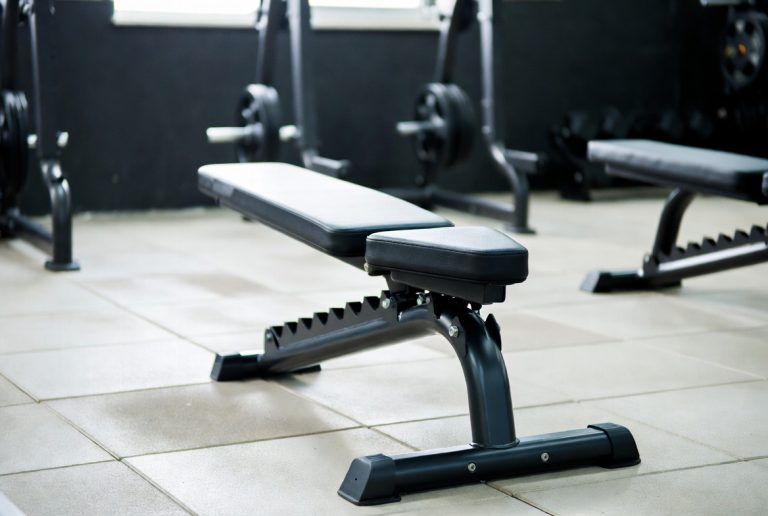
Not all inclines are created equal. A 30-degree incline emphasizes the chest more and the shoulders less. A 45-degree or steeper incline shifts more emphasis to your shoulders. Most research suggests that 30 to 40 degrees is optimal for upper chest development without excessive shoulder involvement. If your gym bench goes to 60 degrees, that might be too steep for pure chest work.
Neglecting Lower Chest Development
Some people get so focused on upper chest that they completely neglect flat bench pressing. This creates an imbalanced chest where the upper portion is developed but the lower portion looks flat. Your lower chest is larger and more visible, so it deserves attention.
Incline Angle: Does It Really Matter?
What Research Shows
Studies comparing different incline angles consistently show that steeper isn’t always better. A 30-degree incline activates the upper chest fibers very effectively while still allowing your chest to contribute significantly to the movement. A 45-degree incline shifts more emphasis to your shoulders. A 60-degree or steeper angle becomes almost a shoulder press rather than a chest press.
For most people wanting to maximize upper chest development, 30 to 40 degrees is the sweet spot. If your bench doesn’t have these settings, an adjustable incline is a worthwhile investment.
Accessory Exercises That Complement Both Variations
To maximize chest development from your flat and incline bench pressing, include accessory exercises that address any weak points. Dumbbell presses allow a greater range of motion and recruit stabilizer muscles. Chest flyes isolate the chest without heavy triceps involvement. Push-ups at different angles can complement your barbell work. Machine chest presses allow you to lift with perfect form when you’re fatigued.
Practical Training Recommendations
Here’s a practical approach: make one variation your primary lift for a 4-6 week cycle. Use higher volume and intensity on this exercise. Include the other variation 1-2 times per week at moderate volume. Every 4-6 weeks, switch which one is primary. This ensures balanced development and prevents adaptation where your body becomes too comfortable with one movement.
Nutrition and Recovery Matter Just as Much
Whether you’re doing flat or incline bench pressing, remember that the exercise itself is just stimulus. Your muscles actually grow when you recover and eat properly. Make sure you’re getting enough protein, calories, and sleep. Progressive overload matters more than the specific variation you choose. If you’re consistently getting stronger and not getting injured, your chest will grow.
Conclusion
The flat bench press and incline bench press are both essential tools for building an impressive chest. They’re not competitors—they’re partners in crime. The flat bench press is your foundational lower and middle chest builder, allowing you to lift heavy weight and create substantial mechanical tension. The incline bench press is your upper chest specialist, targeting the region that’s stubborn to develop and creating that impressive upper chest shelf that really stands out.
The best approach is to include both in your training program, prioritizing whichever addresses your weak points while maintaining the other for balanced development. Remember that the angle of your bench affects which muscles are activated and how much weight you can lift, but both variations are valuable for complete chest development. Stop thinking about flat versus incline as an either-or decision. Start thinking about them as complementary tools that work together to build the chest you want. Your results will thank you.
Frequently Asked Questions
Does the incline bench press really target the upper chest more effectively than flat bench pressing?
Yes, absolutely. Research and practical experience both confirm that incline bench pressing recruits your clavicular head (upper chest) more intensely than flat pressing. The angled position places your upper chest fibers in a more mechanically advantageous position. However, flat bench pressing still activates your upper chest to some degree—it’s just not the primary mover in that variation.
Can I build a complete chest using only the flat bench press?
Technically, flat bench pressing will activate all regions of your chest to some degree. However, your upper chest will lag behind your lower chest in development because the upper fibers simply aren’t in an optimal position during flat pressing. Most lifters find that including incline work creates better overall aesthetics and balance. It’s not that you can’t build a decent chest with only flat pressing—you just won’t optimize upper chest development.
What incline angle is best for chest development?
Research suggests that 30 to 40 degrees is optimal for upper chest development while maintaining significant chest involvement. At 30 degrees, your chest does most of the work with some shoulder assistance. At 45 degrees, the shoulder involvement increases. Beyond 45 degrees, it becomes more of a shoulder press. Find what feels right on your body, but don’t go steeper than 45 degrees if your goal is chest development.
Should I do flat bench press or incline bench press first in my workout?
Generally, do whichever variation is your primary focus for that training cycle first, when you’re fresh and can lift the most weight with perfect form. If you’re equally focused on both, many lifters alternate which one they do first