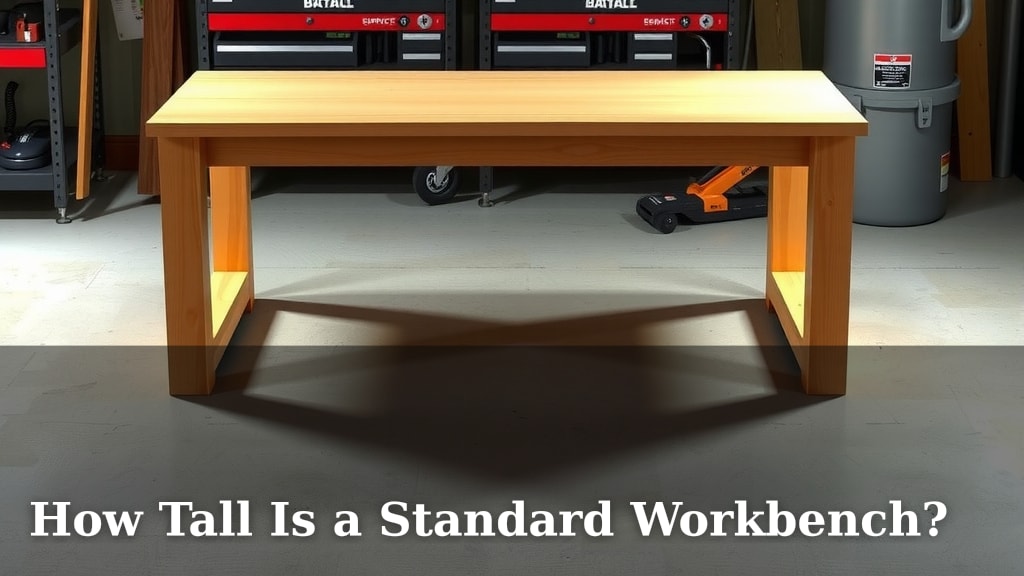
How Tall Is a Standard Workbench?
So, you’re wondering how tall a standard workbench is? Generally, a standard workbench height sits around 34 to 36 inches off the floor. This range is often considered ideal for most tasks. It allows you to work comfortably whether you’re standing or sitting on a stool. We’ve looked into various designs to find the most common measurements.
The perfect workbench height isn’t one-size-fits-all. It depends a lot on your personal height and the type of work you do. A common workbench might also have adjustable legs. This offers great flexibility for different users and projects. Many find this adaptability a key feature for their workshop.
- A standard workbench is usually 34-36 inches tall.
- This height is good for most people.
- Consider your own height for the best fit.
- Adjustable workbenches offer more flexibility.
Let’s get into the specifics and help you find the right height for your needs.
You’re looking to build or buy a workbench, and the height is a big question. Getting the height right means a more comfortable and productive workshop. Let’s break down what makes a standard workbench height and how to choose the best one for you.
Determining Your Ideal Workbench Height
The most common workbench height range is between 34 and 36 inches. This measurement is typically from the floor to the top surface of the workbench. Many experts consider this the sweet spot for general woodworking and DIY projects. It aligns with standard countertop heights in kitchens, which are designed for ease of use.
Why this range? It works well for a wide variety of people. Most adults can stand comfortably at this height. They can also use a stool or chair. You’re not bending too far over, which can strain your back. You’re also not reaching too high, which can make tasks difficult. It’s about finding that ergonomic balance.
Factors Influencing Workbench Height
While 34-36 inches is standard, it’s not a hard rule for everyone. Your personal height is the biggest factor. A shorter person might find a 34-inch bench perfect. A taller person might prefer something closer to 36 inches, or even a bit more. Think about how you naturally stand when you’re doing tasks that require precision or a lot of standing.
Another key consideration is the type of work you plan to do. If you’ll be doing a lot of hammering or using power tools that require force, you might want a slightly lower bench. This allows you to use your body weight more effectively. For tasks that require fine detail work, a slightly higher bench might give you better visibility and control.
The Elbow Test for Ergonomics
One of the most reliable methods to determine your ideal workbench height is the “elbow test.” This is a simple yet effective way to gauge what feels right for your body. It’s often recommended by occupational therapists and workshop design experts.
To perform the elbow test, stand naturally with your feet flat on the floor. Let your arms hang loosely at your sides. Then, bend your elbows to a 90-degree angle, as if you were about to start working. Your forearms should be roughly parallel to the floor. The ideal workbench height should allow you to work with your hands slightly below this level.
If your hands are too high, the bench is too tall. You’ll be constantly reaching up, which strains your shoulders. If your hands are too low, the bench is too short. You’ll be hunching over, leading to back pain. This simple test helps you find a personal sweet spot.
Exploring Different Workbench Styles and Heights
Not all workbenches are created equal. You’ll find a variety of designs, each with its own typical height. Understanding these differences can help you make a more informed choice for your workshop setup.
Fixed-Height Workbenches
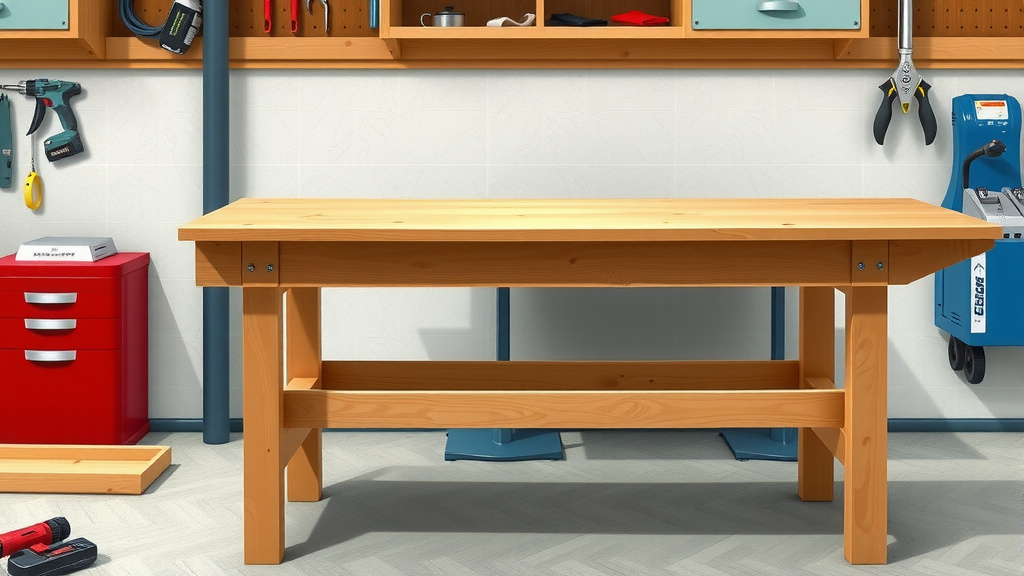
These are your traditional, sturdy workbenches. They come with a set height, usually within that 34-36 inch range we’ve discussed. They are often built from solid wood or heavy-duty steel. They are built for durability and stability. They’re a great choice if you’re looking for something reliable and don’t need much adjustability.
Many DIYers start with a fixed-height bench. They might even build their own. The key is to measure carefully based on the elbow test before you commit to a specific height. Once it’s built, it’s difficult to change.
Adjustable-Height Workbenches
These are fantastic for versatility. Adjustable-height workbenches allow you to easily change the bench’s height. You can do this manually with cranks or levers, or electronically with motors. This means one workbench can suit multiple users or different types of tasks.
For example, if you have a family with varying heights using the same workshop, an adjustable bench is a real lifesaver. You can set it high for a tall user and lower it for someone shorter. It’s also great if you have different projects. You might need a higher bench for intricate electronics work and a lower one for heavy-duty metal fabrication.
The range of adjustability can vary widely. Some might only offer a few inches of adjustment. Others can go from desk height (around 30 inches) up to standing desk height (over 45 inches). This flexibility is a major advantage.
Specialty Workbenches
Beyond the standard types, there are workbenches designed for specific jobs. For instance, a butcher block workbench often has a substantial, thick top. These tend to be in the standard height range, providing a durable surface. A garage workbench might be designed to be slightly lower and more robust for heavier tasks.
Another type is the mobile workbench. These often have casters, allowing you to move them around your workshop. Their heights can vary, but many aim for the standard 34-36 inch range for ease of use when stationary. Some might be slightly shorter to fit under overhead cabinets.
Workbench Height Compared to Other Furniture
It can be helpful to compare workbench heights to common furniture to get a better feel for the measurements. This helps you visualize how a workbench will fit into your space and how you’ll interact with it.
| Furniture Type | Typical Height (inches) |
|---|---|
| Standard Kitchen Countertop | 36 |
| Standard Desk (Writing/Computer) | 29-30 |
| Bar Height Stool Seat | 30 |
| Counter Height Stool Seat | 24-26 |
| Standard Workbench | 34-36 |
As you can see, the standard workbench height is very close to a kitchen countertop. This makes sense because both are designed for work done while standing. It’s also higher than a standard desk, which is meant for comfortable seating.
Think about a tall stool. A counter-height stool typically has a seat height of about 24-26 inches. A bar-height stool is around 30 inches. These stool heights are lower than a standard workbench. This means you can comfortably sit on a stool at a standard workbench. You’ll have enough legroom underneath and your work surface will be at a good height for your elbows.
Key Takeaways for Choosing Your Workbench Height
So, what’s the bottom line when it comes to workbench height?
- Standard is 34-36 inches: This is a great starting point for most people.
- Your height matters most: Use the elbow test to find your perfect fit.
- Consider your tasks: Some jobs benefit from slightly different heights.
- Adjustability is a bonus: If you need flexibility, look for adjustable legs.
- Compare to familiar heights: Kitchen counters and desks can help you visualize.
Choosing the right workbench height isn’t just about following a standard. It’s about creating a workspace that supports your body and your projects. A little attention to height can make a big difference in your comfort and productivity over the long haul.
Conclusion
You’ve learned that a standard workbench height typically falls between 34 and 36 inches. This range offers a great starting point for most projects and users. Remember, your personal comfort is key. Using the elbow test helps you find that perfect ergonomic sweet spot. Whether you choose a fixed or adjustable workbench, prioritizing your comfort will boost your productivity. Now, take that knowledge and set up a workspace that truly works for you!
Frequently Asked Questions
Can I use my kitchen counter height as a guide for a workbench?
Yes, that’s a smart comparison! Standard kitchen countertops are usually 36 inches tall. This is right at the upper end of the standard workbench height range. Many people find this height comfortable for standing tasks, so it’s a good reference point.
What if I’m much taller or shorter than average?
If you’re significantly taller or shorter, the standard 34-36 inch range might not be ideal. Your best bet is to use the elbow test. This simple method helps you find a custom height that perfectly matches your body proportions for maximum comfort.
Are adjustable workbenches really worth the extra cost?
Adjustable workbenches offer great flexibility. If you share a workshop with others of different heights or tackle a wide variety of projects, they can be worth it. You can easily switch heights to suit different tasks and users, making them very versatile.
How low should my workbench be if I plan to do a lot of hammering?
For tasks involving hammering or applying force, you might prefer a slightly lower bench. This allows you to use your body weight more effectively. Aim for a height where your elbows are at a comfortable 90-degree angle, or slightly lower, when standing relaxed.
Is there a standard workbench height for sitting down to work?
While most standard workbench heights are designed for standing, you can certainly sit at them with a stool. The 34-36 inch range works well with counter-height stools (around 24-26 inches) or bar-height stools (around 30 inches). This allows for comfortable legroom and an ergonomic work posture.