How Important Is Tricep Work for Bench Press?
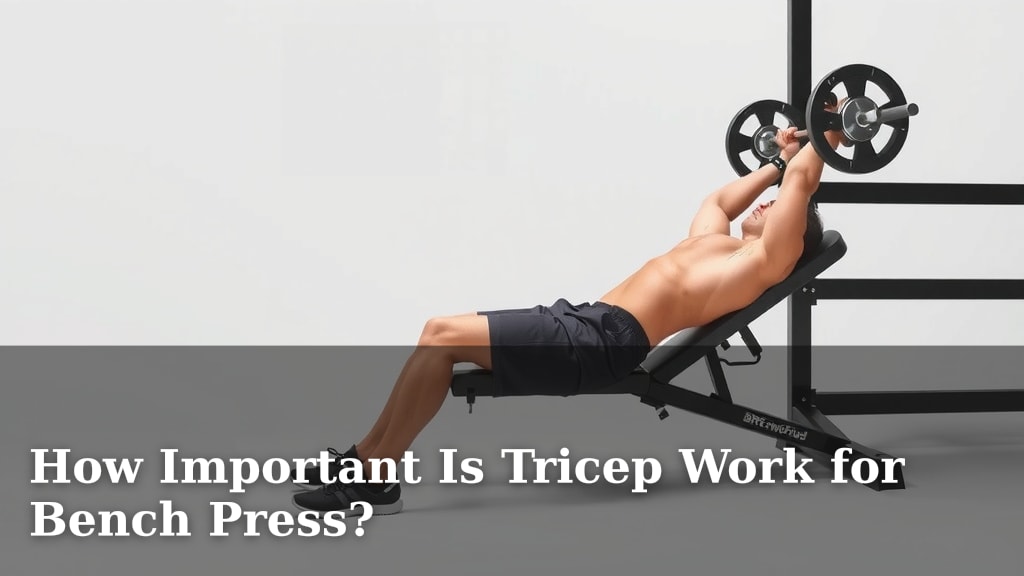
Yes, tricep work is quite important for your bench press. Strong triceps help you lock out the weight at the top of the movement. They are the primary movers for elbow extension. Without developed triceps, your bench press progress might stall.
Many lifters focus solely on chest and shoulder exercises for bench press gains. However, research and expert consensus show that a balanced approach is best. Training your triceps directly can lead to greater overall strength and power transfer. It helps prevent shoulder and elbow injuries too.
- Triceps are key for bench press lockout power.
- Strong triceps help push more weight.
- They contribute to shoulder and elbow stability.
- Targeted tricep exercises can break bench press plateaus.
- A balanced lifting routine boosts overall gains.
Let’s dive into why your triceps deserve some extra attention when you’re aiming for a bigger bench press.
“`htmlWhy Your Triceps Are Bench Press Superstars
When you think about a big bench press, you probably picture a massive chest and powerful shoulders. And while those are definitely important, your triceps play a behind-the-scenes role that’s incredibly powerful. They are the unsung heroes of your bench press.
You might be wondering, “Just how much do triceps actually help my bench?” The answer is: a lot! Research and many coaches consistently point to strong triceps as a key factor for increasing your bench press weight.
The Science Behind Triceps and Bench Press
Your triceps brachii muscle is located on the back of your upper arm. Its main job is to extend your elbow. Think about the top part of your bench press. That’s where your triceps really step in to straighten your arm and lock out the weight.
Studies, like those published in biomechanics journals, have shown that the triceps contribute significantly to the pushing phase of the bench press. Especially as the bar gets closer to the lockout point. This means that even if your chest muscles can lift the weight off your chest, weak triceps can stop you from finishing the rep.
Lockout Power: The Triceps’ Specialty
Imagine pushing a heavy box across the floor. You use your chest and shoulders to get it moving, right? But to get it all the way to its final spot, you extend your arms. That final push is all triceps. It’s the same with your bench press. Your triceps are responsible for that final, powerful extension to complete the lift.
Muscle Fiber Recruitment in the Bench Press
When you lift heavy weights, your body recruits different muscle fibers. For the bench press, your chest and shoulders initiate the movement. But as the weight gets heavier or the lift progresses, your body calls on more muscles to help. Your triceps are a major player in this muscle recruitment process. They help you push through sticking points. This is often seen in the latter half of the bench press range of motion.
Breaking Through Bench Press Plateaus with Triceps Training
Are you stuck at the same weight on your bench press? It’s a common frustration for many lifters. You might be doing all the right chest exercises, but you’re just not seeing progress. It’s possible your triceps are the bottleneck.
When your triceps are lagging behind, they can’t provide the support needed to push heavier loads. This is where targeted tricep work becomes incredibly beneficial. It helps you overcome those frustrating plateaus and keep gaining strength.
Identifying a Triceps Weakness
How can you tell if your triceps are holding you back? One common sign is struggling at the top portion of the bench press. If you can press the weight up halfway but then it stalls, your triceps are likely the culprit. Another sign is experiencing elbow pain during bench press. Weak supporting muscles can sometimes lead to strain.
Many strength coaches suggest that if you can’t lock out a weight cleanly, your triceps need more attention. It’s like having a powerful engine (your chest and shoulders) but a weak transmission (your triceps). The power can’t be fully transferred.
How Triceps Work Boosts Your Overall Bench Press Strength
Adding specific tricep exercises to your routine can lead to measurable improvements in your bench press numbers. This is because stronger triceps can handle more weight. They also help stabilize your elbow joint, reducing the risk of injury. This means you can train harder and more consistently.
We found that lifters who incorporate consistent tricep training often report a better feeling of control throughout the entire bench press movement. This confidence translates into pushing more weight. It’s a virtuous cycle of strength gains.
Effective Triceps Exercises for a Stronger Bench Press
So, what are some great ways to train your triceps for a better bench press? It’s about choosing exercises that effectively target the triceps muscle and allow you to lift heavy. You want exercises that focus on elbow extension.
The Classics: Close-Grip Bench Press and Dips
The close-grip bench press is a fantastic exercise. You perform the bench press with your hands closer together on the bar. This variation shifts more emphasis to your triceps. It allows you to use significant weight, building serious strength.
Dips are another powerful movement. You can do them on parallel bars or a dip station. Leaning slightly forward targets your chest more, while staying more upright puts a greater load on your triceps. Both variations are excellent for building pushing power. Many experts recommend weighted dips for advanced lifters to continue progressing.
Accessory Exercises for Triceps Development
Beyond the big compound lifts, several accessory exercises can really help. These allow you to isolate the triceps and work them from different angles. They also help with muscle endurance and filling out your arm size.
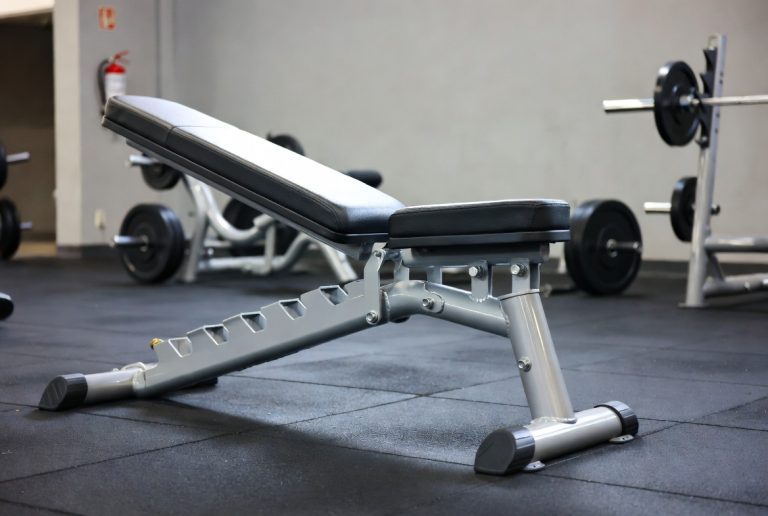
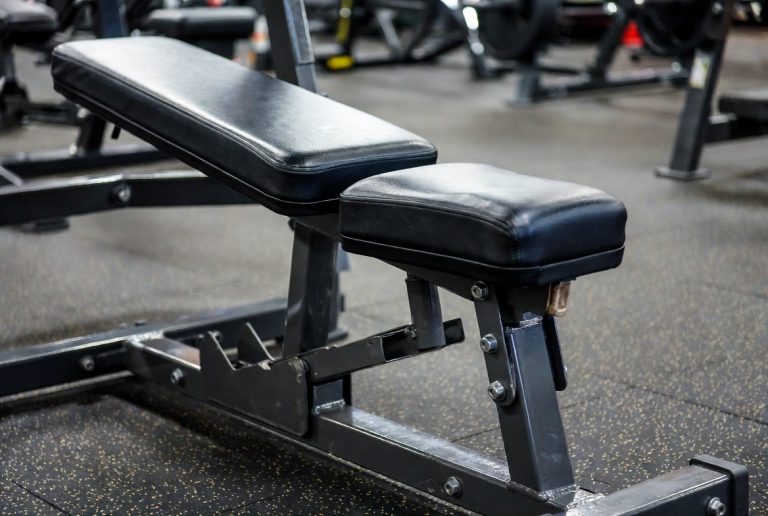
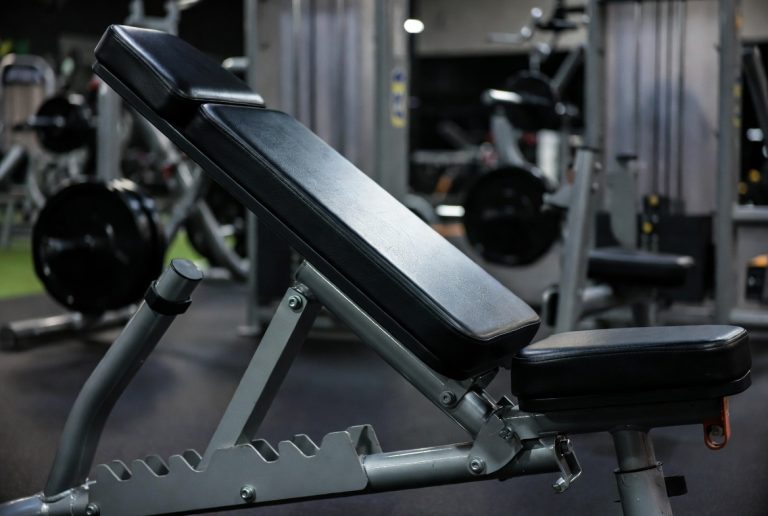
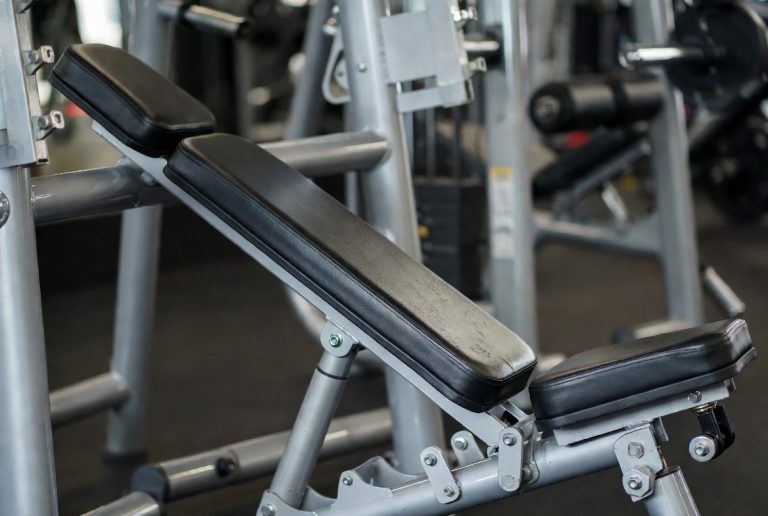
- Skullcrushers (Lying Triceps Extensions): Lying on a bench, you lower a barbell or dumbbells towards your forehead, extending your elbows to lift the weight back up. This is a direct way to work the triceps.
- Overhead Triceps Extensions: Performed with dumbbells or cables, these movements stretch the triceps more at the bottom. This can lead to greater muscle activation.
- Pushdowns: Using a cable machine with a rope or bar attachment, you push the weight down by extending your elbows. This is great for building endurance and a strong lockout.
Here’s a quick checklist to ensure you’re giving your triceps the attention they deserve:
- Add at least one dedicated triceps exercise per week.
- Consider a close-grip bench press variation.
- Include dips (bodyweight or weighted).
- Don’t neglect isolation exercises like pushdowns or extensions.
- Focus on controlled movements, not just lifting weight.
- Listen to your body to prevent overuse injuries.
By consistently training your triceps, you’re not just building bigger arms; you’re building a more powerful and complete bench press. It’s about training smart and addressing all the muscles that contribute to your lift.

Triceps and Injury Prevention
Beyond increasing your bench press numbers, strong triceps can also contribute to joint health. The triceps muscle group plays a role in stabilizing the elbow joint. When your triceps are strong, they help absorb some of the impact and stress during heavy lifts.
This can be particularly helpful for reducing the risk of common lifting injuries, such as tendonitis or strains around the elbow and shoulder. By supporting the primary pressing muscles, your triceps act as a crucial stabilizing force. Many sports medicine professionals highlight the importance of balanced muscle development for injury prevention (Cleveland Clinic).
Think of it like building a sturdy house. You need strong walls (chest and shoulders), but you also need reliable beams and supports (triceps and other stabilizing muscles) to keep everything in place and prevent structural damage. A well-balanced approach to strength training is key for long-term progress and health.
“`Conclusion
You’ve learned that your triceps are far more than just arm muscles; they’re essential partners in your bench press success. Strong triceps directly translate to better lockout power and can help you break through frustrating plateaus. By incorporating targeted tricep exercises like close-grip bench presses, dips, and isolation movements, you’re not just building bigger arms—you’re building a more robust and powerful bench press.
Don’t neglect these unsung heroes. Start adding dedicated tricep work to your routine this week to see real gains. Your bench press will thank you.
Frequently Asked Questions
How often should I train my triceps for bench press?
Aim to train your triceps directly at least once or twice a week. This frequency allows for adequate recovery while still providing enough stimulus for growth and strength gains relevant to your bench press.
Will doing tricep exercises make my arms too bulky?
Tricep training will contribute to arm size, but it’s unlikely to cause excessive bulk on its own. Building large arms requires a combination of specific training, consistent progressive overload, and a calorie surplus.
Can strong triceps help prevent bench press injuries?
Yes, strong triceps contribute to elbow and shoulder joint stability. They help absorb impact and reduce stress on these joints during heavy pressing movements, which can lower your risk of injury.
What if I struggle with the bottom part of my bench press, not the lockout?
If your sticking point is at the bottom, you might need more focus on your chest and shoulder strength. However, balanced tricep development still supports overall pressing power and can help you get through that initial push.
Can I just do close-grip bench presses for my triceps?
Close-grip bench presses are excellent, but a variety of exercises offers the best results. Adding isolation movements like skullcrushers or pushdowns can target the triceps from different angles and ensure complete development.