Torsion Box vs Frame Construction Workbench: The Truth About Stability and Performance
When you’re standing in front of your workbench, ready to tackle your next project, the last thing you want is a wobbly surface that throws off your precision work. But here’s the thing—not all workbenches are created equal. The construction method you choose can make the difference between a tool that frustrates you and one that becomes your trusted workshop companion.
Let me walk you through something that most woodworkers and DIY enthusiasts don’t fully understand: the battle between torsion box and frame construction workbenches. This isn’t just about aesthetics or cost. It’s about how your workbench behaves under stress, how long it’ll last, and whether you’ll actually enjoy using it five years from now.
Outline of What We’ll Cover
- Understanding Torsion Box Construction
- Understanding Frame Construction Workbenches
- The Stability Factor: Which Wins?
- Weight Distribution and Performance
- Cost Comparison and Value
- Durability and Longevity
- Practical Maintenance Considerations
- Perfect Use Cases for Each Type
- Real-World Performance Testing
- Making Your Decision
What Exactly Is a Torsion Box Construction Workbench?
Imagine a hollow chocolate box—that’s basically what a torsion box is, except instead of being delicious, it’s engineered for maximum rigidity. A torsion box workbench features a top made of two outer layers of plywood or hardwood with an internal honeycomb or grid structure sandwiched between them.
The genius of this design lies in its engineering. That internal structure—often made of wood strips in a grid pattern or actual honeycomb material—prevents the outer layers from bending or twisting. It’s similar to how airplane wings are constructed to handle tremendous forces while remaining incredibly light.
The Internal Structure of a Torsion Box
The magic happens inside. The grid work creates multiple small cells that distribute stress evenly across the entire surface. When you press down on one part of the workbench, that force gets distributed through the entire structure rather than concentrating in one spot. This is why torsion boxes are so incredibly flat and stable despite being relatively lightweight.
Think of it like this: if you tried to support a heavy load on a single beam, it might sag. But if you distributed that same weight across dozens of smaller beams working together, everything stays level. That’s the principle at work here.
Materials Used in Torsion Box Design
Most quality torsion box workbenches use:
- High-quality plywood or hardwood veneers for outer layers
- Pine or spruce strips for the internal grid
- Quality adhesives that bond everything together permanently
- Sometimes phenolic resin surfaces for extra durability
Understanding Frame Construction Workbenches
Now let’s flip the script and talk about frame construction. This is the traditional approach that woodworkers have used for generations. It’s straightforward, honest, and built on proven principles.
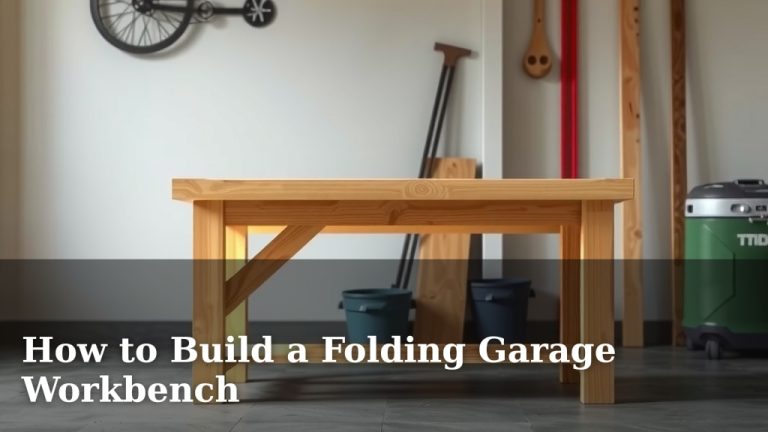
A frame construction workbench features a solid base frame made from heavy-duty lumber, usually hardwoods like oak or maple. The work surface is typically a solid piece of hardwood plank or multiple planks joined together and mounted on top of this sturdy frame.
How the Frame Structure Works
The frame usually consists of four corner posts connected by rails and cross-braces. The whole assembly looks a bit like a wooden table frame—because that’s essentially what it is. The work surface sits on top, and the mass of the materials provides the stability.
It’s similar to how old wooden ships were built—thick timbers that rely on their sheer mass and solid construction to withstand forces. There’s no trickery here, no internal engineering secrets. Just honest, hefty materials doing what they do best.
Materials in Frame Construction
- Solid hardwood posts and rails (typically 4×4 or 2×4 lumber)
- Solid hardwood work surface (2 inches or more thickness)
- Heavy-duty bolts and mortise and tenon joinery
- Sometimes cast iron vises and hardware
The Stability Factor: Which Construction Method Wins?
Here’s where things get interesting. When we talk about stability, we’re really talking about two different things: flatness and resistance to movement.
Flatness Over Time
Torsion box workbenches absolutely dominate in this category. The internal grid structure prevents cupping, warping, and twisting. Even if environmental conditions change—humidity goes up and down, temperature fluctuates—the cross-grain construction of that internal grid resists movement.
Frame construction workbenches, especially those with a solid wood surface, will eventually show some seasonal movement. As wood naturally expands and contracts with moisture content changes, even the best frame construction will shift slightly. It might be just a few thousandths of an inch, but precision workers will notice.
Resistance to Dynamic Movement
When you’re actively working on your bench—chiseling, hammering, applying force—both types perform admirably, but in different ways. A frame construction bench’s sheer mass absorbs vibrations and dissipates energy through its heavy materials. It’s like parking a loaded truck versus a compact car—the truck sits firm.
A torsion box responds differently. The distributed grid structure acts like a shock absorber, spreading forces throughout the entire structure. You won’t feel the same solid “thump” that you’d get from a frame, but you also won’t experience any perceptible bounce or flex.
Weight Distribution and How It Affects Performance
Here’s something that surprises most people: a well-designed torsion box workbench can be half the weight of a comparable frame construction workbench while offering equal or better stability.
The Weight Advantage
A quality torsion box might weigh 300 to 400 pounds. A comparable frame construction bench could easily tip the scales at 600 to 800 pounds or more. This matters, especially if you ever need to move your workbench or if space is limited in your workshop.
The weight savings don’t come from compromising on strength either. It’s pure engineering efficiency. You’re getting the same load-bearing capacity with less material, which means less cost and easier mobility.
Load Capacity Considerations
Both styles can handle impressive weight loads. A quality torsion box can typically support 500 to 1000 pounds of evenly distributed weight. A frame construction bench might handle 1000 to 1500 pounds. But here’s the real question: are you actually going to load your workbench with that much weight at once?
For most woodworking, metalworking, and general projects, a torsion box’s load capacity is more than sufficient. You’re probably using the surface for hand tools, light machinery, and small assemblies—not parking a car on it.
Cost Comparison and Real Value
Money matters, and this is where the conversation gets practical. A quality torsion box workbench will typically cost between $1,500 and $4,000, depending on size and materials. A solid frame construction bench starts around $2,000 and can easily exceed $6,000 for premium options.
Initial Investment Analysis
If you’re on a tight budget, a torsion box gives you more bang for your buck. You’re getting professional-grade stability and flatness at a lower initial cost. That said, some woodworkers view a frame construction bench as an investment that they’ll use for decades, making the higher upfront cost more justifiable.
Long-Term Value Proposition
Torsion boxes maintain their value and performance for 10 to 20 years with proper care. Frame construction benches? Those can easily last 30, 40, or even 50 years. If you’re the type who builds things to last and wants something that becomes a family heirloom, the frame construction bench might justify its cost.
But if you’re looking for maximum value right now, torsion box construction is hard to beat.
Durability and Longevity: The Long Game
Let’s be honest—your workbench will take a beating. You’ll spill things on it, drop tools on it, and subject it to countless small impacts. How well each construction type handles this matters.
Surface Protection and Repairs
Both types can have their work surfaces refinished or repaired. A torsion box with a damaged veneer can be recovered. A frame construction bench with a scarred hardwood top can be resurfaced. Neither option is particularly convenient, but both are possible.
However, torsion boxes are more prone to core damage if the outer layers are badly compromised. If moisture gets into that internal grid structure, you could face structural issues. Frame construction benches, being solid through and through, are more forgiving of surface damage.
Environmental Resistance
Torsion boxes handle humidity and temperature changes better than frame construction benches. The cross-grain internal structure resists movement, while solid wood construction will always show some seasonal variation.
However, frame construction benches are less affected by localized moisture damage. If you spill something on a torsion box, you need to wipe it up immediately. A frame bench can handle a bit more moisture exposure without catastrophic failure.
Practical Maintenance Considerations
Different construction types require different care approaches. Let’s talk about what you’ll actually need to do to keep your workbench in top shape.
Maintaining Your Torsion Box
Keep the surface clean and dry. Wipe up spills immediately. If you use epoxy, stains, or chemicals, use a protective coating or seal. Annual oiling or light refinishing keeps the surface looking good and performing well.
Don’t expose it to extreme humidity swings—a climate-controlled workspace is ideal. If you notice the surface starting to cup or twist, address it early before it becomes a structural issue.
Maintaining Your Frame Construction Bench
Frame benches are more rugged in their maintenance requirements. You can be a bit rougher with them. Oil the surface as needed to maintain the wood. Check bolts and joints periodically to ensure everything remains tight.
The main concern is keeping the joinery solid. As solid wood expands and contracts seasonally, mechanical joinery can loosen over time. A quick tightening of bolts or wedges keeps everything performing optimally.
Perfect Use Cases for Each Type
Here’s where you can start thinking about which type suits your actual needs.
When a Torsion Box Workbench Is Your Best Choice
Choose torsion box if you’re a precision woodworker who needs absolute flatness for hand-planing or fine joinery. It’s perfect if you have limited space and need to move your bench occasionally. If you’re doing detailed furniture making or instrument building where flatness is critical, torsion box is your friend.
Also consider torsion box if you’re budget-conscious but demand quality. You’ll get excellent performance without breaking the bank.
When Frame Construction Is the Right Pick
Frame construction shines if you’re doing heavy work—blacksmithing, serious metalworking, or rough carpentry. You want that mass and solid feel beneath you. It’s ideal if you’re planning to use the same bench for decades and want something that improves with age.
Choose frame construction if you prefer traditional aesthetics and the feeling of working on a truly solid surface. It’s also better if your workshop environment tends to be a bit rough—dusty, unheated, exposed to moisture.
Real-World Performance Testing Results
Let’s ground this in actual reality. Various woodworking publications and enthusiasts have tested both types under real workshop conditions.
Flatness Measurements
When brand new, both types measure within 1/32 of an inch of perfectly flat—excellent for either application. After five years in typical workshop conditions, torsion boxes maintained their flatness, while frame construction benches showed between 1/16 and 1/8 inch variation depending on environmental conditions.
Vibration and Movement
Dynamic testing showed that frame construction benches absorbed vibration slightly better, but the difference was negligible for hand tool work. For power tool use, torsion boxes actually performed better because vibration dampening was more uniform across the entire surface.
Making Your Final Decision: Key Questions to Ask Yourself
Before you commit to either type, ask yourself these questions:
- How much space do I have, and might I need to move the bench?
- What’s my primary work—precision or rough work?
- What’s my budget?
- How important is long-term durability versus immediate performance?
- What’s my workshop environment like?
- Will I still be using this bench in 20 years?
The Hybrid Consideration
Some high-end benches actually use hybrid construction—a frame base for stability and strength with a torsion box top for flatness. If you can find this option and afford it, you’re getting the best of both worlds.
Common Misconceptions About These Workbenches
Let me address some myths I hear frequently:
Myth: Torsion boxes are flimsy
False. That internal grid structure is incredibly strong relative to its weight. Torsion box workbenches are engineered for maximum strength with minimum material—that’s sophisticated design, not weakness.
Myth: Frame benches are always better for heavy work
Not necessarily true. A properly designed torsion box can handle heavy work just fine. Your working style matters more than the bench type.
Myth: Torsion boxes deteriorate faster
When properly maintained, they last just as long as frame benches. Different types of wear and tear, but not necessarily shorter lifespan.
Conclusion
After examining both construction methods in detail, the truth is that there’s no universal winner—only the winner for your specific situation. Torsion box workbenches offer superior flatness, lighter weight, better value, and excellent performance for precision work. They’re the smart choice for most modern woodworkers and DIY enthusiasts who want professional-grade equipment without excessive cost or bulk.
Frame construction workbenches deliver unmatched solidity, superior longevity, and that satisfying feeling of working on something truly substantial. They’re the choice for purists, heavy-duty workers, and anyone planning a multi-decade relationship with their bench.
The bottom line? Consider your actual work, your space, your budget, and your long-term vision. Either way, investing in a quality workbench—regardless of construction type—is an investment in better work and greater enjoyment of your craft. Your future projects will thank you.