Incline Bench Press vs Flat Bench Press Muscles Worked: Key Differences Explained
When you walk into any gym, you’ll notice one thing pretty quickly—the bench press is king. But here’s where things get interesting: not all bench presses are created equal. I’m talking about the difference between the incline bench press and the flat bench press, two exercises that might look similar at first glance but actually work your muscles in completely different ways.
If you’ve ever wondered why some lifters swear by the incline while others stick strictly to flat, or if you’ve questioned which one actually builds a better chest, you’re asking the right questions. The truth is, understanding which muscles each variation targets can transform your training approach and help you design a workout program that actually delivers results.
Understanding the Basics: What Are These Two Exercises?
Let me break this down in the simplest way possible. The flat bench press is performed on a bench that’s completely horizontal, parallel to the ground. You’re lying flat, pushing weight straight up from your chest. It’s straightforward, it’s classic, and it’s been a staple of strength training for decades.
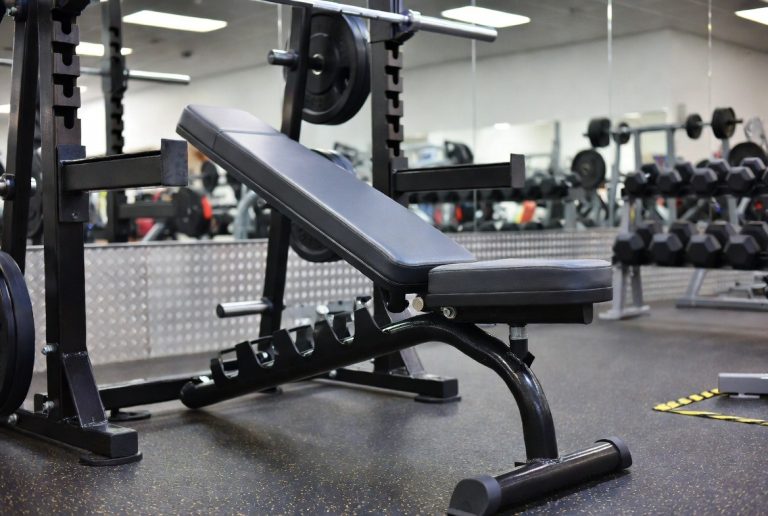
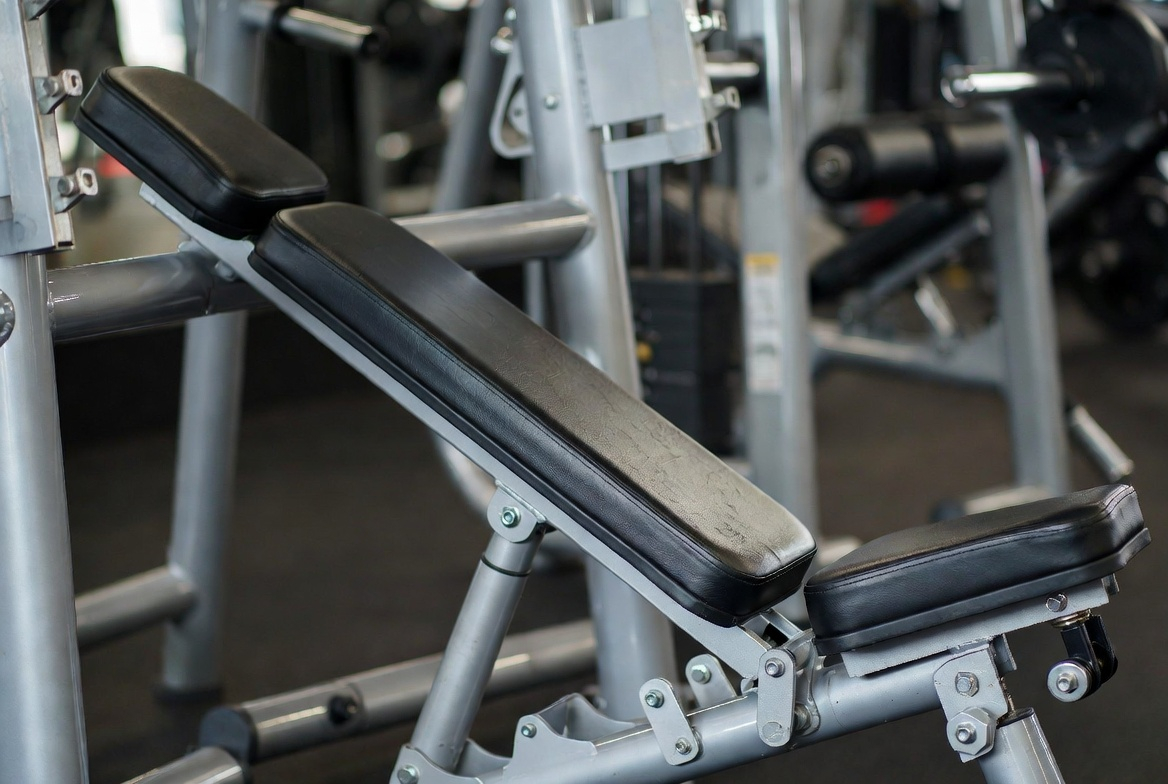
The incline bench press, on the other hand, involves an angled bench—usually set somewhere between 30 to 45 degrees. When you lie back on this inclined surface, you’re no longer pushing straight up. Instead, you’re pushing at an angle, which fundamentally changes which muscles bear the brunt of the work.
This subtle difference in angle creates a major difference in muscle activation, and that’s exactly what we’re diving into today.
The Primary Muscles: Chest Comparison
Flat Bench Press and Your Chest
When you perform a flat bench press, you’re primarily targeting your pectoralis major—that’s your main chest muscle. But here’s the thing: not all of your chest gets equal attention. The flat position emphasizes the middle and lower portions of your pectoral muscles. Think of it like casting a wide net across the horizontal plane of your chest.
The pectoralis major is a fan-shaped muscle with fibers running in different directions. On a flat bench, you’re hitting those fibers that run more or less horizontally, creating that classic chest-filling shape that bodybuilders aim for.
Incline Bench Press and Upper Chest Development
Now flip that bench up at an angle, and everything changes. The incline bench press shifts the emphasis to your upper pectoralis major—specifically the clavicular head of the chest. This is the upper, more frontal portion of your chest muscle. If the flat bench builds a wide chest, the incline builds height and definition in the upper chest area.
This is why you’ll see competitive bodybuilders and aesthetic athletes alternating between incline and flat work. The incline gives you that upper chest separation and creates more visual pop when you’re standing up and flexing. It fills in that space between your shoulders and the main body of your chest.
Secondary Muscles: The Supporting Cast
Anterior Deltoids in Both Variations
Your anterior deltoids—that’s the front portion of your shoulder muscles—get involved in both exercises, but the incline version really cranks up their participation. Why? Because when you’re pressing at an angle, your shoulders are naturally positioned to assist more with the movement. It’s like the incline automatically recruits your shoulders as stronger helpers.
In fact, some lifters complain that the incline bench feels more like a shoulder exercise than a chest exercise. This isn’t necessarily bad, but it’s important to recognize if you’re specifically trying to isolate chest development.
Triceps Involvement
Both variations use your triceps—the muscles on the back of your upper arm—as secondary movers. However, the flat bench press tends to distribute the work more evenly among the chest, shoulders, and triceps. The incline shifts some of that triceps responsibility, though your triceps are still actively involved in lockout and pressing strength.
Stabilizer Muscles: What You Might Not Be Thinking About
The Role of Your Upper Back
Here’s something most people don’t talk about: your upper back plays a stabilizing role in both movements, but differently in each. When you’re on an incline, your upper back has to work harder to stabilize you against the angled surface. Your rhomboids and rear deltoids activate more intensely to support your pressing motion.
On a flat bench, your upper back still stabilizes, but the horizontal positioning makes it slightly easier. The force vectors are more straightforward, so stabilization demands are reduced.
Core Engagement
Your core muscles, including your rectus abdominis and obliques, engage during both movements. However, the incline position actually demands more core stabilization because you’re fighting against gravity at an angle. It’s like the difference between holding a plank straight and holding one on a slope—the slope is harder.
Biomechanics: The Science of Pressing Angles
Let’s get a bit technical for a moment. The angle of the bench fundamentally changes the line of force production. On a flat bench, the barbell travels in a relatively straight vertical path from your chest to the lockout position. This creates a mechanical advantage that allows you to typically lift more weight.
With the incline, the angle of force changes. You’re pressing both upward and slightly backward, which shifts mechanical advantage slightly away from pure pressing strength and more toward shoulder and upper chest activation. This is why most people can’t lift as much weight on an incline as they can on a flat bench—it’s not that you’re weaker on the incline, it’s that the angle distributes the load differently.
Range of Motion Differences
How Angle Affects Your Stretch
The range of motion differs between these two exercises more than people realize. On a flat bench, you achieve a deep stretch in your chest when you lower the weight because your arms can descend past your torso level. This full stretch is crucial for muscle development because stretching under tension creates the stimulus for muscle growth.
On an incline, your range of motion is somewhat limited by the angle. You can’t achieve quite the same stretch in your chest because the bench prevents your lower chest from stretching as aggressively. However, you do get an excellent stretch in your upper chest and anterior deltoids.
Weight Lifted: Strength Comparisons
Let’s address the elephant in the room: most people can lift significantly more weight on a flat bench than on an incline. This isn’t a personal failing—it’s biomechanics. The flat bench position is more mechanically advantageous, allowing you to generate more force.
If you’re typically benching 225 pounds flat, you might only be able to handle 185-195 pounds on the incline. This weight difference is normal and expected. Don’t let your ego take a hit when you load less weight on the incline bar. You’re achieving a completely different training stimulus, not attempting the same movement.
Practical Applications: When to Use Each Exercise
Building Overall Chest Mass
If your primary goal is building a large, well-rounded chest, you need both movements. The flat bench builds the mass and thickness of your chest, while the incline adds height and upper chest definition. Together, they create a complete chest development that looks impressive from every angle.
Aesthetic Improvements
For those focused on aesthetics and how their chest looks when they take their shirt off, the incline bench press is non-negotiable. It’s the exercise that creates that visible upper chest separation and fills in the space between your clavicles. Many beginners neglect the incline and then wonder why their chest looks flat and undefined.
Strength Development
If you’re training for maximal strength, the flat bench press should be your priority. It allows you to handle more weight and builds the kind of pressing strength that transfers to other movements. The incline is still valuable, but it’s supplementary for pure strength goals.
Programming: How to Include Both in Your Routine
The Push Day Split
Many lifters program a “push day” where they perform pressing movements together. A smart approach would be to start with your primary goal. If you want a bigger chest, begin with flat bench while you’re fresh and can handle heavy weight. Follow this with your incline work for higher reps and more volume.
A sample setup might look like this:
- Flat Bench Press: 4 sets of 6-8 reps (heavier, strength focus)
- Incline Bench Press: 3 sets of 8-10 reps (moderate weight, hypertrophy)
- Dumbbell Flyes or Cable Work: 3 sets of 10-12 reps (isolation, pump)
Weekly Frequency
Some lifters train chest twice per week, using one session for flat work and another for incline work. This allows you to dedicate quality effort to both movements while giving muscles adequate recovery time. Others alternate every other week, focusing on flat one week and incline the next.
Experiment with different approaches and see what your body responds to best. Individual recovery and genetics play a role in what works optimally.
Common Mistakes People Make
Neglecting the Incline Entirely
I see this constantly in gyms. Lifters hammer flat bench day after day but completely ignore the incline. This creates an imbalanced chest with weak upper development and poor aesthetics. Don’t make this mistake. Include incline work regularly in your programming.
Using Too Much Weight on the Incline
Ego lifting on the incline is real. Guys load up weight they can barely control and end up bouncing it off their chest or getting excessive shoulder and arm involvement. Light weight with perfect form on the incline beats heavy weight with sloppy technique every time.
Ignoring Form Differences
Form should differ slightly between these movements. On incline, you might grip slightly wider and focus on using your chest rather than your shoulders. On flat bench, you can go slightly narrower and rely more on pure pressing strength. Adjust your technique to match the exercise.
Individual Variations: Dumbbell vs Barbell
Both exercises can be performed with dumbbells or a barbell, and each offers unique advantages. Barbell work allows heavier loading and is generally better for pure strength development. Dumbbell work provides greater range of motion and requires more stabilization from supporting muscles, which can produce different hypertrophy benefits.
Many athletes perform barbell work first for strength, then switch to dumbbells for secondary sets to maximize the benefits of each tool.
Recovery Considerations
Both pressing movements are demanding on your central nervous system and your joints, particularly your shoulders and elbows. Adequate recovery between sessions is essential. Most lifters should wait at least 48 hours before hitting heavy pressing again.
Additionally, shoulder health is crucial. If you experience shoulder pain during either movement, it’s not something to push through. Address the underlying issue—whether it’s form, flexibility, or previous injury—before continuing heavy pressing.
Conclusion
The incline bench press and flat bench press are not competing exercises—they’re complementary movements that together create a complete chest development strategy. The flat bench press emphasizes your middle and lower chest, allows you to lift heavier weight, and builds the foundational mass of your chest. The incline bench press targets your upper chest and anterior deltoids, creating aesthetic definition and separation that’s visible when you’re standing up.
If you’re serious about building a complete, impressive chest, you need both. Start your training with whichever aligns with your primary goal, then follow up with the other movement at a slightly higher rep range. Over months and years of consistent training with both variations, you’ll develop a chest that’s not only strong but visually impressive from every angle. Stop choosing between them—choose to master both.
Frequently Asked Questions
Can the incline bench press replace the flat bench press in my routine?
While the incline bench press is an excellent exercise, it shouldn’t completely replace flat bench pressing if your goal is comprehensive chest development. The flat bench builds the foundational mass and thickness of your chest, particularly the middle and lower portions. The incline targets different areas—specifically the upper chest. For optimal results, include both movements in your training program, adjusting frequency and volume based on your specific goals.
Why is my incline bench press so much lighter than my flat bench press?
The weight difference is completely normal and expected. The incline position changes the biomechanics of the movement, making it mechanically less advantageous. You’re pressing at an angle, which reduces your mechanical leverage and requires more stabilization. Additionally, your anterior deltoids and upper chest, which are more emphasized on the incline, are typically not as strong as your overall pressing muscles. A 15-25 percent reduction in weight compared to flat bench is normal and nothing to be concerned about.
How often should I perform incline bench press if I already do flat bench?
This depends on your training frequency and recovery capacity. If you train chest twice per week, you could dedicate one session to flat bench and another to incline. If you train chest once weekly, you might alternate weeks or include both in a single session—flat first for heavy strength work, then incline for supplementary volume. Most lifters benefit from hitting the incline at least once per week for adequate upper chest development.
Does the incline bench press work shoulders more than the flat bench?
Yes, the incline bench press does involve more anterior deltoid activation compared to the flat bench due to the angled pressing direction. However, this doesn’t mean it’s a shoulder exercise—it’s still primarily a chest movement with increased shoulder involvement. If you feel your shoulders dominating the movement rather than your chest, focus on your form, ensure your elbows are at an appropriate angle, and avoid using excessive weight that forces compensation patterns.
Which bench press variation is better for beginners?
Beginners should start with the flat bench press as their primary pressing movement. The flat bench is more intuitive to learn, allows for more stable movement patterns, and builds a strong foundation of pressing strength. Once comfortable with flat bench form and strength, beginners should incorporate incline work to develop upper chest and prevent imbalances. This progression follows the natural learning curve and builds a complete foundation for long-term training success.
“`