How High Is a Work Bench? The Complete Guide to Finding Your Perfect Working Height
If you’ve ever spent hours hunched over a work surface, wondering why your back aches by day’s end, you’re not alone. The height of your work bench might be the silent culprit behind your discomfort. Many people overlook this seemingly simple detail, yet it plays a crucial role in your productivity, comfort, and long-term health. Let me walk you through everything you need to know about work bench heights and how to find the perfect fit for your unique needs.
Understanding the Standard Work Bench Height
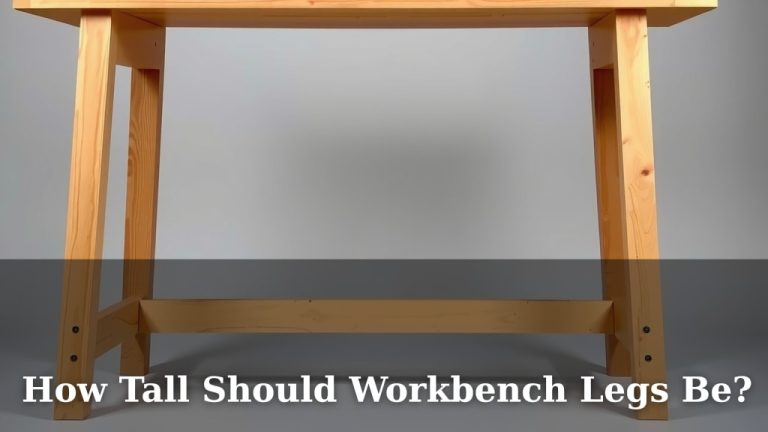
When manufacturers design work benches, they typically follow certain industry standards. The most common standard height for a work bench sits around 30 to 36 inches from the floor. However, this isn’t a one-size-fits-all solution. Think of it like shoe sizes—just because the average shoe size exists doesn’t mean it fits everyone perfectly.
The reason for this range comes down to ergonomics and the nature of the work being performed. Light assembly work, detailed tasks, and heavy-duty fabrication all benefit from slightly different heights. Understanding these nuances helps you make an informed decision about your workspace.
The Standard 30-36 Inch Range Explained
This 30 to 36-inch range has become the industry default because it accommodates most people comfortably. It’s high enough that you don’t have to bend excessively, yet low enough that you maintain control over your work. If you think about kitchen counters, they typically sit at 36 inches—a height that feels natural for most adults when standing and working.
Why Work Bench Height Matters More Than You Think
Choosing the right work bench height isn’t merely about comfort, though that’s certainly important. The correct height directly impacts your efficiency, accuracy, and physical well-being. Let me explain why this matters so much.
The Ergonomic Connection
Your body has an optimal working angle. When your work bench is too high, you’re forced to raise your shoulders and arms, creating tension in your neck and upper back. Conversely, if it’s too low, you’ll find yourself bending forward excessively, straining your lower back and making it difficult to see your work clearly.
The ideal position keeps your elbows at approximately 90 degrees when your arms hang naturally at your sides. Your eyes should have a comfortable downward gaze angle of about 15 to 20 degrees. This positioning minimizes strain and allows you to work for extended periods without fatigue.
Productivity and Precision
Have you ever noticed how your work quality decreases when you’re uncomfortable? When your work bench height is incorrect, you’re fighting against your own physiology. You might make more mistakes, work slower, or need to take frequent breaks. The correct height allows you to enter a state of flow where you’re focused entirely on your task rather than your discomfort.
Long-Term Health Implications
Working at an improper height day after day can lead to chronic pain, repetitive strain injuries, and postural problems. These issues develop gradually, often without you realizing the cause. By investing time now to get your work bench height right, you’re investing in your future health.
How to Calculate Your Ideal Work Bench Height
Determining your perfect work bench height is simpler than you might think. It starts with understanding your body and the type of work you’ll be doing.
The Elbow Rule Method
Here’s a practical approach that works for most people: stand naturally with your arms relaxed at your sides. Have someone measure the distance from the floor to your elbows. This measurement is typically your ideal work bench height. For most adults, this falls somewhere between 28 and 40 inches, though the average hovers around 34 inches.
This method works because it acknowledges that we’re all built differently. Someone who’s 5’2″ will have a different ideal height than someone who’s 6’3″. Using your own body as the measuring tool takes the guesswork out of the equation.
Adjusting for Task Type
Different activities benefit from slightly different heights. Fine detail work, like jewelry making or electronics assembly, might call for a bench that’s an inch or two higher than your elbow height, allowing your work to come closer to your eyes. Heavy work, like woodworking or metalworking, might benefit from a slightly lower surface to give you better leverage and control.
- Fine Detail Work: Elbow height plus 1-3 inches
- General Assembly: Right at elbow height
- Heavy-Duty Fabrication: Elbow height minus 2-4 inches
- Standing Light Tasks: Elbow height plus 1-2 inches
Common Work Bench Heights for Different Applications
Let’s look at how different industries and activities approach work bench heights.
Woodworking Benches
Woodworkers often prefer benches at the higher end of the spectrum, around 34 to 36 inches. This height provides good visibility of the work surface and allows for effective use of hand planes and chisels. Many experienced woodworkers even customize their benches to personal preferences, sometimes going slightly higher or lower depending on their height and working style.
Metalworking and Fabrication
Metal workers frequently use benches in the 30 to 34-inch range. This lower height offers better leverage when working with heavier materials and provides more control when using vises and other fixtures. The slightly lower surface brings the work closer to your body, improving stability and control.
Electronics and Jewelry Work
Precision crafts demand visibility and control. Electronics technicians and jewelers often work at benches that are 36 to 40 inches high, sometimes even higher. This elevated position brings their detailed work within ideal viewing distance and reduces eye strain during extended work sessions.
General Purpose and Assembly
For multipurpose work benches used in garages, workshops, or makerspaces, the standard 32 to 36-inch height works well for most people. This height accommodates a wide variety of tasks without requiring multiple benches at different heights.
Adjustable Work Benches: A Game Changer
If you’ve been following along and thinking, “All of this sounds great, but I can’t build multiple benches at different heights,” there’s good news. Adjustable work benches have revolutionized how people approach their workspace setup.
Why Consider an Adjustable Bench?
An adjustable work bench offers flexibility that fixed benches simply cannot match. Whether you’re sharing your workspace with others of different heights, or you work on multiple types of projects requiring different heights, an adjustable bench adapts to your needs.
Modern adjustable benches come with crank handles, electric motors, or pneumatic systems that make height adjustment quick and effortless. Some can adjust from a low of 28 inches to a high of 45 inches or more, giving you complete flexibility.
Weighing the Pros and Cons
Adjustable benches offer tremendous benefits, but they do come with considerations. They’re typically more expensive than fixed benches and may require more maintenance. The adjustment mechanisms can add complexity. However, if you value versatility and are willing to invest in your workspace, the benefits often outweigh these drawbacks.
Factors Beyond Height That Affect Comfort
While height is crucial, it’s not the only factor in creating a comfortable work environment.
Work Surface Material
The material your work surface is made from affects comfort and functionality. Hard surfaces like steel or dense wood provide excellent durability but offer less cushioning. Softer surfaces can reduce fatigue but may wear out faster with heavy use. Consider what material works best for your specific applications.
Bench Depth and Width
The depth of your bench affects how far you need to reach to access tools and materials. A typical work bench is 24 to 30 inches deep. Width varies depending on your space and needs, but wider benches give you more room to spread out materials and tools.
Lighting and Visibility
Even the perfect height won’t help if you can’t see your work clearly. Adequate lighting is essential for reducing eye strain and improving accuracy. Consider task lighting that illuminates your work surface without creating harsh shadows.
Support and Legroom
The stability of your bench affects your ability to work safely and comfortably. A wobbling work bench creates frustration and potential safety hazards. Additionally, ensure there’s adequate legroom under the bench so you’re not cramped when standing close to your work.
Measuring Your Current Workspace
If you already have a work bench or are evaluating an existing setup, here’s how to measure whether it’s the right height for you.
The Practical Assessment
Spend 30 minutes working at your bench just as you normally would. Pay attention to how your body feels. Are you hunching? Are your shoulders elevated? Is your neck strained? After this trial period, trust your body’s feedback. If something feels wrong, it probably is.
Take a measurement from the floor to the top surface of your bench. Compare this to your calculated ideal height. Even small differences—an inch or two—can make a noticeable impact on comfort over the course of a day.
Solutions for Height Mismatches
If your current work bench isn’t at the perfect height, don’t worry. You have several options.
Adding Risers or Shims
If your bench is too low, you can raise it using risers, blocks, or shims. Furniture risers designed to go under chair and table legs work well for this purpose. Make sure whatever you use is stable and raises the bench evenly on all sides.
Adjustable Feet or Levelers
Installing adjustable feet under your bench legs provides both leveling and height adjustment capabilities. These are particularly useful if your floor is uneven, which many workshop floors are.
Building a New Bench
If you’re handy and your bench is significantly wrong for your needs, building a new one might make sense. A simple work bench is well within the capabilities of most DIYers, and you can customize it to your exact specifications.
Special Considerations for Sitting vs. Standing
Not all work is done standing. If you do seated work, the height calculation changes.
Seated Work Bench Heights
When sitting, your work bench should be approximately 10 to 12 inches above your seated elbow height. This typically translates to a bench height of 36 to 42 inches for most people when seated in a standard chair. The exact height depends on your chair height and your own proportions.
Hybrid Arrangements
Some people work both sitting and standing. In these cases, a height that’s comfortable for standing work (around 32 to 36 inches) often works reasonably well for seated work if you have an adjustable chair. Alternatively, using a footrest when seated can help you achieve better positioning at a standing-height bench.
Real-World Examples and Case Studies
Let me share some practical examples of how different people have solved their work bench height challenges.
The Tall Woodworker
James is 6’4″ and works primarily with wood. The standard 36-inch benches felt too low for him, causing lower back strain. By building a custom bench at 40 inches, he eliminated his discomfort and found his work quality improved. His extra height required a non-standard approach, but the investment paid off in comfort and productivity.
The Shared Workspace
Maya and her brother share a garage workshop. She’s 5’3″ and he’s 5’11”. Rather than building separate benches, they invested in an adjustable workbench with an electric lift. It adjusts from 28 to 46 inches, allowing each of them to work at their ideal height. The convenience of a single bench that works for both of them outweighs the additional cost.
Industry Standards and Guidelines
Various organizations and standards bodies have recommendations for work bench heights, particularly for safety and productivity in industrial and professional settings.
OSHA and Ergonomic Standards
The Occupational Safety and Health Administration (OSHA) emphasizes ergonomic considerations in workplace design. While specific bench heights aren’t mandated, the principles are clear: work surfaces should be positioned to minimize strain and fatigue. Most guidance aligns with the elbow-height principle mentioned earlier.
Professional Organization Recommendations
Different trades have developed their own best practices. The Woodworking Institute, various metalworking associations, and electronics manufacturing organizations all provide guidance based on decades of experience in their respective fields.
Making the Investment in Your Workspace
Getting your work bench height right is an investment in your craft, your productivity, and your health. It might seem like a small detail, but the accumulated impact over weeks, months, and years is significant.
Whether you’re adjusting an existing bench, building a new one, or purchasing a professional-grade work station, take time to get the height right. Your future self will thank you for the comfort and productivity gains you’ll experience.
Conclusion
The question of how high a work bench should be doesn’t have a single answer, but rather a personalized solution based on your unique needs. The standard range of 30 to 36 inches serves as a starting point, but your ideal height depends on your body, your type of work, and your specific circumstances. Using the elbow-height method, you can calculate your own ideal height in minutes. From there, assess whether your current setup matches your needs, and make adjustments accordingly. Whether you use risers, invest in an adjustable bench, or build a custom solution, prioritizing proper work bench height pays dividends in comfort, accuracy, and long-term health. Don’t overlook this seemingly simple aspect of workspace design—it’s one of the most impactful improvements you can make to how and where you work.
Frequently Asked Questions
What is the most common work bench height?
The most common work bench height is 36 inches from the floor. This standard measurement has become widely adopted because it works reasonably well for many people and tasks. However, this doesn’t mean it’s ideal for everyone. Your personal ideal height should be calculated based on your own body dimensions and the specific work you perform.
How do I know if my work bench is too high or too low?
If your bench is too high, you’ll experience shoulder and neck strain from having to raise your arms. If it’s too low, your lower back will hurt from bending forward. You might also notice poor work quality, eye strain, or that you fatigue quickly. The best test is to work for 30 minutes and listen to what your body tells you.
Can I use the same bench for both sitting and standing work?
Yes, though compromises are necessary. A height around 34 to 36 inches works reasonably well for both, though it won’t be perfect for either. An adjustable workbench is the ideal solution if you need to work both sitting and standing. Alternatively, using an adjustable chair with a footrest for seated work can help accommodate a standing-height bench.