How Does Bench Press Work Chest Muscles? The Complete Guide to Building a Stronger, More Defined Chest
Have you ever wondered why the bench press is considered the king of upper body exercises? If you’ve spent any time in a gym, you’ve probably seen someone pumping iron on a bench, pushing weight away from their body with focused intensity. There’s a reason this exercise has remained a staple for decades—it genuinely works, and it works remarkably well for developing chest muscles.
But here’s the thing: just because you’re doing the exercise doesn’t mean you’re doing it correctly or understanding what’s actually happening to your muscles during those reps. In this guide, we’re going to break down exactly how the bench press engages your chest, explore the biomechanics behind it, and show you how to maximize your results.
Understanding Your Chest Anatomy: The Foundation of Everything
Before we dive into how the bench press works your chest, we need to understand what we’re actually working with. Your chest isn’t just one single muscle—it’s a complex system of muscles working together in harmony.
The Pectoralis Major: Your Primary Chest Muscle
The pectoralis major is the larger, more superficial chest muscle that most people are thinking about when they want to build a bigger chest. This muscle is like the engine of your chest development. It’s divided into different sections: the upper chest (clavicular head), the middle chest (sternal head), and the lower chest. When you perform a bench press, you’re primarily targeting this muscle group, and depending on the angle of the bench, you can emphasize different portions of it.
The Pectoralis Minor: The Unsung Hero
Underneath the pectoralis major lies the pectoralis minor, a smaller but equally important muscle. While it doesn’t get as much attention in fitness circles, this muscle plays a crucial role in shoulder stability and positioning during the bench press. You’re not going to see dramatic growth here, but activating it contributes to a more complete upper body workout.
Serratus Anterior: Your Stabilizer Muscle
Along the sides of your ribcage, you’ll find the serratus anterior. This muscle acts as a stabilizer during pressing movements. Think of it as the safety net that helps keep everything stable and secure while you’re moving weight. A strong serratus anterior not only helps you lift more weight but also contributes to that coveted aesthetic of well-defined side chest muscles.
The Biomechanics of the Bench Press: How the Movement Actually Works
Now that we understand the muscular landscape, let’s talk about what happens mechanically when you perform a bench press.
The Starting Position: Setting Yourself Up for Success
When you lie on a bench with the barbell positioned above your chest, you’re establishing what we call the starting position. Your feet are firmly planted on the floor, your back is pressed against the bench, and your hands grip the bar at approximately shoulder-width apart. This isn’t just comfortable positioning—it’s biomechanically strategic. Your feet anchored to the ground create a stable base that allows force transfer from your legs through your core and into the pressing movement.
The Eccentric Phase: The Lowering Portion
As you lower the barbell toward your chest, you’re entering the eccentric phase. During this phase, your muscles are lengthening under tension. This is where a lot of the magic happens for muscle growth. Your chest muscles are actively resisting the weight as gravity tries to pull it down toward you. This resistance causes microscopic tears in the muscle fibers—and before you worry, that’s actually a good thing. Those tears are the signal your body uses to rebuild muscle tissue stronger and larger.
The Bottom Position: Maximum Stretch and Tension
When the barbell reaches your chest, you’ve reached what we call the bottom position. At this moment, your chest muscles are maximally stretched. This deep stretch under load is incredibly valuable for muscle development. It’s similar to how a rubber band becomes more elastic when you stretch it fully—your muscles respond similarly, adapting to handle greater stretches with greater force.
The Concentric Phase: The Pressing Movement
Now comes the exciting part—the push. As you drive the barbell away from your body, your chest muscles shorten and contract. This is the concentric phase, and it’s where you’re actively generating force. Your pectoralis major is contracting maximally, pushing the weight up and away from your body. The angle at which you’re pushing determines which fibers of your chest muscles are being emphasized most intensely.
Chest Muscle Activation During Different Bench Press Variations
Not all bench presses are created equal. Different variations emphasize different portions of your chest muscles, and understanding these differences helps you train more intelligently.
Flat Bench Press: The All-Around Chest Builder
The traditional flat bench press is the version most people think of when they picture bench pressing. With your torso parallel to the ground, you’re creating an ideal angle for overall chest activation. The flat bench press does an excellent job of engaging the entire pectoralis major, making it the most balanced approach to chest development. It’s the reason this variation has remained the standard for so long—it simply works across the entire chest effectively.
Incline Bench Press: Upper Chest Specialist
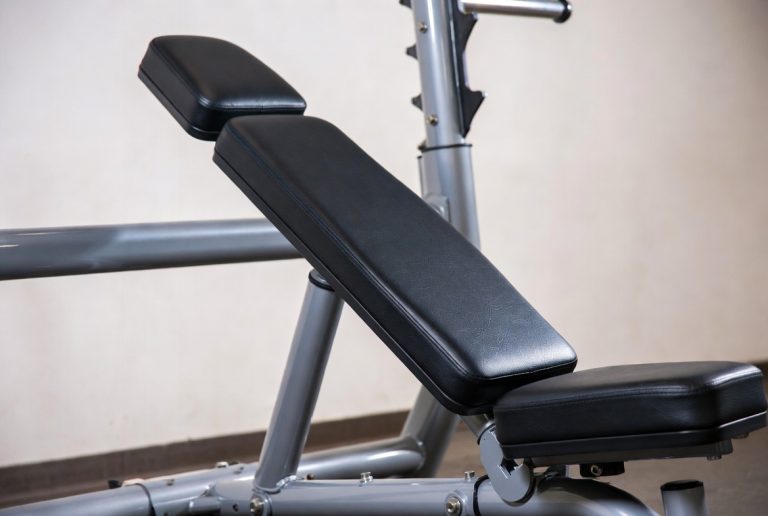
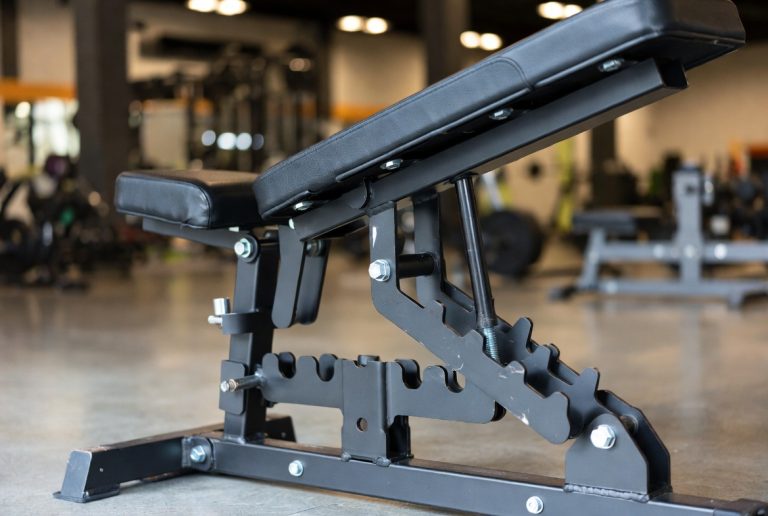
When you adjust the bench to an incline position, you’re changing the angle of the pressing movement. This shift in angle means your upper chest fibers are now working harder to drive the weight upward. If you want to develop that impressive upper chest definition that really pops, the incline bench press is your go-to exercise. The angle forces your shoulders to be more involved in the movement, so you’re also getting secondary activation there.
Decline Bench Press: Lower Chest Focus
On the flip side, a decline bench press emphasizes the lower portion of your chest. By tilting your torso downward, the pressing angle shifts, and your lower chest fibers take on more of the workload. This variation is particularly useful if you want to build a more complete chest with impressive lower chest definition.
Dumbbell Bench Press: Individual Muscle Activation
Using dumbbells instead of a barbell creates a slightly different stimulus for your chest muscles. Because each side works independently, you can’t rely on one side compensating for the other. This forces each side of your chest to work harder, and you also get increased range of motion. Many lifters find that dumbbell pressing provides a deeper stretch and a more intense chest contraction.
The Role of Other Muscles During the Bench Press
While the chest is definitely the star of the show, it’s important to understand that the bench press is fundamentally a compound movement. That means other muscles are significantly involved in the exercise.
Triceps: The Secondary Movers
Your triceps are the muscles on the back of your upper arms, and they’re heavily involved in bench pressing. When you’re pushing the weight up and away from your chest, your triceps are extending your elbows, which is their primary function. Depending on your grip width and technique, triceps can be anywhere from a secondary muscle to almost equally involved with your chest. Wider grip benching tends to emphasize the chest more, while narrower grip benching shifts more of the load to the triceps.
Anterior Deltoids: Your Shoulder Involvement
Your anterior deltoids, the front portion of your shoulders, are activated during the bench press as well. They work in conjunction with your chest to push the weight away from your body. This is why bench pressing isn’t purely a chest exercise—it’s an upper body compound movement that requires coordination among multiple muscle groups.
Core Muscles: The Stability Factor
You might not initially think of your core as being involved in bench pressing, but a stable core is absolutely essential for proper execution. Your abdominal muscles and lower back muscles engage to keep your torso stable against the bench, allowing for more efficient force transfer. A weak core means energy is wasted on stabilization rather than being directed into the lift.
Progressive Overload: How Your Chest Muscles Grow From Bench Pressing
Understanding how muscles grow is crucial to understanding why the bench press is so effective. The principle of progressive overload is key here.
Muscle Damage and Repair Cycle
When you perform bench press repetitions, you’re creating microscopic damage to your muscle fibers through that eccentric and concentric work we discussed earlier. This damage is the stimulus. Your body then responds by repairing those damaged fibers and making them slightly larger and stronger to handle greater stress in the future. This cycle repeats with each training session, leading to gradual but consistent muscle growth.
Adding Weight Over Time
The most direct form of progressive overload is adding weight to the bar. When you can comfortably perform your target repetitions, you increase the load. This greater stress forces your muscles to adapt further, triggering additional growth. This is why tracking your lifts is so important—you’re creating a roadmap of your progression that ensures you’re continuously challenging your chest muscles.
Increasing Volume Through Higher Reps or Sets
Progressive overload isn’t just about adding weight. You can also increase the total volume of work by adding more repetitions or additional sets. If you’re doing three sets of eight reps, you might progress to three sets of ten reps before increasing the weight. This approach also effectively stimulates muscle growth, especially when you’re newer to training.
Proper Form: The Essential Element for Maximum Chest Activation
Here’s something crucial that many gym-goers overlook: sloppy form doesn’t just limit your results—it can actually prevent your chest from being properly engaged.
Foot Placement and Stability
Begin with your feet firmly planted on the floor, roughly shoulder-width apart. Your feet should be far enough back that your knees are at roughly a ninety-degree angle. This creates a stable base from which you can generate power. Never neglect your feet—they’re literally your foundation for the entire lift.
Back Position and Bench Contact
Your back should maintain contact with the bench throughout the movement. Some natural arch in your lower back is acceptable and actually beneficial for safety, but you shouldn’t be arching excessively. Your shoulder blades should be retracted—think about pinching them back slightly—which creates stability and allows your chest to be in the optimal position for pushing.
Grip Width and Hand Position
Your hands should grip the bar at approximately shoulder-width apart. This is the sweet spot that allows for balanced activation across your entire chest. If your grip is too narrow, you’ll shift the emphasis toward your triceps. Too wide, and you might sacrifice range of motion and put unnecessary stress on your shoulders. Your wrists should remain relatively straight, not bent backward excessively.
The Descent Path
As you lower the weight, control the descent. Don’t drop the weight explosively—this wastes the valuable eccentric stimulus. Lower the barbell in a controlled manner until it lightly touches your chest, roughly around nipple level. This ensures maximum range of motion and chest engagement.
The Pressing Path
When you drive the weight upward, aim for a slight angle—not straight up. The bar should move from your chest slightly upward and slightly backward, which is the natural path for optimal chest muscle activation. Press the weight until your elbows are nearly locked but not completely hyperextended.
Training Frequency and Recovery: Growing Your Chest Muscles
Understanding how to train your chest effectively goes beyond just the exercise itself. Recovery and frequency matter tremendously for growth.
How Often Should You Train Your Chest?
Most evidence suggests that training your chest two times per week, with adequate recovery between sessions, produces optimal results for most people. This allows you to hit your chest with sufficient volume and intensity while giving it time to recover. If you’re training your chest only once per week, you might be leaving gains on the table. If you’re training it more than three times per week, you might not be allowing adequate recovery.
The Importance of Rest Days
Your muscles don’t grow in the gym—they grow during recovery. This is when your body is repairing those micro-tears and building new muscle tissue. Without adequate sleep and rest days, your chest muscles never get the opportunity to fully recover and grow. Aim for at least seven to nine hours of quality sleep per night, and avoid training the same muscle group on consecutive days.
Nutrition and Protein: Fueling Chest Growth
Even if you’re performing the bench press perfectly, without proper nutrition, your chest muscles won’t grow optimally.
Protein Requirements for Muscle Growth
To build muscle tissue, you need adequate protein. Most research suggests consuming approximately 0.7 to 1 gram of protein per pound of body weight daily. This provides your muscles with the amino acids they need to repair and grow from your training stimulus.
Caloric Surplus for Building
If you want to prioritize chest growth, you generally need to be in a slight caloric surplus—consuming more calories than you burn. This provides your body with the extra energy and building blocks necessary for muscle tissue development. A small surplus of around 300 to 500 calories above maintenance typically produces excellent muscle growth with minimal fat gain.
Common Bench Press Mistakes That Limit Chest Development
Many people perform the bench press regularly but never achieve the chest development they’re after because of preventable mistakes.
Using Too Much Weight and Sacrificing Range of Motion
This is probably the most common error. Using weight that’s too heavy forces you to shorten your range of motion. You might not descend all the way to your chest, or you might bounce the weight at the bottom. This reduces the stimulus to your chest muscles significantly. Remember, full range of motion with slightly lighter weight often produces better results than partial reps with heavy weight.
Neglecting Eccentric Control
Many lifters explosively lower the weight, using momentum rather than controlling the descent. This is leaving growth on the table. Taking two to three seconds to lower the weight maximizes the eccentric stimulus, which is absolutely crucial for muscle development.
Pressing with Your Arms Instead of Your Chest
Some people perform the bench press using primarily their arms and shoulders rather than focusing on chest contraction. To avoid this, think about driving your chest toward the bar rather than driving the bar away from your body. Mentally focus on squeezing your chest muscles throughout the movement.
Inadequate Warm-Up
Jumping straight into heavy weight without warming up properly reduces chest activation. A proper warm-up, including light cardio and some dynamic stretching, increases blood flow to your muscles and prepares them for work, enhancing their responsiveness to the stimulus.
Programming Strategies: Maximizing Chest Development
Now that you understand how the bench press works your chest, let’s talk about how to structure your training to maximize results.
Combining Variations for Balanced Development
Rather than doing only flat bench pressing, incorporate incline and decline variations into your routine. This ensures you’re developing your entire chest comprehensively. A sample week might include a heavy flat bench session, a higher-rep incline session, and a moderate-weight dumbbell session. This variety prevents plateaus and ensures complete chest development.
Incorporating Accessory Exercises
Supplement your bench pressing with exercises like cable flyes, push-ups, and machine presses. These exercises provide different stimulus angles and can help target weak points in your chest development. They also provide variety that keeps training interesting and engaging.