Incline Bench vs Flat Bench Muscles Worked: Expert Training Guide
Introduction: Understanding the Bench Press Debate
If you’ve spent any time in a gym, you’ve probably witnessed the age-old debate between lifters about whether the incline bench or flat bench reigns supreme. It’s like asking someone whether they prefer coffee or tea—everyone seems to have a passionate opinion. But here’s the thing: this isn’t really a question of one being better than the other. They’re actually two different tools designed for slightly different purposes, and understanding how each one works will transform your training approach.
The bench press is undoubtedly one of the most fundamental upper body exercises. Whether you’re a competitive powerlifter, a bodybuilder chasing that perfect physique, or simply someone looking to build strength and muscle, you’ve likely performed some version of this exercise. But the angle at which you perform it makes a surprisingly significant difference in which muscles get emphasized and how your body develops.
I want to walk you through exactly what happens when you change that bench angle, which muscles fire up in response, and how you can use both variations strategically in your training program. By the end of this guide, you’ll understand why having both in your arsenal isn’t just beneficial—it’s actually essential for balanced development.
Anatomical Differences Between Incline and Flat Benches
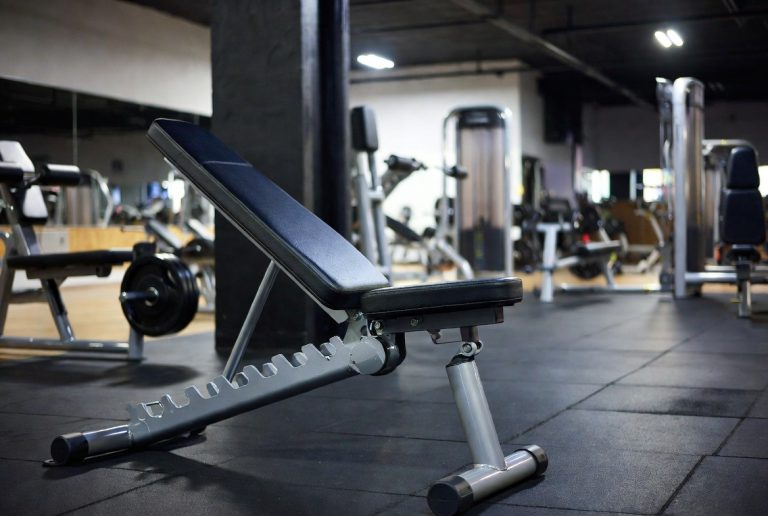
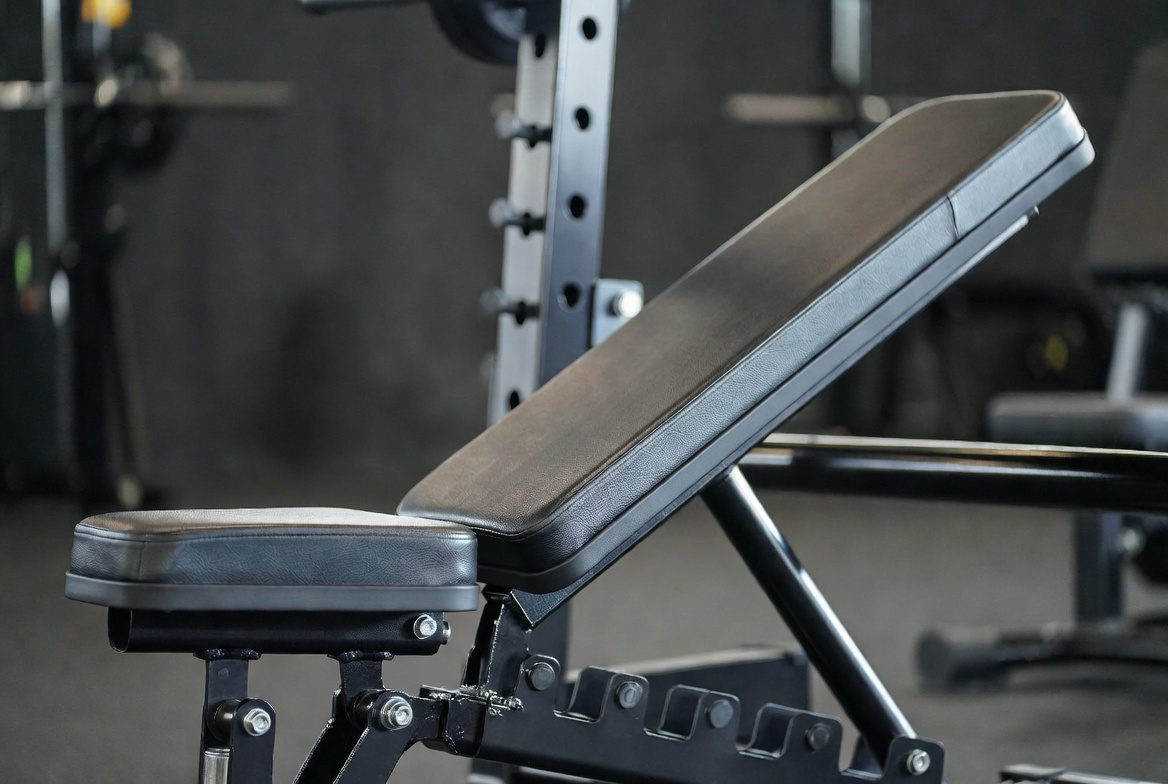
Let’s start with the basics. The primary difference between these two exercises is obviously the angle of the bench itself. A flat bench, as you’d expect, sits parallel to the ground at zero degrees. An incline bench, on the other hand, sits at an angle typically ranging from 30 to 45 degrees, with most lifters preferring somewhere around 45 degrees.
This seemingly small change in angle creates a cascade of biomechanical differences throughout your entire pressing movement. Think of it like tilting a ladder against a wall—the steeper you tilt it, the more different the climb becomes. Your body position changes, your trajectory through the movement changes, and consequently, which muscles bear the load changes as well.
When you’re on a flat bench, your torso remains perpendicular to the ground, and your arms press the weight straight up and slightly back toward your face. On an incline, your torso is elevated, which changes the entire pressing angle. Your arms now press upward and slightly forward, creating a completely different force vector.
Flat Bench Press: Primary Muscle Groups
The Pectoralis Major Takes Center Stage
The flat bench press is famous for one thing above all else: it’s an absolute powerhouse for building the mid-chest and lower chest. The pectoralis major, which is the large chest muscle you see in the mirror, gets hammered with the flat bench press. Specifically, you’re targeting the sternal head of the pectoralis major, which is the bulk of your chest muscle.
When you lie flat and press, the resistance travels in a path that naturally aligns with how the fibers of your mid-chest are oriented. It’s like pulling a rope straight up versus pulling it at an angle—the straight pull emphasizes the muscle differently. This is why the flat bench is the gold standard for building overall chest mass.
Triceps Work Effectively
Your triceps, the three-headed muscle on the back of your arm, are heavily involved in the flat bench press. Since you’re pressing a weight away from your body in a horizontal pattern, your triceps work hard to extend your elbows. Many lifters don’t realize just how much tricep development comes from consistent flat bench work, especially with moderate to heavy weights.
Anterior Deltoids Contribute Significantly
Your front shoulders, known as the anterior deltoids, are secondary movers in the flat bench press. They assist your chest in driving the weight upward, particularly in the initial phase of the movement. While they’re not the primary focus, they still get substantial stimulation, which contributes to shoulder development and pressing strength.
Incline Bench Press: Primary Muscle Groups
Upper Chest Gets the Primary Focus
Here’s where the incline bench shines. When you elevate the bench and change your pressing angle, you shift the emphasis significantly toward the upper chest. The clavicular head of the pectoralis major—that upper portion of your chest that connects to your collarbone—becomes the star of the show.
This distinction matters more than you might think. While the flat bench builds the bulk of your chest, the incline bench builds the upper chest, which creates that impressive fullness and separation that looks great in a t-shirt. It’s like building a complete house versus just focusing on the foundation—you need both for the best result.
Anterior Deltoids Take a Larger Role
Because you’re pressing upward at an angle, your front shoulders have to work significantly harder on the incline bench compared to the flat bench. This doesn’t mean your chest isn’t working—it absolutely is—but the anterior deltoids are under greater tension and mechanical stress. For shoulder development, the incline bench is phenomenal.
Triceps Still Get Worked, But Differently
Your triceps are still very much engaged in the incline bench press, but they’re working through a slightly different angle. Many lifters report feeling the tricep engagement differently on an incline, with some finding it less intense than on a flat bench. This can actually be beneficial if you’ve been experiencing elbow discomfort from flat bench work.
Secondary Muscles Activated in Both Variations
The Stabilizers Are Always Working
Beyond the primary movers, both the incline and flat bench press activate numerous stabilizer muscles. Your rotator cuff muscles, particularly the infraspinatus and supraspinatus, work to keep your shoulder joint stable throughout the movement. Your serratus anterior, the muscle on the side of your ribcage that wraps around your torso, activates to help stabilize and retract your scapula.
Core Muscles Provide Stability
People often underestimate how much core engagement is required during heavy pressing. Your rectus abdominis, obliques, and other core muscles work together to maintain a stable base and prevent your lower back from excessive arching. This is true for both bench variations, though some lifters find they need more core tension on the incline due to the angle.
- Pectoralis minor (under the pectoralis major)
- Latissimus dorsi (plays a stabilizing role)
- Rhomboids (assist with scapular positioning)
- Upper back muscles for stability
How Angle Changes Muscle Fiber Recruitment
This is where things get really interesting from a biomechanical standpoint. Your muscles are composed of individual fibers that run in specific directions. When you change the angle of the bench, you change the direction of force being applied to these fibers.
Think of your chest muscle like a traffic grid in a city. Different streets run in different directions. On a flat bench, you’re applying force along one set of streets. On an incline bench, you’re applying force along a different set. Both routes get you to your destination, but they use different roads to get there.
The upper chest fibers run at a different angle than the mid-chest fibers. When you’re on a flat bench, the line of force doesn’t align perfectly with the upper chest fibers, so they’re not maximally activated. But on an incline, your line of force becomes more parallel to these upper fibers, causing them to fire up with greater intensity.
This is a fundamental principle in exercise science: muscles are most effectively stimulated when the line of force is aligned with the direction of the muscle fibers. That’s why the incline bench is so effective for upper chest development and why the flat bench is so good for overall mass.
Strength Development Differences
Flat Bench for Raw Pressing Strength
If your goal is to develop maximum pressing strength, the flat bench is your friend. Because you can typically move more weight on a flat bench than an incline bench, the strength adaptations are often greater. Heavier loads create more mechanical tension, which is one of the primary drivers of strength adaptation in muscle tissue.
The flat bench also recruits more muscle mass overall because your chest gets more direct involvement. More muscle mass working together means more total force production, which translates to handling heavier weights and becoming stronger at the movement pattern.
Incline Bench Builds Functional Strength
While you might not be able to move as much weight on an incline bench, the strength you build carries over well to other exercises. The emphasis on anterior deltoids and upper chest translates beautifully to overhead pressing, push-ups, and other vertical pressing patterns. If you want to build pressing strength that’s more functional and translatable, incline work is invaluable.
Which Variation Is Better for Muscle Growth
Ah, the question everyone really wants to answer. Here’s the honest truth: both variations are excellent for muscle growth. The catch is that they grow different parts of your chest.
For overall chest mass, the flat bench press takes the crown. You can load it heavier, you can recruit more total muscle mass, and you can create more mechanical tension—all factors that drive muscle growth. If you could only do one bench variation and wanted maximum chest development, flat bench is your answer.
However, if you’ve ever seen someone with a complete, full-looking chest that looks good from every angle, I guarantee they’ve incorporated incline work. The upper chest adds a dimension to your physique that flat bench work alone simply cannot provide. It’s like the difference between a building with one side developed and a building that’s impressive from every direction.
The absolute best approach? Use both. The flat bench for the bulk of your chest development, and the incline bench to fill in the upper chest and create complete development. Many advanced lifters spend about 60 percent of their pressing volume on flat bench and 40 percent on incline work, with excellent results.
Comparing Range of Motion and Joint Stress
Range of Motion Differences
The incline bench actually allows for a slightly different range of motion than the flat bench. Because of the angled position, your arms come down at a different angle, and you might find you can get a deeper stretch in your upper chest. However, the overall range of motion is similar—you’re still moving through a comparable distance.
Some lifters find that the range of motion on an incline bench feels more natural for their shoulder structure, while others prefer the flat bench. This is where individual anatomy comes into play. Your exact shoulder joint anatomy, the length of your arms, and other factors determine which variation feels best for you.
Joint Stress Considerations
Many lifters find the incline bench easier on their elbows and shoulders, particularly if they’ve had issues with flat bench work. The different angle can reduce stress on the shoulder joint in certain directions. However, some lifters feel anterior shoulder stress on the incline bench due to the increased deltoid involvement.
The flat bench, when performed with proper technique, is generally very safe. However, some people experience elbow or shoulder discomfort from the flat bench position. If you’re in this camp, incline work might actually feel better, and you should absolutely incorporate it.
Programming Both Variations Into Your Workout
The Push/Pull Split Approach
One effective way to program both variations is to alternate them throughout your week. On one pushing day, make flat bench your primary pressing movement. On another pushing day, make incline bench your primary movement. This ensures you’re hitting both variations regularly while allowing adequate recovery between sessions.
For example, your week might look like this:
- Monday: Flat bench press as main movement, incline dumbbell press as accessory
- Thursday: Incline bench press as main movement, flat bench dumbbell press as accessory
The Complementary Approach
Another effective method is to use them in the same workout. You might start with your heavier flat bench work while you’re fresh, then follow up with incline work as a secondary movement. This allows you to handle heavy weight on flat bench while still getting the upper chest stimulus from incline work.
A sample workout might look like:
- Flat barbell bench press: 4 sets of 4-6 reps
- Incline dumbbell bench press: 3 sets of 8-10 reps
- Machine press or other accessory work
The Periodization Method
Some lifters cycle through phases where they emphasize one variation for several weeks, then switch to emphasizing the other. This approach works well if you’re recovering slowly or if you want to specifically target weakness in one area of your chest.
Common Mistakes When Using Each Variation
Flat Bench Mistakes
The most common error I see on flat bench is excessive elbow flare. Lifters assume that spreading their elbows wide is the correct form, but this actually puts unnecessary stress on the shoulder joint and reduces chest activation. Your elbows should be at approximately 45 degrees from your body, not perpendicular.
Another mistake is lowering the bar too far down the body, sometimes to the lower abdomen instead of the chest. This turns a chest exercise into more of an arm and shoulder exercise. The bar should touch your mid to lower chest, around nipple level.
Finally, bouncing the bar off your chest is a major no-no. I know it makes the weight feel lighter and your ego feel bigger, but you’re completely negating the eccentric (lowering) portion of the lift and potentially injuring yourself. Control the weight down with intention.
Incline Bench Mistakes
The biggest mistake with incline bench is setting the angle too steep. Many lifters use 60 or even 70-degree inclines, which turns the movement into almost a shoulder press. For maximum chest stimulation, stick with 30-45 degrees, with 45 degrees being ideal for most people.
Another error is reducing range of motion on the incline bench. Since it’s harder than flat bench, people sometimes use a partial range of motion. This actually reduces the stimulus to the muscles and limits your results. Go deep and controlled every rep.
Some lifters also make the mistake of using too much weight on incline bench. Your ego might want to load it with the same weight you use on flat bench, but you’ll be able to handle less weight on an incline. Using weight that’s too heavy forces you to compensate with poor form.
Choosing Based on Your Fitness Goals
For Muscle Building Goals
If your primary goal is building an impressive looking chest and upper body, you need both variations. The combination of flat and