
How High Should Shelves Be Above a Workbench?
The ideal height for shelves above a workbench is typically between 18 to 24 inches. This allows for comfortable elbow room and easy access to frequently used tools and supplies. You want enough vertical space to work without constantly bumping your head or reaching too high.
Finding the right shelf height is all about balancing accessibility and overhead clearance. Too low, and your workbench becomes cramped. Too high, and your essential items are out of easy reach. Many DIYers find a sweet spot that suits their specific workbench and task needs.
TL;DR:
- Aim for 18-24 inches above your workbench.
- This ensures good elbow room and easy tool access.
- Consider your workbench height and your own reach.
- Don’t make shelves too low or too high.
Below, we’ll guide you through the best practices for positioning your workbench shelves so you can create a truly functional workspace.
Getting the Height Right: Shelves Above Your Workbench
The space above your workbench is prime real estate. But how high should you place shelves there? We found that the sweet spot is generally 18 to 24 inches from the workbench surface. This range offers a good balance. It keeps frequently used items within easy reach. It also provides enough clearance for your head and elbows as you work. Think of it like a kitchen backsplash – high enough to protect, low enough to use easily.
Getting this height wrong can lead to a few problems. Shelves that are too low will make your workspace feel cramped. You might find yourself constantly bumping your head or feeling restricted. On the other hand, shelves set too high mean you’ll be doing a lot of stretching. This can lead to fatigue and make your workflow less efficient. We’ve seen many setups where users wish they’d thought this through a little more!
Factors Influencing Your Perfect Shelf Height
While 18-24 inches is a great starting point, your personal needs might shift that range. Several factors play a role in determining the ideal height for your workbench shelves. It’s not a one-size-fits-all situation, and that’s okay!
Your Own Reach and Stature
The most important factor is you! How tall are you? What’s your comfortable reach? If you’re on the shorter side, you might prefer shelves closer to the 18-inch mark. If you’re taller, you might find 24 inches or even slightly more feels just right. We suggest standing at your workbench and pretending to reach for common tools. Where does your hand naturally fall? That’s a good indicator.
Workbench Height Matters
The height of your workbench itself is a big clue. Standard workbench heights often range from 33 to 36 inches. If your workbench is particularly tall, you might need to adjust your shelf height upwards. Conversely, a lower workbench might mean you can bring shelves down a bit. We found that people often overlook this connection, leading to awkward setups.
Consider the combination:
| Workbench Height | Recommended Shelf Height (from benchtop) | Notes |
|---|---|---|
| 33 inches (standard) | 18-24 inches | Most common, offers good balance. |
| 36 inches (taller) | 20-26 inches | Slightly higher to maintain comfortable reach. |
| 30 inches (lower) | 16-22 inches | Slightly lower, be mindful of head clearance. |
Types of Items Stored
What are you planning to store on these shelves? If it’s heavy-duty tools you grab constantly, you want them easily accessible. Think hammers, wrenches, or your favorite glue. These should be on lower shelves. If you’re storing less-used items, like spare parts or project plans, they can go a little higher. You don’t need to reach for those every five minutes.
Workspace Layout and Overhead Clearance
Think about the overall room. Is this a cramped garage corner or a spacious workshop? If space is tight, you might need to be more strategic. You don’t want shelves extending too far out and becoming a hazard. Also, consider any ceiling obstructions like lights or low-hanging pipes. You need to ensure you can stand and move freely without worry. We found that checking the actual usable space is key.
Designing Your Ideal Workbench Shelf System
Once you have a height in mind, consider how you’ll implement it. The design of your shelves can impact their usability just as much as their height. Let’s look at a few ways to approach this.
Single vs. Multiple Shelves
Will one wide shelf suffice, or do you need a tiered system? For frequently used tools, a single, lower shelf is often best. This keeps everything at eye level and within arm’s reach. If you have more varied storage needs, multiple shelves might be better. You can dedicate a lower shelf for quick-grab items and higher ones for less-frequently accessed supplies.
Lower Shelves for Essentials
We found that dedicating the bottom shelf to your most-used items makes a huge difference. This is where your go-to screwdrivers, pliers, or measuring tape should live. Aim for that 18-24 inch sweet spot here. You want to be able to glance and grab without any fuss.
Upper Shelves for Bulk or Less-Used Items
Higher shelves can handle things like extra fasteners, cleaning supplies, or larger tools that aren’t needed daily. Just remember not to stack them so high that they become difficult or unsafe to reach. A step stool should be a last resort, not a daily necessity (Mayo Clinic). Keeping things accessible prevents unnecessary strain.
Shelf Depth and Width Considerations
Beyond height, shelf depth is important. Too deep, and items get lost in the back. Too shallow, and things might fall off. A depth of 8 to 12 inches is often practical for most workbench tools and supplies. Shelf width will depend on your workbench size and what you need to store. Ensure shelves are sturdy enough for the load!
Open Shelving vs. Cabinets
Open shelves offer the quickest access. Everything is visible and right there. However, they can also get dusty. Cabinets keep things protected and tidy but require opening doors, which adds an extra step. For frequently used items, open shelves are often preferred for speed. For items you want protected from dust or out of sight, consider adding doors or drawers to higher shelves. Many pros opt for a mix. This approach balances accessibility with protection.
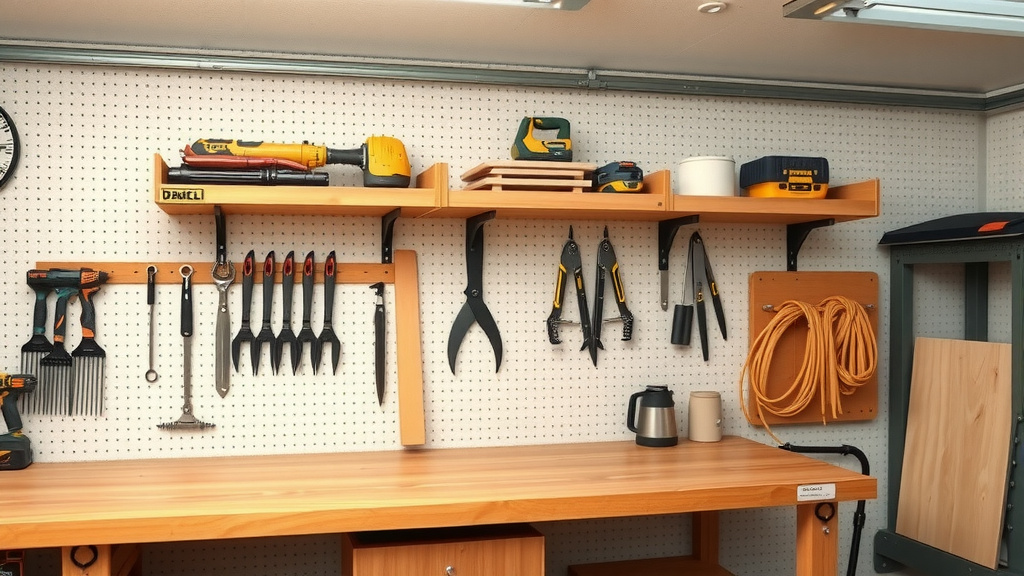
Checklist for Perfect Shelf Placement
Ready to get your shelves set up? Here’s a quick checklist to guide you:
- Measure your workbench height.
- Determine your comfortable standing reach.
- Identify your most frequently used tools.
- Factor in any overhead obstructions.
- Test the 18-24 inch range by holding items at that height.
- Consider shelf depth and width for your storage needs.
Conclusion
Setting the right shelf height above your workbench is key to a functional workspace. We found that the 18-24 inch range offers the best balance for accessibility and overhead clearance. Remember to consider your own reach, your workbench height, and what you plan to store. Don’t forget about your workspace layout and any obstructions. By following these guidelines, you can create a setup that makes your projects run smoother. Now, go measure and get those shelves perfect!
Frequently Asked Questions
What’s the absolute minimum height shelves can be above my workbench?
While we recommend 18 inches as a minimum for comfortable elbow room, you *could* go slightly lower if absolutely necessary. Just be mindful that anything below 16 inches might start to feel cramped. You’ll want to test this by standing at your bench to see if you can move freely.
Can I put shelves higher than 24 inches if I’m tall?
Absolutely! If you’re on the taller side, or if you have items that don’t need constant access, going a bit higher is perfectly fine. Just ensure you can still reach them safely without excessive stretching. We found that a comfortable, natural reach is the best guide.
How do I figure out my own “comfortable reach”?
Stand at your workbench as you normally would. Extend your arm naturally, as if you were reaching for a tool. The height your hand naturally falls to is a good indicator of your comfortable reach. You can also have someone measure this for you.
What if I have a very low workbench? Do the rules change?
Yes, a lower workbench means you’ll likely want your shelves a bit lower too. If your bench is 30 inches tall, shelves 16-22 inches above it might be ideal. Always prioritize keeping your essential tools within easy reach while maintaining head clearance.
Should the items on the lowest shelf be different than items on higher shelves?
Definitely. We found that the lowest shelf, within that 18-24 inch sweet spot, is best for your most-used tools and supplies. Higher shelves are better for bulkier items or things you don’t need every single day, like spare parts or cleaning supplies.