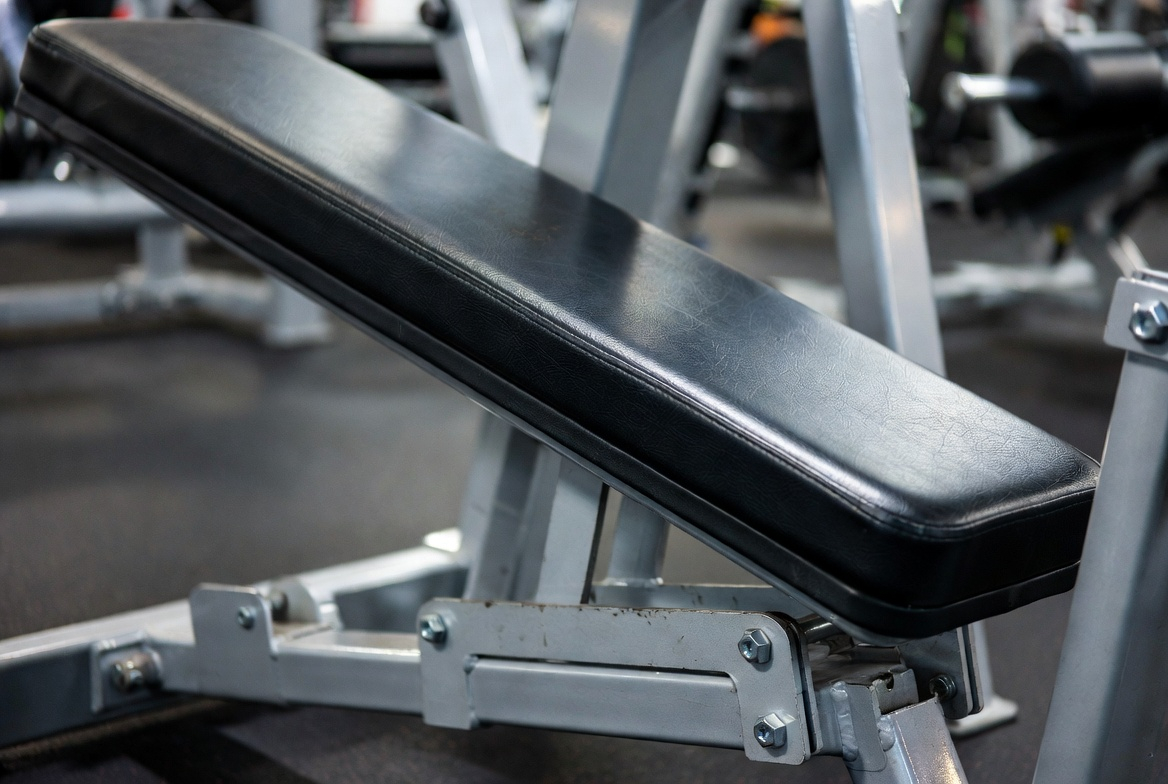
Incline vs Decline Bench Muscles Worked: A Complete Guide to Chest Development
When you walk into any gym, you’ll notice something interesting—people spend a lot of time on the bench press. But here’s the thing: not all bench presses are created equal. The angle at which you position that bench makes a massive difference in which muscles you’re targeting and how effectively you’re building your chest.
I’ve spent years experimenting with different bench angles, and I can tell you that understanding the difference between incline and decline bench pressing is one of the most important factors in designing a chest workout that actually delivers results. Let me walk you through exactly what each variation does and why it matters for your fitness goals.
Understanding Bench Press Variations and Their Purpose
Think of your chest like a map with different regions. The flat bench press hits the middle portion, but what about the upper and lower areas? That’s where incline and decline benches come into play. They’re not just fancy variations—they’re essential tools for complete muscle development.
The beauty of bench press variations is that they allow you to target specific areas of your pectoral muscles with precision. When you understand how each angle works, you can create a more balanced, well-developed chest that looks and performs better.
The Incline Bench: Building Your Upper Chest
The incline bench is angled upward, typically between 30 to 45 degrees. When you press weight on an incline, you’re basically shifting the emphasis away from your middle chest and toward the upper portion. This is incredibly valuable because many lifters neglect their upper chest, leading to an unbalanced physique.
Primary Muscles Worked on the Incline Bench
When you perform incline pressing movements, your upper pectoral muscle—the clavicular head of the pectoralis major—becomes the star of the show. This is the muscle that creates that impressive upper chest definition and helps your chest connect nicely with your shoulders.
- Upper pectoralis major (clavicular head) – receives maximum tension
- Anterior deltoids (front shoulders) – significantly involved
- Triceps – active throughout the movement
- Upper chest stabilizers – engaged for control
Why the Incline Angle Matters
The incline angle creates a different biomechanical pattern compared to a flat bench. Your arms move in a slightly different plane, which naturally recruits more of those upper chest fibers. The steeper the incline, the more shoulder involvement you’ll get, so finding the right angle for your goals is important.
Secondary Muscles Engaged During Incline Pressing
Beyond the obvious upper chest and shoulders, your incline pressing also activates several stabilizer muscles. Your serratus anterior works to keep your shoulder blades stable, and your core engages to maintain proper form and prevent excessive arching.
The Decline Bench: Targeting Your Lower Chest
Now let’s flip the script—literally. The decline bench angles your body downward, usually at 30 to 45 degrees in the opposite direction. This positioning shifts the load to the lower portion of your chest, creating an entirely different stimulus than the incline variation.
Primary Muscles Worked on the Decline Bench
The decline bench is a lower chest specialist. When you press on a decline, your lower pectoral fibers—the sternal head of the pectoralis major—work hard to move the weight. This creates the definition and separation in the lower chest area that many people find aesthetically pleasing.
- Lower pectoralis major (sternal head) – primary focus
- Triceps – heavily involved in the pressing movement
- Anterior deltoids – less involved than incline, more than flat
- Lower chest connective tissues – stretched and worked
The Mechanical Advantage of Decline Pressing
One interesting aspect of decline pressing is that many people can lift heavier weight compared to incline or flat bench. Why? The angle naturally shortens the range of motion slightly and provides a more stable base. However, this doesn’t mean decline is “easier”—it just means the weight distribution is different.
Secondary Muscles and Stabilization on Decline
Your decline bench pressing also engages your core, lower back, and hip flexors as stabilizers. The decline position requires these muscles to work harder to keep your body stable and prevent excessive movement that could compromise your form.
Flat Bench Press: The Middle Ground
Before we go further, let’s talk about the flat bench, which serves as the middle ground between incline and decline. The flat bench is where most people start, and for good reason—it provides a balanced stimulus across the entire chest.
How the Flat Bench Compares
The flat bench primarily targets the middle and outer portions of your pectoral muscles. It’s the most balanced variation because it doesn’t overemphasize any single area. If you only did flat bench pressing, you’d develop a decent chest, but you’d miss out on the unique benefits that incline and decline offer.
Comparing Muscle Activation: Incline vs Decline
Here’s where things get really interesting. Let me break down exactly how these two variations differ in terms of which muscles they activate and how intensely.
Upper Chest Development: Incline Wins
If your goal is to build an impressive upper chest with that “shelf-like” appearance, the incline bench is your best friend. Research and practical experience both show that incline pressing creates significantly more activation in the upper pectoral fibers compared to decline or flat pressing.
Lower Chest Definition: Decline Dominates
For sculpting the lower chest and creating that nice separation between your pecs and abdominals, decline pressing is unmatched. The angle specifically targets those lower fibers in a way that flat and incline benches simply cannot replicate.
Overall Chest Mass: Flat Bench Still Reigns
While incline and decline are specialized tools, the flat bench remains king for overall chest development. It allows for maximum weight to be used while still stimulating the entire chest effectively. Most of your chest mass will come from flat bench pressing, with incline and decline serving as complementary movements.
The Role of Shoulder Involvement in Each Variation
One crucial difference between these variations is how much your shoulders get involved. This matters because if your shoulders are already fatigued or prone to injury, you need to be strategic about which variation you use.
Incline Bench and Shoulder Stress
The incline bench requires more anterior deltoid involvement. If you have shoulder issues or if your shoulders are already tired from other exercises, a steep incline might not be ideal. However, this shoulder engagement can also be beneficial for balanced development between your chest and shoulders.
Decline Bench and Shoulder Relief
Decline pressing is gentler on the shoulders because they’re not positioned to be primary movers. This makes decline pressing a good option when you want to focus purely on chest without additional shoulder stress.
Triceps Engagement Across All Variations
Your triceps play a role in all chest exercises, but the degree of involvement varies. Understanding this helps you plan your workouts so you’re not overworking one muscle group.
Generally speaking, all three variations (incline, flat, and decline) engage the triceps significantly. The triceps are responsible for the lockout portion of the press, so they’re always working to extend your elbows. However, the incline variation tends to involve the triceps slightly less than flat or decline, simply because the angle is more chest-biased.
Creating a Balanced Chest Workout: Combining Both Variations
Now that you understand what each variation does, let’s talk about how to use them together in your training program. The best approach is to use all three variations in a balanced way.
The Traditional Three-Movement Chest Workout
A classic approach is to include incline, flat, and decline in the same workout, each serving a specific purpose:
- Start with incline pressing to build your upper chest when you’re fresh
- Move to flat bench pressing for maximum overall chest stimulation
- Finish with decline pressing to emphasize lower chest development
Weekly Programming Strategy
Alternatively, you might dedicate different chest workouts throughout the week to each variation. For example, Monday could be incline-focused, Wednesday could be flat-focused, and Friday could be decline-focused. This allows you to really hone in on each area and give it proper attention.
Periodization and Emphasis Cycles
Another smart approach is to periodize your training. Spend 4-6 weeks emphasizing incline pressing, then switch to emphasizing decline, then return to flat. This approach ensures that no single area of your chest gets neglected while you’re focusing on another area.
Range of Motion Differences and Their Impact
The range of motion you achieve on each variation differs slightly, and this affects muscle development in important ways.
Incline Bench Range of Motion
On the incline bench, your range of motion is typically slightly shorter than on a flat bench, especially at the bottom of the movement. Your body position prevents the bar from traveling as far down your chest. This shorter range of motion allows you to handle heavier weight but also means less overall chest stretch.
Decline Bench Range of Motion
Decline pressing also has a slightly reduced range of motion compared to flat bench, but for different reasons. Your body position and the seat design can limit how far the bar travels. Some people actually find decline allows for a longer range of motion because they can lower the bar deeper without it hitting their chest.
Maximizing the Stretch and Contraction
To get the best results, focus on controlling the eccentric (lowering) portion of each movement to maximize the stretch on your chest muscles. This deep stretch and strong contraction combination is what really drives muscle growth.
Recovery and Soreness Considerations
Different chest exercises cause different patterns of soreness, and understanding this helps you manage your recovery better.
Many lifters report more soreness in the upper chest after incline pressing, particularly a day or two after the workout. This is normal and indicates that you’re effectively stimulating muscle fibers that might not get worked as hard on flat bench. Similarly, decline pressing often creates soreness in the lower chest and lower pectoral area.
Practical Tips for Maximizing Each Variation
Form Cues for Incline Pressing
Keep your chest proud and engaged throughout the movement. Don’t let your shoulders roll forward. Focus on feeling the upper chest do the work rather than relying too heavily on your shoulders.
Form Cues for Decline Pressing
Secure yourself properly in the decline bench using the leg attachment. Press the weight in a slight arc, allowing the bar to travel slightly toward your lower chest rather than straight up. This path of motion better activates the lower chest.
Conclusion
The incline versus decline bench debate doesn’t have a clear winner because they serve different purposes. The incline bench excels at building your upper chest and creating that impressive upper pectoral development. The decline bench is your tool for emphasizing lower chest definition and achieving complete pectoral development. Neither is better than the other—they’re complementary tools that work together to create a fully developed, balanced chest.
The key to chest development is understanding what each variation does and using them strategically in your training program. Don’t choose between incline and decline. Instead, use both regularly to ensure that every part of your chest receives adequate stimulation and development. Combined with the foundational flat bench press, these three variations form the perfect trinity for complete chest development.
Start experimenting with all three variations, pay attention to how each one feels, and notice which areas of your chest respond best to each movement. Your individualized approach to training, informed by understanding the mechanics of each exercise, will yield the best results and help you build the chest you’ve always wanted.
Frequently Asked Questions About Incline vs Decline Bench
Can I build a great chest using only the incline bench?
While the incline bench is excellent for upper chest development, relying solely on it would leave your lower and middle chest underdeveloped. You’d end up with an unbalanced physique where your upper chest is impressive but your overall chest looks incomplete. It’s best to include flat and decline bench variations to ensure comprehensive development across all chest regions.
Why can I lift heavier weight on the decline bench compared to incline?
The decline position provides a more biomechanically advantageous angle for pressing heavy weight. Your body is more stable, the range of motion is somewhat reduced, and your leverage improves. Additionally, your triceps and lower chest are in a mechanically stronger position to press, allowing you to lift more weight. However, heavier weight doesn’t necessarily mean better results—the quality of the muscle stimulus matters more than the absolute weight lifted.
How often should I do incline and decline bench press in the same week?
Most people benefit from including both incline and decline bench at least once per week. However, the exact frequency depends on your training split and recovery capacity. A common approach is to do flat bench once per week with incline and decline incorporated either in the same session or spread throughout the week. Listen to your body and adjust based on your recovery and performance.
Does the angle of the incline bench matter, or is any incline better than flat?
The angle absolutely matters. A very steep incline (45 degrees or more) shifts too much emphasis to the shoulders, while a moderate incline (30-35 degrees) provides the best balance of upper chest activation without excessive shoulder involvement. Experiment with different angles to find what feels best for your body and creates the most upper chest activation.
Is decline bench press bad for my lower back?
When performed with proper form and appropriate weight, decline bench pressing is not bad for your lower back. However, the declined position does place some stress on your lower back and hip flexors. To minimize risk, ensure you’re securing yourself properly in the bench, avoiding excessive arching of your lower back, and using weight that allows you to maintain good form throughout the set. People with existing lower back issues should consult a professional before using the decline bench.
“`