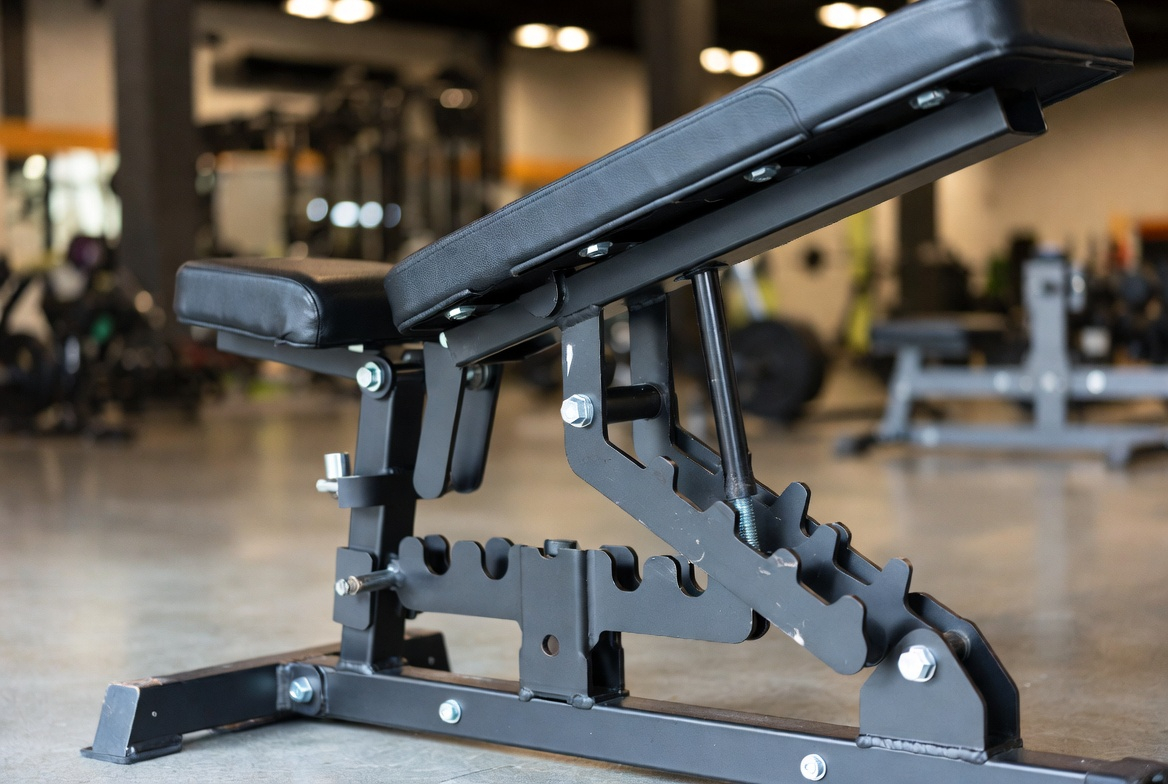
Heavy Work Bench vs Normal Work Bench: Is the Extra Weight Worth It?
Let me start by asking you something: Have you ever been in the middle of a woodworking project, only to have your work surface shift or wobble at a critical moment? If you have, you understand the frustration of working on an unstable platform. The choice between a heavy work bench and a normal work bench might seem like a simple decision, but it’s actually one that can significantly impact your productivity, safety, and the quality of your finished work.
Whether you’re a hobbyist just starting out or a seasoned craftsperson looking to upgrade your workshop, understanding the differences between these two types of benches is crucial. In this comprehensive guide, we’ll explore everything you need to know to make an informed decision.
Outline of What We’ll Cover
- The fundamental differences between heavy and normal work benches
- Weight specifications and what they mean for stability
- Performance comparison across various work types
- Cost considerations and value for money
- Space and portability factors
- Durability and long-term investment potential
- Real-world user experiences and testimonials
- Making your final decision
Understanding the Basics: What Defines a Heavy Work Bench?
A heavy work bench typically weighs between 200 to 400 pounds or more, while a normal work bench usually falls in the 50 to 150-pound range. But weight alone doesn’t tell the whole story. Think of it like the difference between a luxury car and a regular sedan—the extra heft represents a fundamental engineering approach to stability and performance.
The Weight Factor and Its Implications
The extra weight in a heavy work bench comes from several sources: thicker materials, dense wood construction, reinforced frames, and additional support structures. This isn’t just added weight for the sake of it. Manufacturers include these elements deliberately to create a work surface that resists movement and vibration during use.
When you’re working on a project, any movement of your work surface can throw off your precision. A saw blade hitting a moving surface produces different results than one hitting a stationary surface. A chisel striking wood on an unstable bench can slip or bind unpredictably. The weight of a heavy work bench counteracts these problems through sheer mass and stability.
Material Composition Differences
Heavy work benches typically feature:
- Solid wood construction, often using hardwoods like oak or maple
- Thicker benchtops—usually 2 to 3 inches thick compared to 1 to 1.5 inches for normal benches
- Reinforced steel bases or frames
- Cross-bracing and support structures that distribute weight evenly
- Drawers and storage integrated into a sturdy base
Normal work benches, conversely, might use engineered wood, thinner materials, or a combination of wood and metal in a lighter configuration. This doesn’t make them inferior—just different in their approach to functionality.
Stability and Performance: The Real-World Difference
How Stability Affects Your Work Quality
Imagine trying to apply makeup in a mirror that’s constantly jiggling. That’s what working on an unstable bench feels like. Heavy work benches eliminate this problem through their substantial mass and low center of gravity. When you apply force to the work surface, a heavy bench absorbs that force and remains essentially motionless.
A normal work bench, being lighter, can shift and vibrate more easily. This doesn’t mean it’s unsuitable for all tasks, but it does mean you’ll experience different constraints depending on what you’re doing.
Vibration Absorption in Different Work Scenarios
For Power Tool Work
When using power tools like circular saws, sanders, or drills, vibration becomes a significant factor. A heavy work bench dampens these vibrations, reducing noise and improving your control over the tool. Your hands aren’t fighting against a moving surface, which reduces fatigue during extended work sessions.
For Hand Tool Work
Hand tools benefit even more dramatically from a stable surface. Chiseling, planing, and detailed hand work require precision. A work bench that moves undermines your technique and makes it harder to achieve clean, accurate cuts and joints. Heavy benches provide the immovable resistance that hand tool work demands.
For Fine Woodworking
If you’re doing joinery, inlays, or detailed decorative work, the stability of a heavy bench becomes absolutely critical. Any wobble translates into visible errors in your finished piece.
Cost Considerations: What You’re Actually Paying For
Initial Investment Comparison
A quality normal work bench might cost anywhere from $200 to $800, while a heavy work bench typically ranges from $800 to $3,000 or more, depending on size and materials. That’s a significant price difference, and it’s worth examining whether you’re getting proportional value.
The extra cost reflects several factors: superior materials, more skilled labor during manufacturing, enhanced durability, and improved performance features. But is it worth it for your specific needs?
Long-Term Value and Cost Per Year
Here’s where the analysis gets interesting. If you buy a normal work bench for $500 and use it for five years, you’re spending $100 per year. If that bench needs to be replaced after five years, you’ll buy another one and repeat the cycle. If you buy a heavy work bench for $1,500 and use it for twenty years, you’re spending $75 per year on a tool that never needs replacement.
Additionally, a heavy work bench typically maintains its functionality and appeal longer. Some people pass down heavy benches through generations of craftspeople. That’s rarely the case with cheaper alternatives.
When the Extra Cost Makes Sense
- You work professionally or semi-professionally
- You plan to keep your bench for many years
- You do precision work that demands maximum stability
- You use primarily hand tools
- Your workshop is your pride and investment
Portability and Space: The Practical Side
Moving and Rearranging Your Workshop
Here’s the reality: a heavy work bench doesn’t move easily. That 300-pound bench isn’t something you relocate on a whim. If you live in a rental space, move frequently, or like to rearrange your workshop layout regularly, this immobility becomes a drawback rather than an advantage.
A normal work bench, weighing perhaps 75 pounds, can be moved by one person with reasonable effort. You can reposition it to follow sunlight, access different walls, or create new workflow arrangements as your needs change.
Space Requirements and Footprint
While weight and size aren’t directly linked, heavy benches tend to occupy more floor space because their design includes larger base structures for support. They’re often deeper and wider, which might be perfect for a dedicated workshop but impractical for a small garage or shared space.
Overhead Clearance Considerations
Heavy benches sometimes feature attached shelving, pegboards, or tool storage that extends upward. Make sure your workspace has sufficient ceiling height to accommodate these features without creating a cramped, uncomfortable working area.
Durability and Longevity: Building Something That Lasts
How Construction Quality Affects Lifespan
A heavy work bench is built like it’s meant to be a permanent installation. The materials are selected for durability, the joinery is typically mortise and tenon or similar strength-optimized methods, and the overall design prioritizes longevity over cost savings.
This doesn’t mean normal benches are fragile, but they’re engineered with different priorities. They emphasize functionality and affordability, which often means using materials and methods that work well for a reasonable lifespan but aren’t designed to last indefinitely.
Resistance to Wear and Damage
The thick benchtop of a heavy work bench can withstand gouges, dents, and stains that would make a lighter benchtop look significantly damaged. You can maintain a heavy bench, sand it down periodically, and it looks great again. Many lighter benches, once damaged, look permanently worn.
Structural Integrity Over Time
Wood movement and material fatigue affect all benches, but heavy benches are designed to handle these stresses. The reinforced construction resists sagging, warping, and the gradual loosening of joints that lighter benches might experience over decades.
Specialized Features and Add-Ons
What Comes Built Into Heavy Benches
Many heavy work benches include integrated features:
- Built-in vises (often quality fixtures that cost $200-400 alone)
- Drawers and cubbies for tool storage
- Holes or slots for clamping systems
- Backsplash and side rails for organization
- Shelving for materials and completed projects
These aren’t just conveniences—they fundamentally change how you work. Having your most-used tools immediately accessible, having proper vises built into your bench, and having dedicated storage all contribute to workflow efficiency.
Upgrade Potential for Normal Benches
A lighter bench can be upgraded with added accessories: portable vises, clamp racks, tool storage cabinets, and shelving units. However, these additions might ultimately cost as much as a good heavy bench while never achieving the integrated elegance and stability of a purpose-built system.
Who Should Choose a Heavy Work Bench?
The Ideal Users
Heavy work benches are perfect for:
- Professional woodworkers and craftspeople
- People who primarily use hand tools
- Those doing fine woodworking, joinery, or detailed work
- Workshop owners with permanent dedicated spaces
- People who view their bench as a lifelong tool
- Anyone doing precision work where stability is critical
The Skill Level Factor
Interestingly, heavy benches benefit both beginners and experts differently. A beginner benefits from the bench “helping” them maintain stability and learn proper technique. An expert benefits from the bench getting out of the way and allowing them to focus entirely on their craft.
Who Should Choose a Normal Work Bench?
Ideal Situations for Lighter Benches
A normal work bench makes more sense when you:
- Are just starting out and testing your commitment to a hobby
- Have a shared or temporary workspace
- Primarily use power tools
- Need flexibility to rearrange or move your setup
- Have space constraints
- Want to minimize initial investment
- Perform general home repairs and maintenance
Real-World Performance: What Users Actually Report
Heavy Bench Testimonials
Experienced woodworkers consistently report that the moment they switched to a heavy bench, their work improved. They describe it as the bench “disappearing” from their consciousness—they stop fighting against the work surface and can focus entirely on their technique. Many also report reduced hand fatigue and better accuracy in their cuts and joints.
Normal Bench Testimonials
Users of normal benches appreciate their accessibility and flexibility. Hobbyists report that their benches serve them well for their needs, and the ability to move their bench or fit it into smaller spaces is genuinely valuable. Power tool users often report no noticeable disadvantages compared to heavier alternatives.
Hybrid Considerations: Combining Both Types
The Multi-Bench Workshop Strategy
Some experienced craftspeople use both types of benches. A heavy bench serves as their primary precision work surface, while a lighter bench provides flexibility for other tasks, demonstrations, or temporary projects. This approach offers the best of both worlds but requires more space and investment.
Making Your Decision: A Decision Framework
Questions to Ask Yourself
- What types of work will I do most frequently?
- How long do I plan to keep this bench?
- What’s my current and likely future budget?
- How much space do I have available?
- Will I need to move the bench often?
- How much stability do my projects require?
- Am I investing in this workspace for years to come?
- What do experienced craftspeople in my field use?
Conclusion
So, is the extra weight worth it? The honest answer is: it depends entirely on your situation. A heavy work bench is an investment in quality, stability, and longevity. It’s the right choice for anyone serious about woodworking or detailed craftsmanship who has a permanent workspace and plans to keep their bench for years.
A normal work bench, conversely, provides excellent functionality for hobbyists, people in temporary spaces, and those primarily using power tools. It’s also the smart choice if you’re testing whether you’ll stick with a craft before committing to significant investment.
The key insight is this: you’re not just buying a flat surface to work on. You’re choosing between different philosophies of workshop design. Heavy benches prioritize stability, precision, and longevity. Normal benches prioritize flexibility, affordability, and efficiency for different work styles.
Visit your local woodworking shop or maker space and try both types if you can. Feel the difference in stability. Imagine yourself working on projects you care about. That visceral sense of the right tool for you might be the most important factor in this decision. Whatever you choose, make it a deliberate choice based on your actual needs rather than assumption or habit.
Frequently Asked Questions
Can I make a normal work bench more stable without replacing it?
Yes, you can improve stability by adding weight to the base through concrete or sand, anchoring the bench to the floor or wall, using bench stabilizers, or adding a heavy shelf underneath. However, these modifications might cost nearly as much as a dedicated heavy bench while still not achieving the integrated design of a purpose-built solution. You’re essentially trying to retrofit what was designed differently from the start.
What’s the typical lifespan difference between heavy and normal benches?
A well-maintained heavy bench can easily last 20-50 years and often outlasts the craftspeople using them. Normal benches typically last 5-15 years with regular use before showing significant wear, damage, or requiring replacement. The difference isn’t just about sturdiness but also about material choices and design longevity.
Is a heavy work bench worth it if I mostly use power tools?
If you work exclusively with power tools, a heavy bench provides diminishing returns on investment. Power tools are relatively forgiving of work surface movement compared to hand tools. However, if you occasionally use hand tools for finishing or detail work, the stability becomes more valuable. Assess your