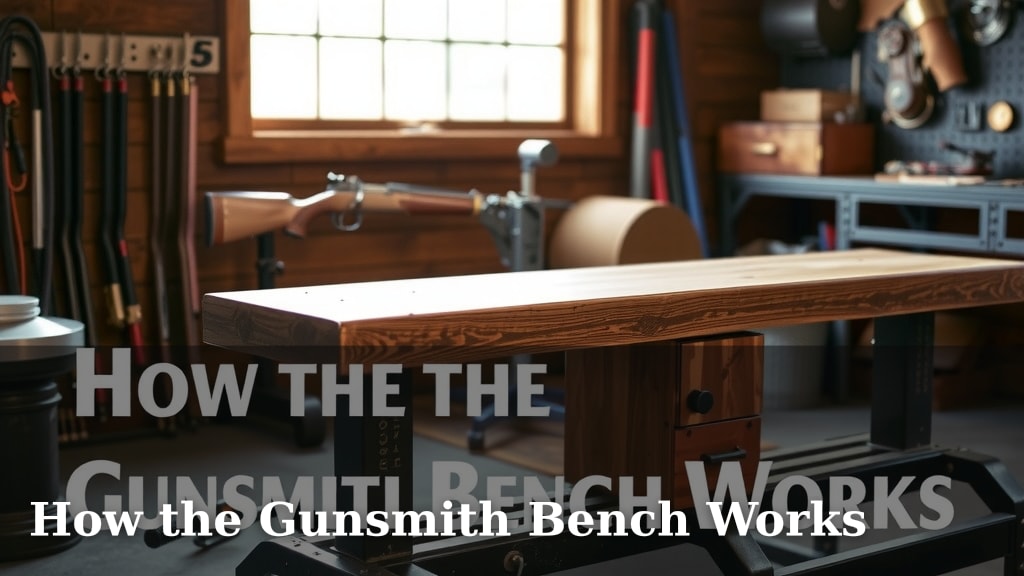
How the Gunsmith Bench Works
A gunsmith bench is a specialized workbench designed for the safe and efficient assembly, disassembly, and maintenance of firearms. It provides a stable platform with built-in features to secure your firearm and organize your tools. Think of it as your personal firearms workshop, all in one place.
When working on your guns, having the right setup is key. A dedicated gunsmith bench makes tasks like cleaning, repairs, or modifications much easier and safer. It helps you keep everything you need within reach and protects your firearm from damage.
- A gunsmith bench secures firearms for work.
- It offers organized storage for tools.
- Work is safer and more efficient.
- It protects your firearms during maintenance.
Let’s walk through exactly how a gunsmith bench works and what makes it so useful for any firearm owner.
Understanding Your Gunsmith Bench Setup
So, you’re curious about how a gunsmith bench actually makes working on your firearms easier and safer? It’s all about providing a dedicated space with specific features that help you manage your firearm and tools effectively. Let’s break down the key components and how they work together to streamline your gun maintenance.
The Core Functionality: Stability and Security
At its heart, a gunsmith bench is built for **stability**. When you’re working with firearms, you need a solid, immovable surface. This prevents your firearm from shifting unexpectedly, which can lead to mistakes or even accidents. Most benches are made from heavy-duty materials like steel or solid wood, giving you that essential foundation.
Built-in Vises and Clamps
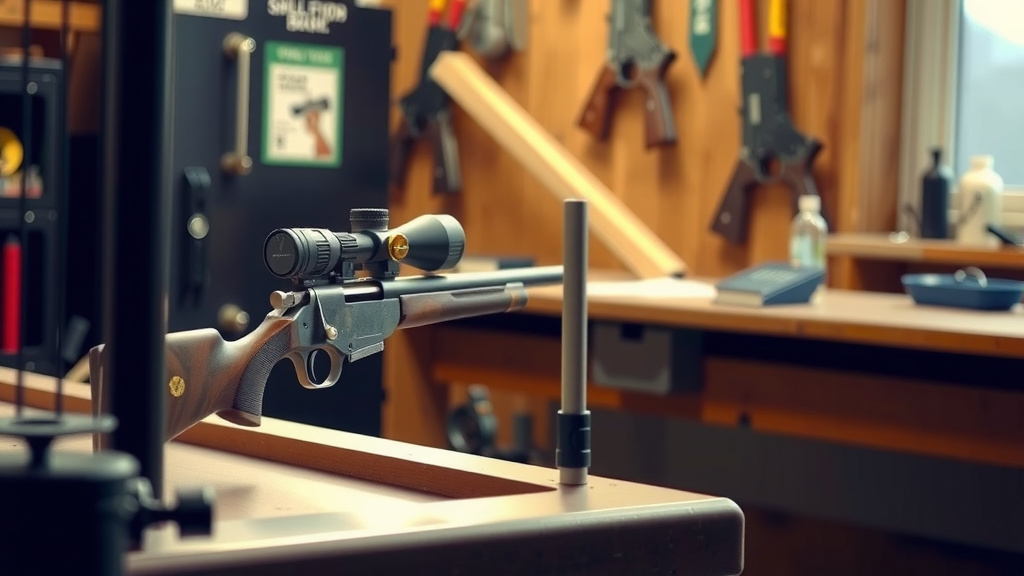
One of the most critical features you’ll find is some form of firearm **securing mechanism**. This could be a built-in vise, clamps, or specialized rests. These hold your rifle or handgun firmly in place. You don’t have to worry about it tipping over or sliding around. This frees up both your hands to work on the firearm itself.
Imagine trying to clean a trigger assembly or replace a small part. If the gun keeps moving, it’s incredibly frustrating. A good vise or clamp makes these tasks much more manageable. Many modern benches offer adjustable vises, allowing you to grip different firearm sizes securely.
Organization is Key: Keeping Tools at Your Fingertips
A cluttered workspace is a recipe for trouble, especially when dealing with firearms. Gunsmith benches are designed with **organization** in mind. They often feature integrated drawers, shelves, and pegboards. This means all your tools – screwdrivers, cleaning rods, brushes, lubricants – have a designated spot. They’re not scattered across your table or lost on the floor.
Drawer Systems and Storage Solutions
When you have drawers built right into your bench, you can keep smaller parts organized. Think about all those tiny pins and springs. A good set of drawers prevents them from rolling away. Many benches also include dividers, so you can further compartmentalize your tools. This saves you time searching for what you need.
Integrated Lighting and Power
Some higher-end gunsmith benches even include features like built-in LED lighting and power outlets. Good lighting is absolutely essential for seeing small parts and intricate mechanisms clearly. Power outlets allow you to easily plug in tools like a bench grinder or a small fan if you’re using solvents. These additions make your workspace much more functional.
Protecting Your Firearm During Maintenance
Your firearms are investments, and you want to keep them in good condition. A gunsmith bench helps with this by providing surfaces that won’t scratch or damage your gun. Many benches have **protective surfaces** or come with rubber mats. These guard against dings and marks while you’re working.
Surface Materials and Protection
The materials used for the benchtop are important. Solid wood or composite surfaces are common. They offer a good balance of durability and protection. If you’re working with a metal bench, it will almost certainly come with a thick rubber or synthetic mat. This mat is your firearm’s best friend, preventing scratches and providing a non-slip surface.
The Workflow: How Tasks Become Easier
Let’s walk through a typical cleaning session. You place your firearm in the bench’s vise. It’s held securely. You open a drawer and find your cleaning solvent and brushes instantly. You can easily access cleaning patches and lubricant from a nearby shelf. Everything you need is right there, neatly organized. This **efficient workflow** reduces frustration and the chance of error.
Consider a more complex task, like replacing a part. You’ll need specific tools, perhaps a specialized wrench or punch. With your tools organized on the bench, you can grab them without interruption. The stable platform ensures you’re not fighting to keep the firearm steady while you work on that delicate component. This makes complex tasks feel much more approachable.
Different Types of Gunsmith Benches
Not all gunsmith benches are created equal. You’ll find a variety of designs to suit different needs and spaces. The basic idea remains the same: a stable work surface with storage. But the features can vary greatly.
Freestanding vs. Wall-Mounted Units
Freestanding benches are the most common. They can be placed anywhere in your workshop. They often offer more substantial storage with multiple drawers and shelves. Wall-mounted benches are great for smaller spaces. They can fold up when not in use, saving valuable floor space. However, they might offer less storage and a smaller work surface.
Portable and Compact Options
For those who need flexibility, there are portable gunsmith benches. These are often lighter and may even have wheels. They’re perfect if you sometimes work at a gun club or need to move your setup frequently. Compact models are designed to fit into tighter areas, ensuring you can still have a dedicated workspace without taking over your entire room.
Essential Features to Look For
When you’re looking for a gunsmith bench, consider what features will best support your activities. Here’s a quick checklist of things to keep in mind:
- Sturdy Construction: Does it feel solid? Will it hold up to regular use?
- Adequate Work Surface: Is the top large enough for your typical projects?
- Effective Securing Mechanism: Does it have a vise or clamps that can hold your firearms securely?
- Sufficient Storage: Are there enough drawers and shelves for your tools and supplies?
- Protective Surface: Is there a mat or material that will prevent damage to your firearms?
- Ergonomics: Is the height comfortable for you to work at for extended periods?
The Benefits of a Dedicated Workspace
Having a dedicated gunsmith bench is more than just having a sturdy table. It’s about creating a **safe, organized, and efficient environment**. When you have everything in its place, and your firearm is held securely, you can focus on the task at hand. This reduces stress and the likelihood of mistakes.
Research consistently shows that organized environments lead to improved performance and reduced errors across many disciplines. This principle absolutely applies to working on firearms. A gunsmith bench is your personal command center for all things firearm maintenance.
Safety Considerations with Your Bench
While a gunsmith bench enhances safety, it’s important to remember some basic firearm safety rules. Always ensure any firearm is unloaded before placing it on the bench. Treat every firearm as if it were loaded, even when you know it’s not. Never point a firearm, loaded or unloaded, at anything you don’t intend to shoot.
Many safety guidelines recommend checking the action of a firearm multiple times to confirm it is unloaded. Proper storage of ammunition and firearms is also key. A dedicated bench should be part of a larger safety plan for your workshop or home. It’s a tool that helps you work more safely, but it doesn’t replace responsible firearm handling.
Conclusion
You’ve seen how a dedicated gunsmith bench transforms your firearm maintenance. It’s more than just a workbench; it’s your command center for safe, organized, and efficient work. By providing a stable platform, secure firearm holding, and smart tool storage, it makes every task, from simple cleaning to complex repairs, much easier.
Investing in a gunsmith bench means investing in the longevity and proper care of your firearms. Now that you understand its benefits, it’s time to assess your needs. Look for a bench with sturdy construction, adequate workspace, and the right storage solutions for your tools and projects. Your next step is to find the bench that will help you work smarter and safer.
Frequently Asked Questions
Are gunsmith benches safe to use with all types of firearms?
Yes, gunsmith benches are designed to be safe for a wide range of firearms. Their primary function is to provide a stable and secure platform. Always ensure your firearm is unloaded before placing it on the bench, and use the bench’s vise or clamps to hold it steady.
Do I need a gunsmith bench if I only clean my guns occasionally?
While not strictly necessary for very infrequent cleaning, a gunsmith bench makes the process much easier and safer. It keeps your tools organized and your firearm secure, reducing the risk of damage or accidents, even for occasional users.
What kind of surface material is best for a gunsmith bench?
Many gunsmith benches feature durable solid wood or composite tops, often with a protective rubber mat. This matting is excellent for preventing scratches and provides a non-slip surface, which is ideal for protecting your firearm’s finish during maintenance.
Can I build my own gunsmith bench instead of buying one?
Absolutely! Many firearm owners choose to build their own benches to customize features and save costs. You can find many plans online that offer sturdy designs with integrated storage, allowing you to tailor it to your specific needs and available space.
How much space do I typically need for a gunsmith bench?
Space requirements vary greatly depending on the bench’s design. Freestanding benches often require a dedicated corner or section of a workshop, typically needing at least 4-6 feet of width. Wall-mounted or compact options can fit into smaller spaces, sometimes folding away when not in use.