How Bench Pressing Works the Pectoralis Major
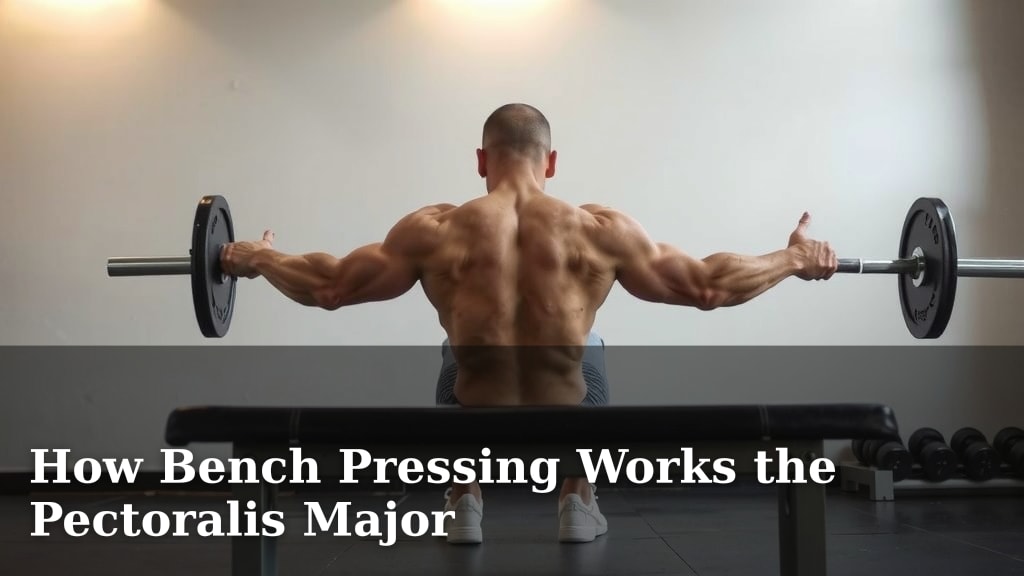
Bench pressing works your pectoralis major by engaging it as the primary mover in the pressing motion. This large chest muscle is responsible for bringing your arms across your body. During a bench press, it contracts to push the weight away from your chest. You’ll feel it working hard to extend your arms.
It’s not just your chest, though. Your bench press is a team effort. Your shoulders (deltoids) and triceps also play key roles. They assist the pecs, especially as you push heavier weights. This makes it a great overall upper body exercise. You get a powerful workout from one movement.
- Bench pressing directly targets your pec major.
- It’s the main muscle that pushes the weight.
- Shoulders and triceps also help out.
- It’s an excellent compound upper body exercise.
Ready to see how this big chest muscle fires up? Let’s break down exactly how your pectoralis major gets so much work done during a bench press.
How Your Pec Major Fires Up on the Bench Press
You’re probably curious about what’s happening inside your chest when you push that weight. The pectoralis major is the star player here. It’s your largest chest muscle. Think of it as the engine for pushing things away from your body. On the bench press, it’s the primary muscle responsible for moving the bar from your chest back to arm’s length.
The Pectoralis Major: A Closer Look
Your pectoralis major isn’t just one single piece. It’s actually divided into two main parts. You have the clavicular head, which attaches to your collarbone. Then there’s the sternocostal head, which connects to your breastbone. Both parts work together during a bench press, but they have slightly different roles depending on the angle of your arms.
Clavicular Head’s Role
This upper portion of your pec major helps lift your arms forward and across your body. It’s particularly active when you’re pressing the weight upwards, especially at the beginning of the movement. You might feel this part more when you’re doing incline bench presses, which target the upper chest.
Sternocostal Head’s Role
This larger, lower portion is responsible for the bulk of the pushing motion. It helps bring your arms down to your sides and across your chest. During a standard bench press, it’s working hard to extend your arms and push that bar away from your chest.
The Mechanics of the Bench Press Movement
Let’s walk through what happens from the moment the bar touches your chest. As the bar rests on your chest, your pectoralis major is in a stretched position. This is the start of the concentric phase. Your muscles are shortening to create movement. You’re actively pushing the bar upward.
Initiating the Push: What Your Pecs Do
When you begin to push the bar away from your chest, your pectoralis major muscles contract forcefully. They are the prime movers in this action. Their job is to pull your upper arms inward and forward. This is what gets the bar moving away from your body. You’ll feel a strong sensation in your chest as this happens.
Controlling the Descent: The Eccentric Phase
Before you push, you have to lower the bar. This is called the eccentric phase. Here, your pectoralis major is working to control the movement. It’s lengthening under tension. This controlled lowering is just as important as the push. It helps build muscle strength and prevents injury. You’re essentially resisting gravity.
Why Control Matters
Slowing down the descent allows your muscle fibers to experience more time under tension. Many fitness experts suggest this can lead to better muscle growth and strength gains (National Strength and Conditioning Association). It’s like slowly stretching a rubber band before letting it snap back. This controlled stretch makes the eventual contraction more powerful.
The Team Effort: Other Muscles Involved
While your pectoralis major is the main performer, it doesn’t lift alone. Think of it as the lead singer, but there’s a whole band playing along. Your shoulders and triceps are your essential backup singers and instrumentalists. They provide support and help you lift more weight.
Your Shoulders (Deltoids)
The front part of your deltoids, also known as the anterior deltoids, works closely with your chest muscles. They help stabilize your shoulder joint and assist in pushing the bar upward. They contribute to the overall pressing power. You’ll notice your shoulders working hard, especially as the bar moves past the sticking point.
Your Triceps
Your triceps brachii are located on the back of your upper arm. They are responsible for extending your elbow. As you push the bar upwards, your triceps contract to straighten your arms fully. They become more involved in the final push towards lockout. Heavier weights demand more from your triceps.
A Look at Muscle Involvement
Here’s a simplified breakdown of how these muscles contribute:
| Muscle Group | Primary Role in Bench Press | When It’s Most Active |
|---|---|---|
| Pectoralis Major | Pushing the bar away from the chest. | Throughout the entire pressing motion. |
| Anterior Deltoids | Assisting the push, stabilizing the shoulder. | Mid-range of motion and lockout. |
| Triceps | Extending the elbow to lock out the arms. | Later stages of the upward press. |
Maximizing Your Pec Major Activation
To really make your pectoralis major do the work, a few things are key. Proper form is your best friend. It ensures the load goes to the intended muscles. Don’t be afraid to watch videos or get a trainer to check your technique.
Form is Everything
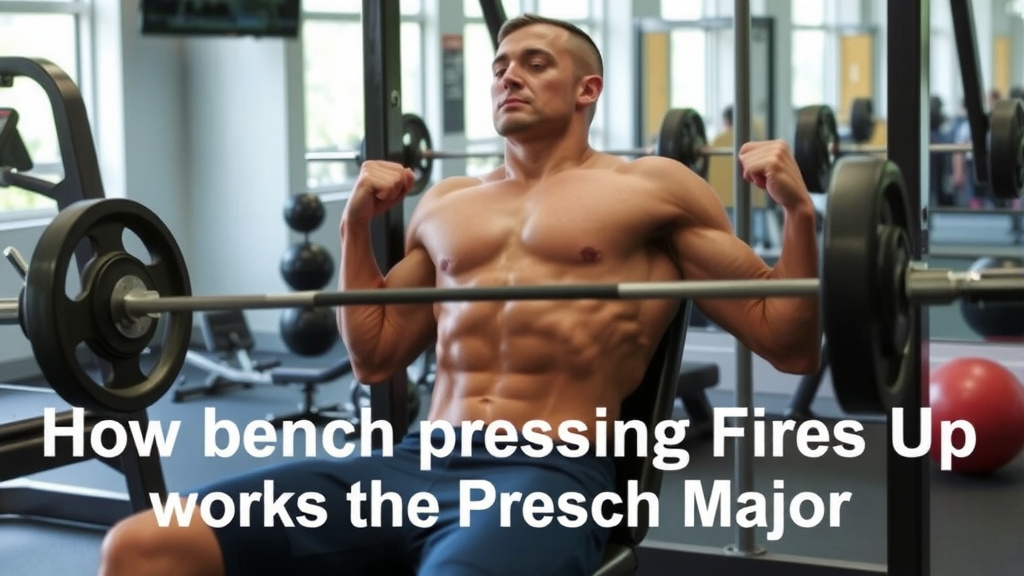
Focus on keeping your shoulders retracted and depressed. This means pulling your shoulder blades back and down. This protects your shoulders and helps engage your chest more effectively. Your elbows should be tucked slightly, not flared out wide. This also helps keep stress off your shoulder joints.
Tempo and Control
Think about a controlled two-second descent. Then, a brief pause at the chest, followed by a powerful, but controlled, one-second push. This tempo helps maximize muscle engagement. It ensures both the eccentric and concentric phases get their due attention. Consistency here can make a big difference.
Mind-Muscle Connection
Really focus on feeling your chest muscles working. Imagine you’re squeezing your pecs together as you push the bar up. This mental focus can enhance muscle activation. It’s not just about moving the weight; it’s about the quality of the contraction. Many lifters find this connection crucial for growth.
Checklist for a Better Bench Press Workout
- Keep your shoulder blades pulled back and down.
- Control the weight as you lower it.
- Focus on squeezing your chest muscles.
- Don’t let your elbows flare out too wide.
- Push with power but maintain control.
- Ensure a full range of motion.
Conclusion
You’ve learned how your pectoralis major is the powerhouse behind your bench press. This muscle group, with its clavicular and sternocostal heads, works hard to push the weight away. Remember, it’s a team effort with your shoulders and triceps. By focusing on proper form, controlled movements, and that mind-muscle connection, you can maximize your gains. Keep practicing with good technique, and you’ll see your chest strength grow. Now, go put this knowledge into action on your next bench day!
Frequently Asked Questions
Does bench press work just the chest muscles?
While your pectoralis major is the primary mover, the bench press engages several other muscle groups. Your anterior deltoids (front of your shoulders) and triceps work as secondary muscles. They assist in pushing the weight and locking out your arms, contributing to overall upper body strength.
What’s the difference between the clavicular and sternocostal heads of the pec major?
The clavicular head is the upper part of your pec major, attaching to your collarbone, and is more involved in lifting your arms forward and upward. The sternocostal head is the larger, lower part that attaches to your breastbone; it handles the majority of the horizontal pressing motion.
How does the eccentric phase of the bench press help my pecs?
The eccentric phase, or the controlled lowering of the weight, is when your pectoralis major lengthens under tension. This controlled stretch is vital for building muscle strength and can lead to greater muscle growth by increasing the time your muscles are actively working.
What is the “mind-muscle connection” for bench press?
The mind-muscle connection means actively focusing on feeling your chest muscles contract and work during the bench press. Instead of just moving the weight, you concentrate on squeezing your pecs, which can improve muscle activation and lead to better results.
Can I improve my bench press by just focusing on my chest?
While targeting your chest is important, neglecting other muscles can hinder your progress. Your shoulders and triceps play a significant supporting role. Strengthening these assisting muscles through exercises or by ensuring they’re well-worked during your bench press can help you lift more weight and reduce injury risk.