How Chains Work on Squat and Bench Press
Chains on your squat and bench press help build strength and power by increasing resistance throughout the lift. As the bar goes up, more chains are exposed, making the movement progressively harder. This overload technique is a smart way to bust through plateaus.
Using chains can feel a little weird at first. It’s a different kind of tension than just adding weight plates. Many lifters find chains improve their lockout strength and explosive power off the chest or out of the bottom of the squat. It’s a fantastic tool for your training arsenal.
- Chains make squats and bench presses harder as you lift the bar.
- They overload your muscles at the top of the movement.
- This helps build lockout strength and explosive power.
- It’s a great way to break through training plateaus.
- Chains add a unique kind of tension to your lifts.
Let’s walk through exactly how chains work on your squat and bench press step by step.
Understanding How Chains Add Resistance to Your Lifts
Adding chains to your squat and bench press is a neat trick. It makes the weight you’re lifting feel different. It’s not just a straight increase in load. Instead, the resistance changes throughout the movement.
Think of it like this: you’re climbing a hill. The first part of the climb might be easier. But as you get closer to the top, the slope gets steeper. Chains do a similar thing for your muscles. They make the hardest part of the lift even harder.
The Science Behind Progressive Overload with Chains
The main idea behind using chains is progressive overload. This is a fundamental principle in strength training. You need to continually challenge your muscles to get stronger. Chains offer a unique way to do this.
When you lift a barbell with just plates, the weight is constant from start to finish. Your muscles work against the same force the entire time. This is fine, but sometimes your muscles are strongest at certain points in the lift. Chains change this dynamic. They add more resistance as you move the weight.
How Chains Change the Resistance Curve
The magic of chains lies in how they interact with the floor. As you lift the bar, sections of the chain leave the floor. Each link that leaves the floor adds more weight to the bar. This means the top of your lift becomes much heavier than the bottom.
On the Squat: From Bottom to Top
Let’s look at your squat. When the bar is at the bottom, on the pins or the floor, only a few links of the chain might be touching. This means you start the upward movement with a lighter load. As you stand up, more chain links are lifted off the floor. This steadily increases the total weight you’re pulling.
By the time you reach the top of the squat, all or most of the chain links are off the floor. The bar is at its heaviest. This challenges your muscles at a point where they are typically strongest. It helps build that powerful lockout. Many lifters find this improves their ability to stand up with heavy weight.
On the Bench Press: Off the Chest to Lockout
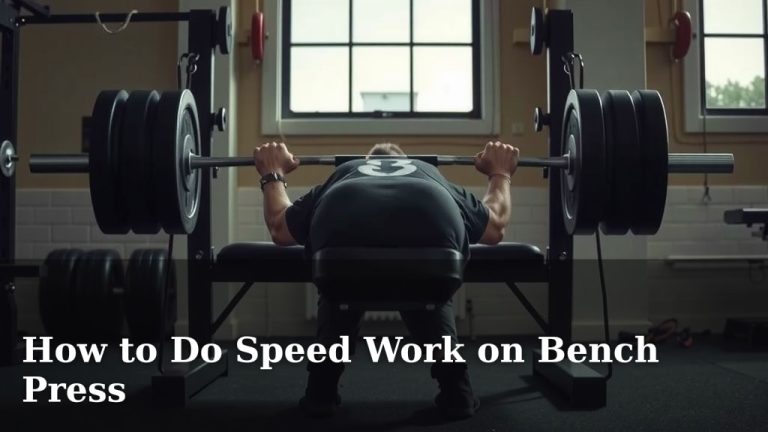
For the bench press, the setup is similar. You usually set up chains so they rest on the floor or on blocks. When the bar is at the bottom, close to your chest, you have less resistance from the chains. This can be a relief if your sticking point is off your chest.
As you push the bar up, more chain links come off the floor. The weight you’re pressing increases. By the time you’re near the top, locking out your elbows, the bar is at its maximum resistance. This is brilliant for building that final push and preventing you from getting stuck.
Benefits of Using Chains
So, why would you add chains to your routine? We found several key advantages that make them a smart training tool.
Building Lockout Strength
One of the biggest wins with chains is improved lockout strength. Many people struggle to fully extend their knees and hips in the squat. Or they can’t quite lock out their elbows on a heavy bench press. Chains target these weak points directly.
Because the weight gets heavier as you approach lockout, your muscles have to work harder at the end of the movement. This constant challenge helps them get stronger and more conditioned to finish the lift. Research suggests that exercises with variable resistance can enhance force production (National Strength and Conditioning Association).
Developing Explosive Power
Chains can also help you become more explosive. The idea is to train your body to generate force quickly. Starting with a lighter load and then accelerating against increasing resistance helps develop this explosive quality.
When the weight gets heavier, your body recruits more muscle fibers. This can translate to better power generation throughout the entire lift, not just at the end. It’s like training your muscles to hit a higher gear when they need it most.
Breaking Through Training Plateaus
Are you stuck at the same weight on the squat or bench? Plateaus happen to everyone. Chains offer a fresh stimulus to your muscles. They force them to adapt to a new type of stress.
By changing the resistance profile, chains can help overcome sticking points. They ensure you’re not just doing the same old movement. This can be the spark you need to get past a weight that’s been holding you back.
Setting Up Chains for Your Lifts
Getting the setup right is key to benefiting from chains. It’s not just about throwing them on the bar. You need to think about how many links will be on the floor.
Determining the Right Number of Chains
A common starting point is to have about 20-25% of your 1-rep max (1RM) on the floor when the bar is at its lowest point. This means about 20-25% of the total weight is from the chains themselves, not the plates on the bar. For example, if you’re squatting 200 lbs and using chains that weigh 50 lbs each, you might set them up so that 100 lbs of chain (two 50lb chains) is on the floor.
As you lift, the weight on the bar can increase by up to 50-75% of the total chain weight by the time you reach the top. This gives you a variable load that can range from lighter at the bottom to significantly heavier at the top. Many coaches recommend starting with lighter chains to get a feel for the tension.
Using Support and Safety
Always ensure your chains are securely attached to the bar. You don’t want them slipping off mid-lift. Many power racks have special attachments or pins for chains. Make sure the chains can move freely without getting tangled.
You’ll also want to use safety pins or spotters when you’re first learning. Chains can make the lift feel unstable at times. Safeties ensure you don’t get pinned if you fail a rep. This is just good practice for any heavy lifting, really.
Who Benefits Most from Chains?
Chains aren’t for every lifter or every goal. But they can be fantastic for certain individuals. We found that lifters looking to:
- Increase squat lockout power
- Boost bench press lockout strength
- Improve explosive speed off the bottom of a lift
- Break through strength plateaus
- Add variety to their training program
will likely see great results. They are often seen in powerlifting training, where lockout strength is critical.
Chains vs. Bands: A Quick Comparison
It’s common to compare chains to resistance bands. Both offer variable resistance, but they feel different. Bands become increasingly harder to stretch as they get longer. Chains get heavier as more links leave the floor.
We found that bands tend to offer more resistance at the top of the movement, similar to chains. However, the tension from bands can feel more “elastic” and constant throughout. Chains offer a more linear increase in weight as you lift them. Some lifters prefer the feel of one over the other.
A Quick Checklist for Using Chains
Ready to give chains a try? Keep these points in mind:
- Start with lighter chains to get used to the feel.
- Ensure chains are securely attached to your bar.
- Use safety pins or a spotter until you’re comfortable.
- Focus on controlled movements, especially during the eccentric (lowering) phase.
- Listen to your body; chains can be taxing.
- Consider your specific goals and sticking points.
Conclusion
You’ve learned how chains transform your squat and bench press by adding variable resistance. They make your lifts progressively harder, challenging you most at the top. This unique overload is fantastic for building serious lockout strength and explosive power. If you’re looking to bust through plateaus and add a new stimulus to your training, chains are a smart tool. Ready to feel the difference? Start experimenting with lighter chains on your next squat or bench day and focus on controlled movement.
Frequently Asked Questions
How many chains should I use to start?
A good starting point is to use chains that add about 20-25% of your 1-rep max to the bar when it’s at its lowest. This means the total weight from the chains on the floor should be around that percentage. Many coaches recommend starting with lighter chains to get a feel for the added tension and how it affects your lift.
Can chains really help with my bench press lockout?
Yes, chains are excellent for improving bench press lockout. Since the weight increases as you press the bar upwards, your triceps and shoulders are forced to work harder at the top of the movement. This constant challenge strengthens those muscles, helping you finish heavy presses more effectively.
What’s the difference between chains and resistance bands for training?
Both chains and bands provide variable resistance, but they feel different. Bands often feel more elastic and their tension increases as they stretch further. Chains get heavier as more links lift off the floor, providing a more linear increase in weight. Some lifters prefer the distinct feel of one over the other for their goals.
Are chains safe to use if I’m new to them?
When you’re first learning to use chains, safety is key. It’s wise to use safety pins in your power rack or have a reliable spotter. Chains can sometimes make the bar feel a bit unstable. Once you get comfortable with how the weight changes, you can use them with more confidence.
How do I know if chains are right for my training goals?
Chains are particularly beneficial if you struggle with lockout strength on squats or bench presses, want to increase explosive power, or are trying to break through a training plateau. If your main goal is simply to add overall weight, standard weight plates might be more straightforward. Consider what specific part of the lift you want to improve.