Workbench vs. Work Table: 5 Key Differences You Need to Know
If you’ve ever spent time in a workshop, garage, or maker space, you’ve probably wondered about the difference between a workbench and a work table. They might look similar at first glance, but these two pieces of furniture serve very different purposes. Think of it like comparing a chef’s knife to a butter knife—they’re both cutting tools, but you wouldn’t use them interchangeably. Let me walk you through the key distinctions that will help you choose the right one for your needs.
Understanding the Basics: What Sets Them Apart?
A workbench and a work table are often confused because they both provide a flat surface for working. However, they’re engineered differently, designed for different tasks, and built with different materials in mind. The real magic lies in understanding what each one does best and why professionals choose one over the other depending on their work.
The Definition of a Workbench
A workbench is a sturdy, heavy-duty work surface specifically designed for intensive labor. Imagine a fortress made of wood or metal—that’s essentially what a workbench is. It’s built to withstand hammering, sawing, drilling, and all manner of mechanical stress. Workbenches typically feature a solid construction with reinforced frames, often made from hardwood or heavy-gauge steel. They’re the workhorses of the workshop world, and they don’t compromise on durability or stability.
The Definition of a Work Table
A work table, on the other hand, is a lighter-duty surface designed for assembly, sorting, packing, or other tasks that don’t require intense mechanical force. Work tables are more versatile and often more portable than their workbench cousins. They’re like the Swiss Army knife of workshop furniture—adaptable, convenient, and practical for a variety of applications without being overly specialized.
Key Difference #1: Construction and Materials
This is where the real differences start to show. Let’s dig into what these surfaces are actually made of and why that matters.
Workbench Construction Materials
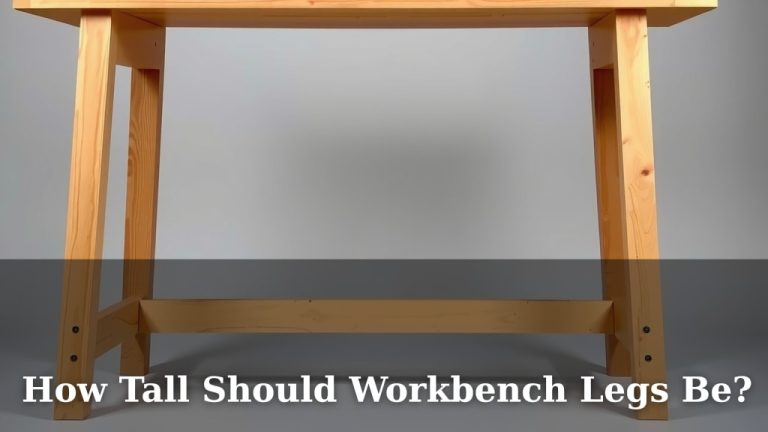
Workbenches are typically constructed from dense hardwoods like oak, maple, or birch, or from heavy-duty steel. The top surface is usually thick—we’re talking anywhere from 1.5 to 2 inches of solid material. Underneath, you’ll find a robust frame with diagonal bracing and reinforced joints. This isn’t just overkill; it’s necessity. When you’re striking metal with a hammer or applying downward force with a power drill, you need something that won’t flex, twist, or absorb that energy. The wood is often treated and finished to resist dents and damage.
Some workbenches feature what’s called a “tool well”—a recessed area around the edges where tools and materials can be kept from rolling off. The surface might also be slightly rough to prevent items from sliding around.
Work Table Construction Materials
Work tables tend to be lighter in construction. You’ll commonly see them made from materials like:
- Laminated particleboard or MDF (medium-density fiberboard)
- Powder-coated steel frames
- Aluminum for portable models
- Melamine surfaces for easy cleaning
The top surface is usually thinner—often around 0.75 to 1 inch. The frame is simpler, sometimes with just corner bracing rather than the extensive reinforcement you’d find on a workbench. This makes work tables lighter and often more affordable, but it also means they’re not designed for heavy impact work.
Key Difference #2: Weight Capacity and Durability
Here’s something that really separates these two: how much stress they can handle.
Workbench Load-Bearing Capability
A quality workbench can handle serious weight and impact. We’re talking about load capacities that often exceed 1,000 pounds when properly supported. Some industrial workbenches are rated for even more. But it’s not just about static weight—it’s about dynamic force. When you’re swinging a hammer or applying pressure with tools, a workbench absorbs that energy without deflecting. This rigidity is crucial because any flex in the work surface can throw off your precision work and even cause accidents.
Work Table Load-Bearing Capability
Work tables typically have load capacities ranging from 300 to 800 pounds, depending on the model. This is perfectly adequate for most light to medium tasks, but if you’re putting serious force into your work, a work table might start to show some flex. That flex isn’t necessarily dangerous for light work, but it can be frustrating and imprecise.
Long-Term Durability Comparison
A workbench is essentially an investment in a piece of furniture that could last several decades, even generations. With proper care, a solid wood workbench can become more valuable over time. Work tables, while perfectly functional, typically have a shorter lifespan—perhaps 5 to 15 years depending on usage and quality. The materials simply aren’t as resilient to constant stress.
Key Difference #3: Cost and Budget Considerations
Let’s talk about what these things actually cost, because money matters.
Workbench Pricing
A decent-quality workbench is a significant investment. You’re looking at anywhere from $300 for a basic model to several thousand dollars for premium, professional-grade benches. A solid hardwood workbench with a good reputation might run you $800 to $2,000 or more. Heavy-duty steel workbenches can be similarly priced or even more expensive. But here’s the thing: you’re not really buying furniture; you’re buying a tool that will serve you for decades. It’s an investment in your craft.
Work Table Pricing
Work tables are generally more budget-friendly. You can find decent options for $150 to $500, and premium models might run $800 to $1,200. This affordability makes work tables accessible for people just starting out or those who need multiple surfaces in a workspace. They’re also easier to replace if they get worn out.
Cost-Per-Year Analysis
If you amortize the cost over time, a workbench might actually be cheaper per year of use. A $1,500 workbench used for 30 years works out to $50 per year. A $500 work table that lasts 10 years works out to $50 per year as well, but if you have to replace it multiple times, the workbench starts looking like the better deal for serious woodworkers and craftspeople.
Key Difference #4: Intended Use Cases and Applications
This is probably the most important distinction. What are these surfaces actually meant for?
When You Need a Workbench
Choose a workbench if you’re doing any of the following:
- Woodworking and furniture making
- Metalworking and blacksmithing
- Tool maintenance and repair
- Precision machining or technical work
- Any task requiring heavy-duty clamping systems
- Professional workshop operations
- Projects where accuracy and stability are critical
When You Need a Work Table
A work table is your better choice for:
- Assembly and packaging operations
- Light electronics work or soldering
- Sorting, organizing, or inventory management
- Packing and shipping tasks
- Craft projects and hobby work
- Laboratory or medical settings
- Food preparation in commercial kitchens
- Temporary or mobile workspace needs
- Situations where multiple surfaces are needed
The Gray Area: When Either Might Work
There are definitely projects that fall into a middle ground. Light carpentry, DIY home repairs, or small electronics projects might be done on either surface. In these cases, consider your budget, space constraints, and whether you see yourself doing heavier work in the future. Sometimes starting with a work table and upgrading to a workbench makes sense as your skills and projects evolve.
Key Difference #5: Features and Accessories
Beyond the basic differences, these surfaces come with different bells and whistles.
Workbench Features and Additions
Quality workbenches often include or accommodate:
- Integrated vises (often a front vise and end vise)
- Tool storage drawers and shelves
- Built-in lighting
- Backsplash to prevent tools from falling
- Pegboard or tool hanging systems
- Electrical outlets for power tools
- Adjustable height options
- Swivel bases on some models
These features are built into the design or easily accommodated because the solid construction of a workbench can handle the added stress. Vises, for example, apply concentrated force to one area, and a workbench is designed to handle that kind of stress.
Work Table Features and Additions
Work tables typically feature:
- Shelves underneath for storage
- Casters or wheels for mobility
- Adjustable feet for leveling
- Optional electrical outlet strips
- Basic drawer units
- Backsplash options in some models
- Lightweight design for portability
Notice the emphasis on mobility and convenience rather than specialized tool accommodation. Work tables are designed to be moved around and adapted to different tasks, whereas workbenches are meant to stay put and provide a stable platform for serious work.
Space and Placement Considerations
Where you’re going to put these surfaces matters more than you might think.
Workbench Space Requirements
Workbenches are substantial pieces of furniture. A typical workbench might be 4 to 6 feet long and 24 to 30 inches deep. You’ll want to position it where you can access it from multiple sides and where the space can accommodate the work you’re doing. They’re not easily moved, so you need to plan where it will live in your workspace.
Work Table Space Flexibility
Work tables are smaller and lighter. Many are 3 to 5 feet long and 24 inches deep. Because they often have wheels, you can tuck them into a corner when not in use or roll them out when you need them. This flexibility makes them ideal for smaller spaces or shared workshops where different people need to use the same area.
Maintenance and Care Differences
These surfaces require different levels of upkeep.
Workbench Maintenance
A quality wooden workbench benefits from occasional care. You might periodically sand out dings, reapply finish if needed, and ensure that any metal components don’t rust. Metal workbenches might need rust prevention treatment. The good news is that regular use actually helps—the patina that develops on a well-used workbench is a badge of honor. The surface gets “lived in” over time.
Work Table Maintenance
Work tables are typically low-maintenance. A quick wipe-down with a damp cloth is usually all they need. Many have laminate or melamine tops that resist staining and are easy to clean. This makes them particularly popular in environments like kitchens or laboratories where cleanliness is important.
Making Your Decision: Which One Is Right for You?
So which should you choose? Here’s my honest take: it depends on what you’re actually going to do.
Choose a Workbench If:
You’re serious about your craft, your projects involve heavy-duty work, you plan to use it regularly for years to come, and you have the space and budget for it. A workbench is for people who are committing to their workshop and want a tool that will grow with them.
Choose a Work Table If:
You’re just starting out, you do lighter assembly or craft work, you need something portable, your space is limited, or you’re working with a tight budget. A work table serves you well without the overhead, and you can always upgrade later.
Consider a Hybrid Approach
Many professionals actually use both. A solid workbench for precision work and a mobile work table for assembly, sorting, or secondary tasks. This combination gives you flexibility while keeping your primary workspace dedicated to serious work.
Conclusion
The difference between a workbench and a work table comes down to durability, cost, intended use, and commitment. A workbench is a serious investment in a tool that will serve you for decades if you do heavy-duty, precision work. A work table is a practical, affordable solution for lighter work and situations where mobility matters. Neither is inherently “better”—it just depends on what you’re building, fixing, or creating. Think about your actual projects, be honest about how intensively you’ll use it, and choose accordingly. You might even find that you need both at different points in your workshop journey. The key is understanding what each one can do and making an informed choice that matches your real needs.
Frequently Asked Questions
Can I use a work table instead of a workbench for woodworking?
For very light woodworking projects like small boxes or simple repairs, a sturdy work table might work in a pinch. However, for anything involving significant sawing, planing, or the use of vises, you really should use a workbench. The flex in a work table can make precision work difficult and even dangerous. A workbench is specifically engineered to handle the forces involved in serious woodworking.
How much weight can a typical work table hold?
Most quality work tables are rated for 400 to 800 pounds of evenly distributed weight. However, this is different from impact force—if you’re hammering or applying concentrated stress, you shouldn’t load it to maximum capacity. Always check the manufacturer’s specifications for your specific model, as weight ratings can vary significantly.
Is a workbench worth the investment for a home hobbyist?
If you do woodworking, electronics, or mechanical work regularly as a hobby, absolutely. A workbench provides the stability and precision that makes these activities more enjoyable and safer. It doesn’t have to be the most expensive model—even a mid-range workbench will serve you well for many years. Think of it as an investment in your hobby, not just a piece of furniture.
Can a work table be upgraded with vises and other workbench accessories?
While you could theoretically bolt a vise onto a work table, it’s not recommended. The concentrated force from a vise will cause a work table to flex and potentially become unstable. Work tables simply aren’t engineered to handle that kind of stress. If you need vises and clamping capability, you need a workbench.
What’s the best material for a work surface if I need easy cleaning?
For easy cleaning, you want a melamine, stainless steel, or laminate top. These surfaces resist staining, don’t absorb spills, and can be wiped clean quickly. Work tables