Incline vs Decline Bench Press Muscles Worked: Complete Muscle Activation Map
Introduction: Why Bench Press Variations Matter More Than You Think
When you walk into any gym across the world, you’ll see people doing bench presses. It’s one of those iconic exercises that almost everyone knows. But here’s the thing—not all bench presses are created equal. The angle of the bench changes everything about which muscles get worked and how hard they work.
Think of it like approaching a hill from different directions. Whether you climb the steep side or the gradual side, you’re still going up, but your legs and lungs experience completely different demands. The same principle applies to bench pressing variations.
Understanding the differences between incline and decline bench pressing isn’t just interesting trivia for gym nerds. It’s practical knowledge that directly impacts your training results. Whether you’re trying to build a more impressive chest, strengthen your shoulders, or develop balanced muscle development, choosing the right variation matters significantly.
The Mechanics Behind Bench Press Angles
How Body Position Changes Muscle Recruitment
Your body is incredibly adaptive. When you change the angle of the bench, your nervous system immediately shifts which muscles take on the primary load and which play supporting roles. This isn’t magic—it’s biomechanics in action.
The angle of your torso relative to gravity determines the line of force your muscles must generate. A steeper angle means the load travels through your body differently. Your nervous system recognizes this and recruits muscle fibers accordingly. It’s why you might be strong on a flat bench but struggle with an incline, or vice versa.
The Incline Bench Press: A Deep Dive Into Muscle Activation
Primary Muscles Worked During Incline Press
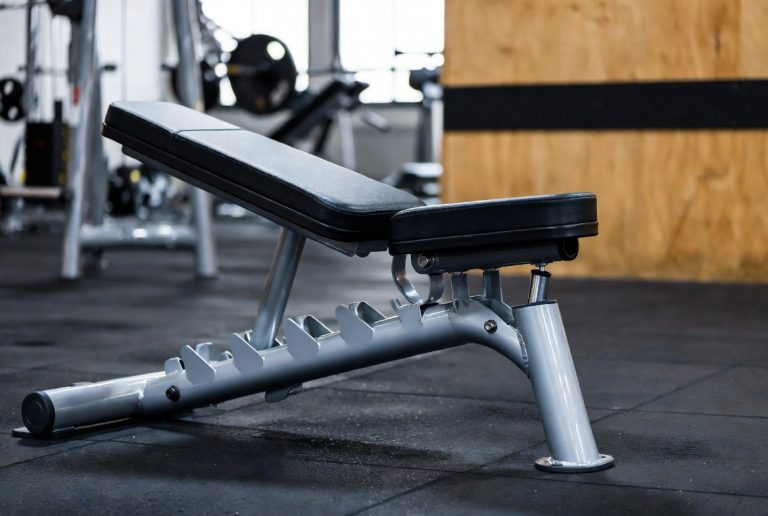
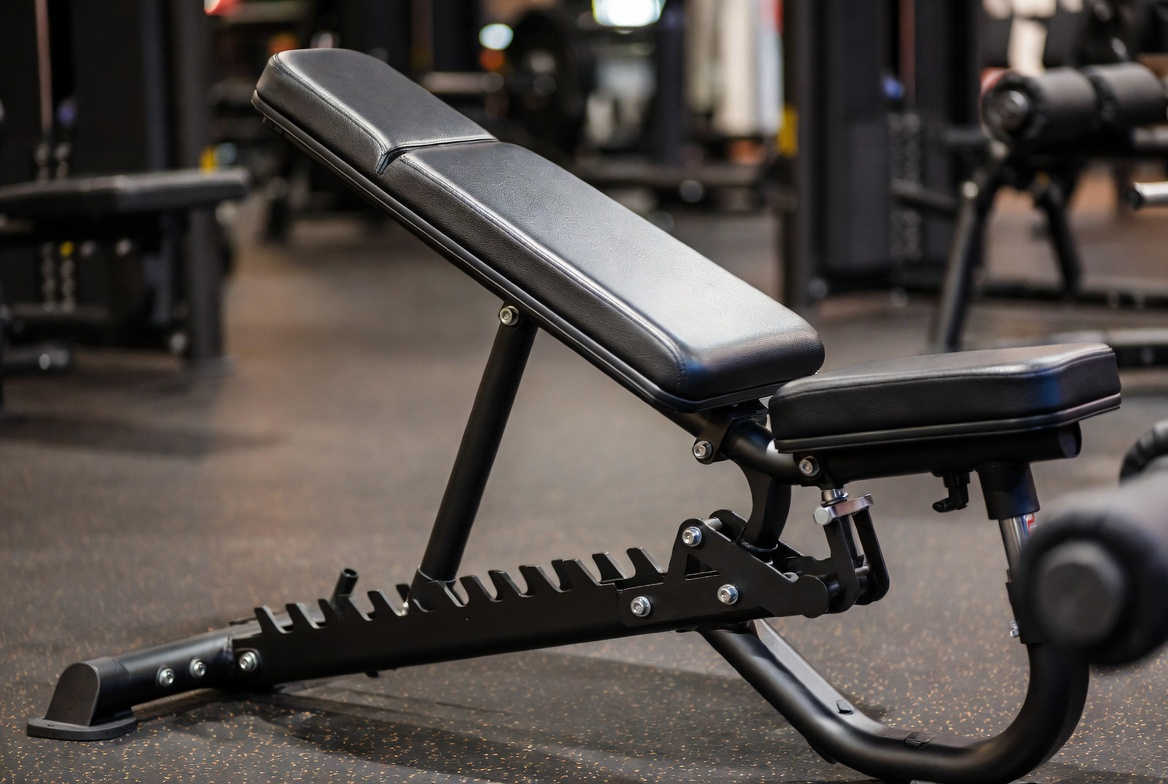
When you’re lying on an inclined bench, typically set between 30 to 45 degrees, you’re shifting the emphasis dramatically compared to flat bench pressing. The primary movers change, and this is crucial to understand.
Upper Chest Activation
This is the headline difference. Your upper chest—technically called the clavicular head of the pectoralis major—becomes the star of the show during incline pressing. The inclined position creates an angle where your upper chest fibers are stretched maximally at the bottom of the lift and work hardest throughout the entire movement.
Why? Because gravity is pulling the weight straight down, and your upper chest is now positioned to resist that downward force most effectively. It’s like the upper chest is now directly in the path of the resistance instead of being partially bypassed.
Anterior Shoulder Dominance
Your front deltoids—the anterior deltoid muscles—go from being secondary helpers to primary movers during incline work. This increased demand on your shoulders happens because the inclined position creates a steeper pressing angle. Your shoulders must work harder to drive the weight upward against gravity in this position.
People often notice their shoulders fatigue faster on incline work compared to flat bench. This isn’t coincidence. The biomechanics literally demand more from your anterior deltoids.
Triceps Engagement
Your triceps still work hard during incline pressing, though perhaps not as intensely as during close-grip flat bench variations. They remain crucial for lockout and pressing power, but they’re sharing the load with your upper chest and shoulders more equally than during flat pressing.
Secondary Muscles During Incline Bench Press
Beyond the primary movers, several other muscles contribute to the incline press movement:
- Stabilizer muscles in your rotator cuff work overtime to maintain shoulder integrity
- Your serratus anterior helps stabilize your scapula throughout the movement
- Core muscles engage to maintain torso stability against the inclined position
- Your back muscles, particularly the upper back, work to anchor your shoulder blades
Why Athletes Choose Incline Bench Press
Serious lifters incorporate incline work because building a bigger upper chest and stronger shoulders creates a complete physique. Many men specifically want that upper chest prominence that comes from dedicated incline work. Athletes also value the shoulder strengthening that comes naturally from incline training.
The Decline Bench Press: Complete Muscle Analysis
Primary Muscles Worked During Decline Press
Now, let’s flip the script. When you lower the bench to a decline position—typically 15 to 30 degrees downward—the muscle recruitment pattern shifts considerably in the opposite direction.
Lower Chest Emphasis
Your lower chest—the sternal head of the pectoralis major—becomes the primary focus during decline pressing. This portion of your chest is positioned to handle the weight most efficiently when you’re reclined backward. The angle of your body means your lower chest fibers are stretched optimally and work hardest throughout the pressing motion.
If you want that full, rounded chest that looks impressive from every angle, decline work is essential. Upper and flat work might develop upper chest width, but decline work fills in that lower area.
Reduced Shoulder Demand
Here’s something many people don’t realize: decline pressing actually reduces the anterior deltoid workload compared to flat bench pressing. This happens because the angle of the movement decreases how much your shoulders must contribute to the pressing motion.
For people with shoulder issues or those wanting to emphasize chest over shoulders, this becomes a significant advantage. You can train chest hard without placing excessive stress on your shoulder joints.
Powerful Triceps Activation
Your triceps work very hard during decline pressing, often harder than during incline work. The position and mechanics of decline pressing favor triceps engagement. For people wanting to build bigger, stronger triceps, decline pressing offers excellent stimulus.
Secondary Muscles During Decline Bench Press
The supporting cast of muscles also changes during decline work:
- Your core muscles stabilize your body against the reclined position
- Your lower back engages more than during incline work due to the decline angle
- Grip strength demands increase as you stabilize yourself on the decline bench
- Your lats provide additional stability and assist with the pressing motion
Why Decline Work Has Fallen Out of Favor
Interestingly, decline bench pressing isn’t as popular as it once was. This partly comes from the rise of functional fitness and partly from legitimate concerns. The position feels awkward for many people, and it’s harder on the lower back. Additionally, if upper chest development is what dominates modern aesthetic preferences, decline work becomes less appealing to casual lifters.
However, serious bodybuilders and strength athletes still incorporate decline work because they understand its unique muscle-building benefits.
Direct Comparison: Incline vs Decline Side by Side
Chest Muscle Emphasis
This is the most obvious difference. Incline work targets your upper chest while decline work emphasizes your lower chest. If you want complete chest development, you genuinely need both. Training only one variation leaves gaps in your muscle development.
Shoulder Involvement
Incline pressing places significant demands on your anterior deltoids, while decline pressing reduces shoulder involvement. If you’re looking for shoulder development alongside chest work, incline pressing is superior. If you want pure chest isolation with minimal shoulder stress, decline pressing wins.
Triceps Activation
While both variations work your triceps, decline pressing typically produces greater triceps activation. The mechanics of the movement favor triceps involvement more heavily in the decline position.
Joint Stress Considerations
Incline pressing places more stress on your shoulders but less on your lower back. Decline pressing reduces shoulder strain but increases lower back demand. For someone with shoulder issues, decline might be preferable. For someone with lower back problems, incline becomes the better choice.
Strength Transfer and Specificity
Incline pressing strength transfers better to overhead pressing movements and athletic throwing motions. Decline pressing strength, while still useful, transfers more to movements like dips and close-grip pressing.
How to Choose the Right Variation for Your Goals
For Aesthetic Chest Development
If your primary goal is building an impressive-looking chest, you need both. However, if you must choose one, incline pressing builds that upper chest prominence that most people find visually impressive. The upper chest fullness often defines whether a physique looks complete.
That said, complete neglect of decline work leaves your lower chest underdeveloped, which creates an imbalanced appearance.
For Strength Gains
Flat bench pressing should remain your primary strength-building movement, with incline work supporting it. The positioning and mechanics of incline pressing allow for slightly greater force production in some instances, but flat bench typically remains superior for raw strength development.
For Shoulder Health
If you have shoulder issues, decline pressing might be your safest option. It reduces shoulder joint stress while still allowing chest development. Pair it with external rotation work and rotator cuff exercises for optimal shoulder health.
For Athletes
Athletes typically benefit more from incline work because the shoulder engagement and upper chest development translates to athletic movements more effectively. The increased anterior deltoid work helps with pressing, throwing, and pushing movements in sport.
Programming Strategies: Making Both Work for You
The Push Day Template
A smart approach involves including both variations in your training week. A simple template might look like this:
- Day One: Flat bench press as primary movement, followed by incline work
- Day Two: Incline work as primary movement, followed by decline work
This allows you to prioritize each variation periodically while building overall chest development.
Periodization Approach
You might also cycle your focus. Spend 4 weeks emphasizing incline work with higher volume, then switch and emphasize decline work for the next 4 weeks. This prevents adaptation while ensuring each variation receives adequate attention.
Balancing Your Chest Development
A practical guideline is spending roughly 40% of your chest training volume on flat bench, 35% on incline work, and 25% on decline work. This distribution builds balanced chest development while acknowledging that flat bench is typically most effective for overall strength and size.
Common Mistakes People Make With These Variations
Mistake One: Neglecting One Variation Entirely
The biggest error is completely ignoring one variation. Some lifters do only incline work, believing it’s superior. Others stick exclusively to flat bench. Complete chest development requires variation.
Mistake Two: Using Too Much Weight
Incline and decline pressing require more control than flat bench pressing. Using weight that’s too heavy compromises form and reduces muscle activation. It’s better to use slightly less weight with perfect execution.
Mistake Three: Poor Bench Setup
Many people don’t set up their bench properly. Your back should remain firmly against the bench throughout the movement. Your feet should be planted, giving you a stable base. Sloppy setup reduces force output and increases injury risk.
Mistake Four: Ignoring the Stretch
The bottom position of each variation is where the muscle stretch is greatest. Rushing through this portion reduces muscle activation and growth stimulus. Control the eccentric (lowering) portion to maximize benefit.
Mistake Five: Neglecting Shoulder Stability
Especially during incline work, many people fail to maintain proper shoulder position. Your shoulders should remain packed throughout the movement. This prevents injury and optimizes force transfer.
Practical Tips for Maximizing Muscle Activation
Mind-Muscle Connection
During incline work, deliberately focus on feeling your upper chest work. Mentally track the sensations in your upper pecs throughout the movement. This conscious attention to muscle activation actually increases force output and growth stimulus.
Tempo Recommendations
Try using a 3-second eccentric, brief pause at the bottom, and 1-second concentric for both variations. This tempo ensures adequate time under tension while maintaining good control.
Range of Motion
Move through a complete range of motion. Partial reps feel stronger but produce less muscle growth. Lower the weight until your upper arms are roughly parallel to the floor, then press back up.
Grip Width
For maximum chest activation, use a grip slightly wider than shoulder width. Too wide and your shoulders take over. Too narrow and your triceps dominate. The sweet spot is about 1.5 times shoulder width.
Bench Angle Precision
Make sure your bench is actually set to the angle you think it is. A bench that’s supposed to be inclined but isn’t will produce different results. Some benches have imprecise adjustments, so double-check.
The Science Behind Muscle Fiber Activation
How Angles Change Fiber Recruitment
Your chest contains muscle fibers running in different directions. Upper fibers run at an angle toward your shoulder, while lower fibers run more horizontally. The angle of the bench determines which fibers are optimally positioned to handle the load.
During incline pressing, upper chest fibers align better with the direction of force, so they recruit more heavily. The opposite occurs during decline pressing, where lower fibers are optimally positioned.
Motor Unit Recruitment
Motor units are groups of muscle fibers controlled by a single nerve. Different variations recruit motor units in different sequences. This variation in recruitment patterns is why different exercises produce different adaptations.
Real-World Performance Examples
The Bodybuilder Approach
Most competitive bodybuilders use all three variations. They understand that complete muscle development requires addressing the chest from multiple angles. They typically spend the most volume on incline work because upper chest development is visually impressive.
The Strength Athlete Approach
Powerlifters focus primarily on flat bench pressing since that’s what’s competed in their sport. They use incline and decline work as supplemental exercises to address weak points and prevent injury.
The Functional Fitness Approach
Many functional fitness athletes minimize bench press variations altogether, preferring pushing movements that feel more functional. When they do bench press, they typically stick with flat bench and minimal variation.