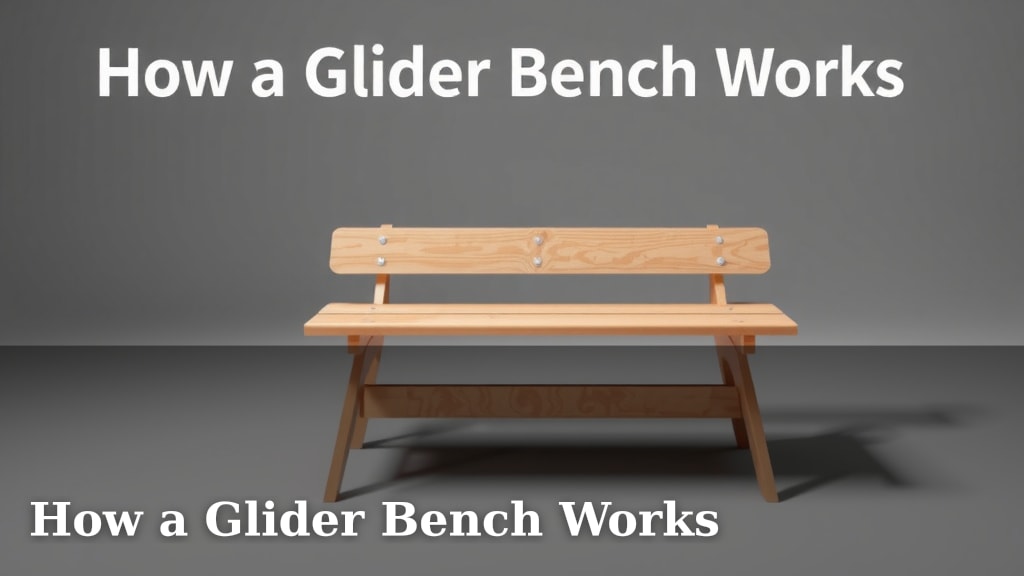
How a Glider Bench Works
A glider bench works by using a rocking mechanism built into its base. This mechanism allows the entire bench to gently rock back and forth on a fixed point. Think of it like a gentle swing, but the motion is controlled by your own movements. It’s designed for a smooth, relaxing motion without needing a lot of space.
Unlike a traditional bench that stays put, a glider bench offers a sense of gentle movement. This motion is created by connecting the bench seat to a base with curved runners or a pivot system. Many designs also incorporate a slight recline for added comfort, making them a popular choice for porches and gardens.
- Glider benches use a rocking base.
- This allows for gentle back-and-forth movement.
- A pivot or curved runner system creates the motion.
- They are designed for relaxation and comfort.
Ready to learn more? Let’s walk through exactly how this charming piece of furniture brings that soothing sway to your outdoor space.
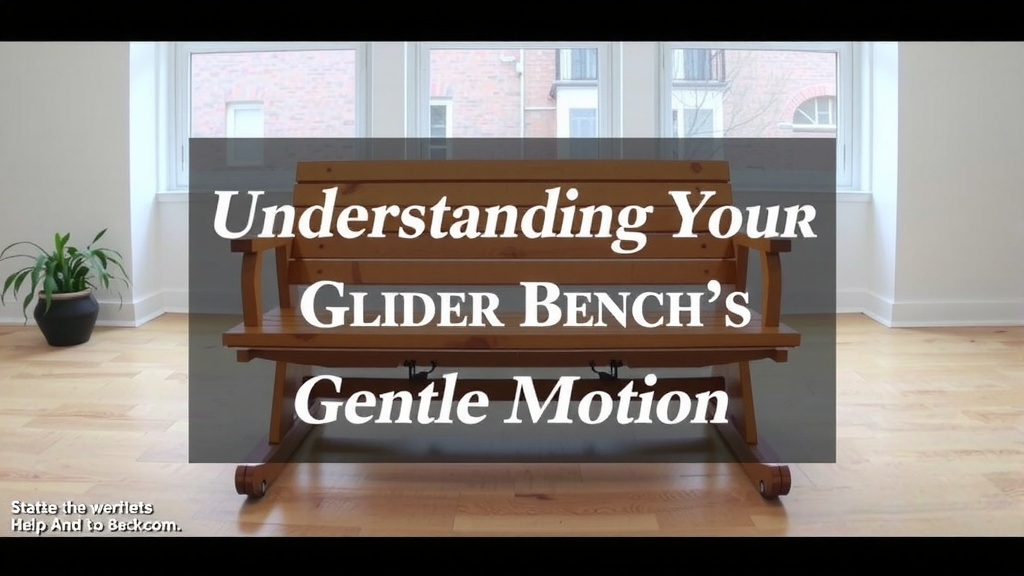
“`htmlUnderstanding Your Glider Bench’s Gentle Motion
You might be wondering, “How does this bench actually glide?” It’s all about clever engineering. A glider bench isn’t just a stationary seat. It’s designed to give you a soothing, rhythmic sway. This gentle rocking motion provides a relaxing experience. It’s perfect for enjoying your porch or garden.
The magic lies in its base mechanism. This system connects the bench to the ground. It allows for controlled back-and-forth movement. Unlike a porch swing that hangs freely, a glider bench stays grounded. This makes it a safer and more stable option for many people.
The Core Components of a Glider Bench
At its heart, a glider bench relies on a few key parts. These work together to create that signature smooth glide. You’ll typically find a seat, backrest, armrests, and the all-important base mechanism. The design focuses on comfort and stability.
The Seat and Backrest: Comfort First
The seat and backrest are designed for your relaxation. They often have a slight curve. This ergonomic shape fits your body naturally. Many benches also offer a gentle recline. This encourages you to lean back and unwind. The materials used can vary, from durable wood to weather-resistant metal or plastic.
Armrests: Support and Style
Armrests provide comfort and stability. They give you a place to rest your arms. They also help you get up and down from the bench more easily. Some armrests are wide and flat, perfect for placing a drink. Others are more slender and streamlined.
The Gliding Mechanism: How the Magic Happens
This is where the real innovation is. The gliding mechanism is the engine of your bench. It’s what allows for that comforting sway. There are a few common types of mechanisms you’ll see.
Curved Runners (Arc Gliders)
Many popular glider benches use curved runners. Think of these as gently arced metal or wooden pieces. They are attached to the bottom of the bench’s legs or frame. The bench rests on a stationary base or directly on the ground. As you shift your weight or gently push off, the bench slides along these curves. This creates the rocking motion. Research shows that curved surfaces allow for smooth, low-friction movement.
Pivot or Hinge Systems
Some gliders use a pivot or hinge system. This is a bit different from the curved runners. In this design, the bench seat is often connected to the base via arms. These arms pivot from a central point. This allows the bench to rock forward and backward. It’s a bit like a see-saw, but with a much gentler range of motion. This system can offer a very controlled and steady glide.
Internal Rocking Mechanism
You might also find gliders with an internal mechanism. This often involves a series of springs, arms, or brackets hidden within the base. These components work together to create the rocking action. This type of mechanism can provide a very fluid and quiet glide. It’s often found in more premium models.
Why Glider Benches Are So Soothing
The gentle motion of a glider bench is more than just comfortable. It can have a calming effect. The rhythmic rocking can help reduce stress. Many people find it promotes relaxation. It’s like a gentle hug from your furniture!
The Psychology of Gentle Movement
Movement can be very therapeutic. Studies have suggested that gentle rocking can activate certain parts of your brain. This can lead to feelings of calm and well-being. It’s why rocking chairs have been popular for generations. Glider benches bring this same benefit to a larger seating format. Experts often point to this as a reason for their popularity in spaces designed for relaxation (NCBI).
Creating Your Own Relaxing Retreat
Adding a glider bench to your outdoor space can transform it. You can create a cozy nook for reading. It’s a wonderful spot for a morning cup of coffee. Or simply a place to watch the world go by. The gentle sway makes any moment feel more peaceful.
Comparing Gliders to Other Outdoor Seating
It’s helpful to see how glider benches stand out. They offer a unique experience compared to other outdoor furniture options.
Here’s a quick look:
| Type of Seating | Movement Style | Typical Use | Space Needed |
|---|---|---|---|
| Glider Bench | Gentle, controlled rocking on a fixed base | Relaxation, conversation, porch sitting | Moderate (rocks forward/backward) |
| Porch Swing | Hanging pendulum motion | Relaxation, enjoying a breeze | Requires overhead support, more free movement |
| Adirondack Chair | Stationary | Lounging, enjoying views | Minimal |
| Standard Bench | Stationary | Seating for multiple people, dining (if part of set) | Minimal |
Choosing the Right Glider for You
When selecting a glider, consider a few things. Think about the space you have available. Measure the area where you plan to put it. Ensure there’s enough room for the bench to glide forward and back without obstruction. Also, consider the style and material.
Here’s a simple checklist to help you decide:
- Measure your available space carefully.
- Consider the weight capacity needed.
- Think about weather resistance for your climate.
- Check the ease of assembly.
- Read reviews for glide smoothness and durability.
- Choose a style that matches your outdoor decor.
Understanding how your glider bench works can help you appreciate its design. It’s a piece of furniture made for comfort and tranquility. You’re not just buying a seat; you’re investing in a little slice of relaxation for your home.
“`
Conclusion
You now understand the simple yet ingenious design behind your glider bench. Its rocking mechanism, whether using curved runners or a pivot system, creates that signature soothing motion. This furniture isn’t just for sitting; it’s crafted to offer a peaceful escape. By understanding its mechanics, you can better appreciate the comfort it brings to your porch or garden. Now, take that knowledge and find the perfect glider that fits your style and space, inviting tranquility into your daily life.
Frequently Asked Questions
How much space does a glider bench need to operate?
You’ll need to account for the bench’s gliding motion. Research suggests planning for at least 12-18 inches of clearance in front and behind the bench. This allows it to rock back and forth safely without hitting anything. Always measure your available space before purchasing.
Can glider benches be used indoors?
While designed for outdoor use, many glider benches can work indoors. If you have a sunroom or a large living area, a glider can add a unique touch. Just ensure the flooring is protected, as the runners could potentially scratch delicate surfaces.
Are glider benches safe for children?
Glider benches are generally safe due to their controlled motion. Unlike free-swinging porch swings, their movement is limited. However, always supervise young children when they are using the bench. Ensure they understand not to stand on the seat.
How do I clean and maintain my glider bench?
Cleaning depends on the material. For wooden gliders, a gentle soap and water solution works well. Metal or plastic gliders can usually be wiped down with a damp cloth. Periodically check the gliding mechanism for any debris and lubricate if necessary according to the manufacturer’s instructions.
What is the difference between a glider bench and a rocking bench?
While often used interchangeably, there’s a subtle difference. A glider bench typically rocks on a track or pivot system, offering a smoother, more controlled back-and-forth motion. A traditional rocking bench usually has curved legs that rest directly on the ground, providing a more pronounced rocking arc.