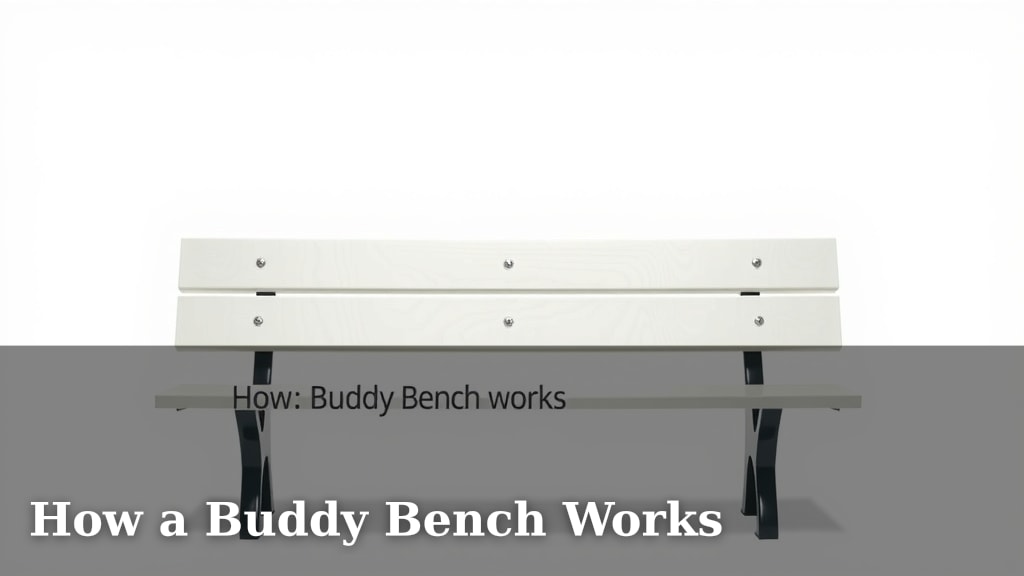
How a Buddy Bench Works
A Buddy Bench works by creating a designated safe space for kids on the playground who feel lonely or left out. When a child sits on the Buddy Bench, it’s a signal to others that they’re looking for a friend to play with. Other students are then encouraged to invite them into their game or start a new one with them. It’s a simple, yet effective way to combat playground loneliness.
This buddy system has been adopted by many schools across the country as a way to promote inclusion and kindness among students. It helps children learn empathy and social skills in a natural, low-pressure environment. The bench itself becomes a visual cue, reminding everyone to be mindful of their peers and to extend a helping hand—or in this case, an invitation to play.
- A Buddy Bench is a special seat on the playground.
- It’s for kids who want to find someone to play with.
- Other kids see someone on the bench and invite them to join.
- It helps make sure no one feels left out.
- It teaches kids about kindness and inclusion.
We found that understanding how this simple concept works can really make a difference for students. Let’s dive into the details of how your school can implement a Buddy Bench and the positive impact it can have.
“`htmlUnderstanding How a Buddy Bench Functions
A Buddy Bench is a simple yet powerful tool for schools. It aims to make playgrounds more inclusive. You might be wondering exactly how this bench works its magic.
The Core Concept: A Visible Signal
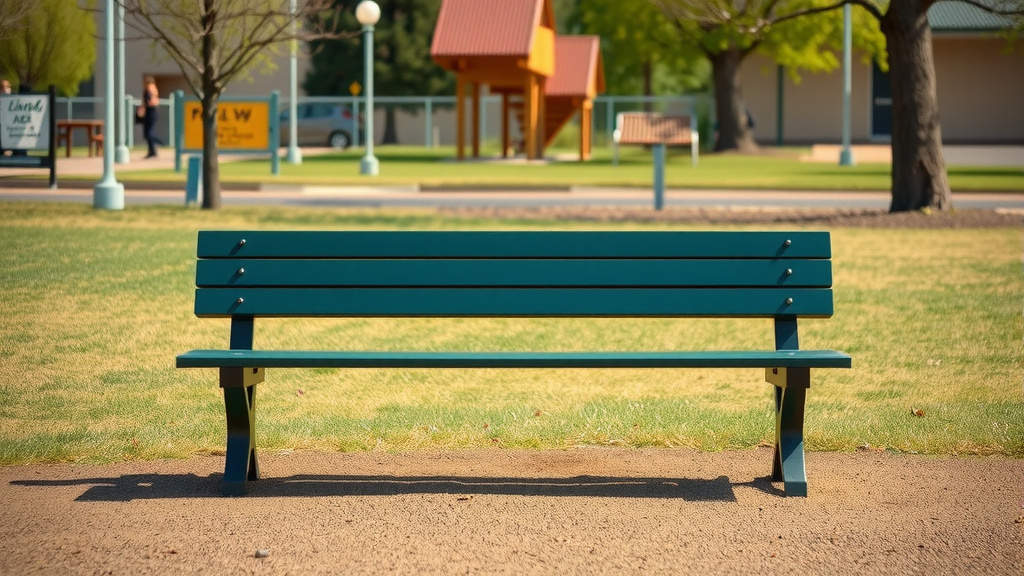
At its heart, a Buddy Bench is a designated seating area. It’s typically placed in a visible spot on the playground. Think of it like a beacon for friendship. When a child feels lonely or doesn’t have anyone to play with, they can choose to sit on the bench. This action sends a clear message to their peers.
What Sitting on the Bench Means
Sitting on the Buddy Bench isn’t about being sad or isolated. It’s a proactive step to find connection. It communicates, “I’d like to join a game or make a new friend.” It removes the guesswork for kids who might be shy about approaching others. They don’t have to worry about rejection as much.
The Response: Invitation and Inclusion
When other students see someone on the Buddy Bench, they understand the signal. They are encouraged to extend an invitation. This could mean asking the child to join their current game. It might also mean starting a new game with them. The key is to welcome the child into the group.
The Role of School Staff and Students
The success of a Buddy Bench relies on the entire school community. Teachers, playground supervisors, and students all play a part. It’s important that everyone understands the bench’s purpose. Clear communication about its function is essential for effective implementation.
Educating Students About the Bench
Schools often introduce the Buddy Bench through assemblies or classroom discussions. They explain that it’s a kindness initiative. Students learn that sitting on the bench is a request for friendship, not a sign of distress. They’re taught to be observant and compassionate towards those who might be sitting there.
Staff Supervision and Reinforcement
Adults on the playground can gently guide the process. If a child sits on the bench and no one invites them, a supervisor might step in. They can help facilitate an interaction. This isn’t about forcing friendships. It’s about ensuring every child feels seen and has an opportunity to connect.
Benefits Beyond Just Playtime
The Buddy Bench offers more than just a solution for immediate loneliness. It helps children develop important social and emotional skills. These are skills that can benefit them throughout their lives.
Developing Empathy and Social Awareness
When children see a peer on the Buddy Bench, they are prompted to think about that person’s feelings. This helps them develop empathy. They learn to recognize when someone might need a friend. They also practice initiating social interactions, which can be difficult for some.
Fostering a Culture of Kindness and Inclusion
Regular use of a Buddy Bench contributes to a positive school climate. It reinforces the message that everyone belongs. It encourages students to look out for one another. This creates a more supportive and welcoming environment for all.
Implementing Your Own Buddy Bench Program
Getting a Buddy Bench at your school is often a straightforward process. It usually involves a few key steps to ensure it’s successful. Here’s a simple checklist to guide you:
- Choose the Right Location: Pick a spot that is highly visible and easily accessible to all students.
- Decorate and Personalize: Make the bench inviting! Students can help paint or decorate it.
- Educate the School: Hold assemblies or classroom sessions to explain how the bench works.
- Encourage Participation: Remind students regularly to look out for peers on the bench.
- Monitor and Adjust: Observe how the bench is used and make adjustments as needed.
- Celebrate Success: Acknowledge the positive impact the bench is having on the school community.
| Situation | What Happens? | Learning Outcome |
|---|---|---|
| Child sits on the bench. | Another child invites them to play. | Child finds a friend; other child practices kindness. |
| Child sits on the bench. | A group starts a new game with them. | Inclusion is practiced; child feels accepted. |
| Child sits on the bench. | No one immediately invites them. | A teacher or supervisor gently facilitates an interaction. |
Research indicates that structured social interventions can have a positive impact on children’s well-being (National Association of School Psychologists). The Buddy Bench is a wonderful example of such an intervention. It’s a straightforward method for building a more connected and caring school.
“`
Conclusion
You’ve learned that a Buddy Bench is more than just a piece of playground furniture. It’s a simple yet powerful symbol of kindness and inclusion. By creating a visible signal for connection, it helps children navigate playground dynamics. It encourages empathy and teaches valuable social skills. Implementing a Buddy Bench can transform your school’s social environment. Consider talking to your school administration or PTA about bringing this wonderful program to your playground.
Frequently Asked Questions
How do you teach kids about the Buddy Bench?
Schools typically introduce the Buddy Bench through assemblies or classroom lessons. You’ll explain its purpose as a kindness initiative. Students learn it’s a way to ask for a friend. They are also taught to look out for peers using the bench.
What if no one invites a child from the bench?
The success relies on community awareness. Playground supervisors or teachers can gently help. They might facilitate an interaction or suggest a game. This ensures no child feels overlooked. It’s about creating opportunities for connection.
Can any playground have a Buddy Bench?
Absolutely! A Buddy Bench can be implemented on any playground. The most important elements are clear communication and consistent reinforcement. You don’t need a large budget; a simple bench can make a big difference.
What are the long-term benefits of a Buddy Bench?
Beyond immediate friendships, Buddy Benches help build empathy. Children learn to be more aware of others’ feelings. This fosters a school-wide culture of kindness. These social skills benefit children throughout their lives.
How can students help maintain the Buddy Bench?
Students can be involved in decorating or personalizing the bench. They can also help remind each other about its purpose. Encouraging student ownership makes the program even more successful. It shows they are invested in creating an inclusive space.